
Livraison le jour même ou le lendemain

Qualité garantie

Débloquez vos offres de bienvenue: Livraison GRATUITE | Jusqu'à -80 % | 30 jours d'essai gratuits à JoyPlus
Téléchargez l'application
The sports and wellness nutrition market is booming, with an avalanche of products making incredible claims about your performance and health. Navigating this jungle can feel like an uphill battle. Between the flashy packaging and marketing jargon, it's easy to fall into expensive traps for... disappointing results.
To help you make the right choice, here are the most common pitfalls to avoid:
To help you sort through the options, here are the essential criteria to scrutinise before pulling out your credit card.
Relying on a few objective points allows you to effectively filter the offerings and find the product that truly meets your needs.
Your first instinct: turn over the package and decode the label. For protein bars and healthy snacks, pay close attention to these points:
Your needs vary depending on your activities and ambitions. It is therefore crucial to choose a suitable product.
The best format is the one that fits your lifestyle.
To illustrate these criteria, here are a few products that stand out from the crowd, each suited to a specific profile.
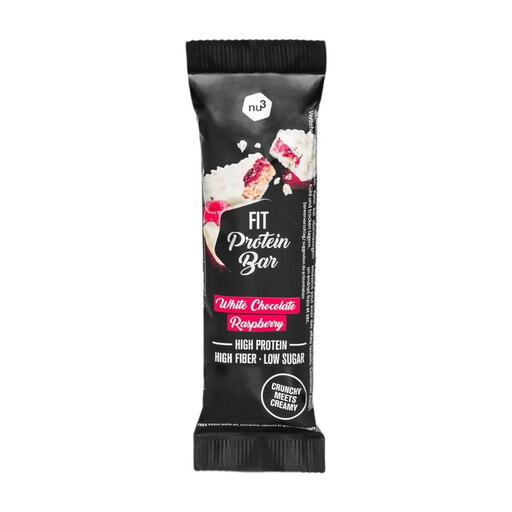
Why it's a great fit: Ideal after a workout, this bar is easy to carry and consume. Its nutritional profile is tailored for muscle recovery without sacrificing taste.
This bar avoids the "fake healthy snack" trap by boasting a very low sugar content (2.5g per bar) for a high protein intake.
32% protein (17.6g per bar) and 90% less sugar than a conventional chocolate bar.
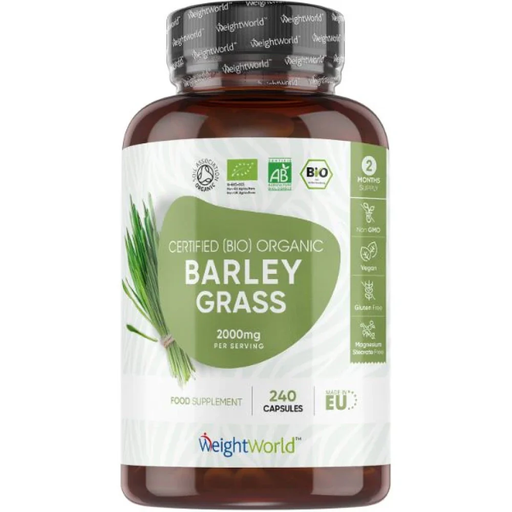
Why it's a great fit: For those who want to enrich their diet with a simple, natural supplement. The capsule format is ultra-practical: it guarantees a precise dosage without the sometimes peculiar taste of green powders.
It avoids the "miracle ingredient" trap by focusing on a single, well-known ingredient, barley grass, with an organic certification (SOIL Association) that guarantees a formula free from pesticides and chemical additives.
A pure, certified organic formula, free from GMOs, gluten, and artificial additives. Enough for a 2-month supply.
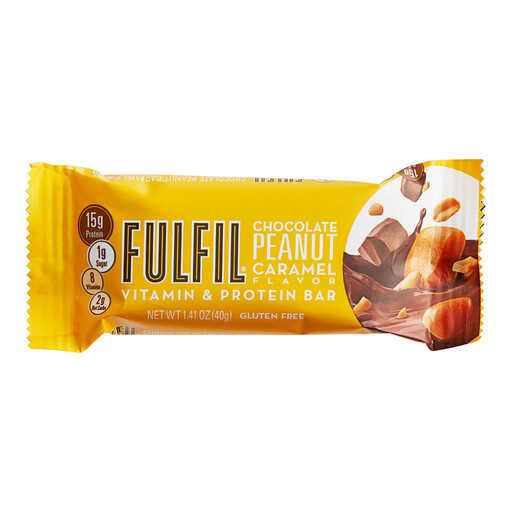
Why it's a great fit: Perfect for those who closely monitor their sugar and carb intake, this bar has an excellent protein-to-sugar ratio. Enriched with vitamins, it's much more than just a protein snack.
With only 1 gram of sugar per bar, it tackles the problem of overly sweet protein snacks head-on. The transparency on net carbs and polyols allows for making an informed decision.
A boost of 15g of protein with only 1g of sugar, all enriched with 9 essential vitamins.
We've curated a complete, up-to-date selection of products that meet our selection criteria and current regulations.
It's all about composition and purpose. Protein bars are, as the name suggests, high in protein and designed for post-workout muscle recovery. Energy bars, on the other hand, are richer in carbohydrates and aim to provide energy and vitality before or during physical activity.
It all depends on your habits. Powders are versatile and can be easily incorporated into various preparations (smoothies, yoghurts), making them perfect for use at home. Capsules, meanwhile, are tasteless, easy to dose, and portable. This makes them more convenient for daily, on-the-go use.
Superfoods in powder form are very easy to use. Start by adding a teaspoon to your morning smoothie, fruit juice, yoghurt, or oatmeal. Some can even be consumed directly, like a healthy snack that aids digestion. The key is to choose a format that fits naturally into your routine.