
Livraison le jour même ou le lendemain

Qualité garantie

Débloquez vos offres de bienvenue: Livraison GRATUITE | Jusqu'à -80 % | 30 jours d'essai gratuits à JoyPlus
Téléchargez l'application
A sports knee support can come in many forms: compression sleeve, patellar strap, knee pad or heated massage device. But these products don't all serve the same purpose. A knee support designed for running won't replace protection made for rollerblading, while a heated massager has no place during a workout.
So before you place an order, it's worth looking beyond the marketing claims and checking three essential factors: size, level of support and intended use.
A compression knee sleeve made from stretchy fabric moves with you and gives a feeling of support. However, it doesn't necessarily include a hard shell capable of absorbing impact if you fall. For rollerblading, scootering or skateboarding, a set that includes both knee and elbow pads will be far more suitable.
A strap that's too loose can slip during a running or fitness session. On the other hand, fabric that's too tight can quickly become uncomfortable and restrict your movement. Adjustable straps, anti-slip zones and ergonomic knitting are real advantages, but they don't replace checking the size guide.
A heated knee massager is designed for use at rest, not to accompany a run or a basketball match. Heat and vibration can improve comfort after exercise, but they are no substitute for mechanical protection. If you have persistent pain, an injury or are in rehabilitation, seek advice from a healthcare professional before using it.
For prolonged activity, choose materials that wick away moisture, such as nylon and elastane blends combined with mesh panels. A three-dimensional knit can mould to the shape of your knee, while reinforced stitching around the kneecap is useful if the joint is frequently under strain.
However, a pad that's too thick can become awkward under trousers or in hot weather. For a hiking knee support, you need to find the right balance between support, weight and ventilation.
For children doing wheeled sports, choose equipment based on their age, weight and the head or knee circumference stated. The sets shown below mention the EN1078:2012+A1:2012 helmet standard and the NF EN14120:2003+A1:2007 protection standard, as well as the level and usage range specified by the manufacturer.
These references don't guarantee the product is suitable for all activities. Also follow the instructions: adult supervision, replacement after a major impact, adjustment before each use, and never using the helmet for climbing or in situations where there's a risk of getting trapped.
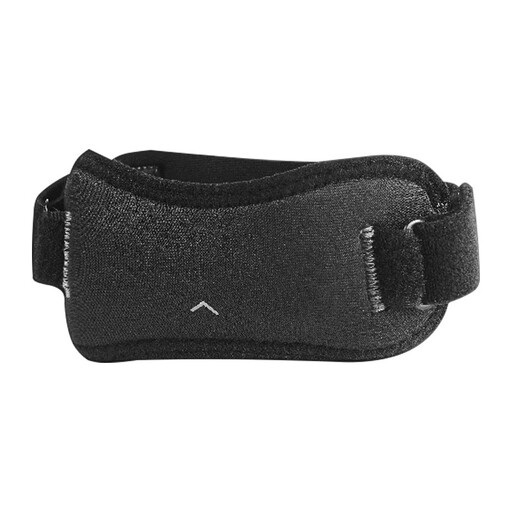
Why this choice suits this profile: This pack of two straps offers a good starting point for patellar support during hiking, running, skipping rope or shorter sessions.
Its strap design means you don't pay for a thick sleeve when you only need targeted support, without a shell for impact absorption.
A two-piece pack with a strap design that lets you adjust the support depending on the activity.
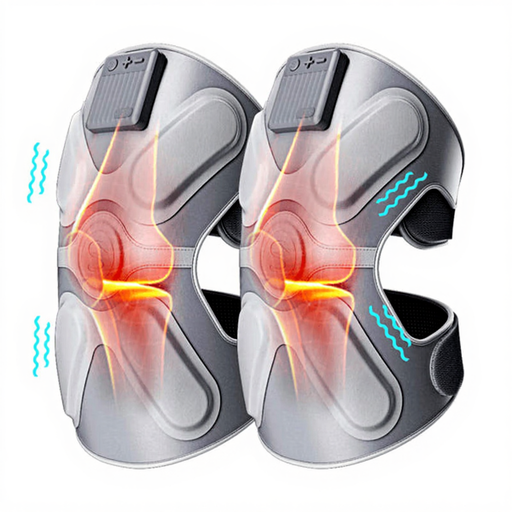
Why this choice suits this profile: Cordless, this model is aimed at those looking for a comfort device to use at home, in the office or after a workout.
This is clearly a massager, not an impact protector or a support device designed to be worn during sport.
2,000 mAh battery, claimed battery life of up to 90 minutes, four vibration motors and four heat levels from 40°C to 55°C.
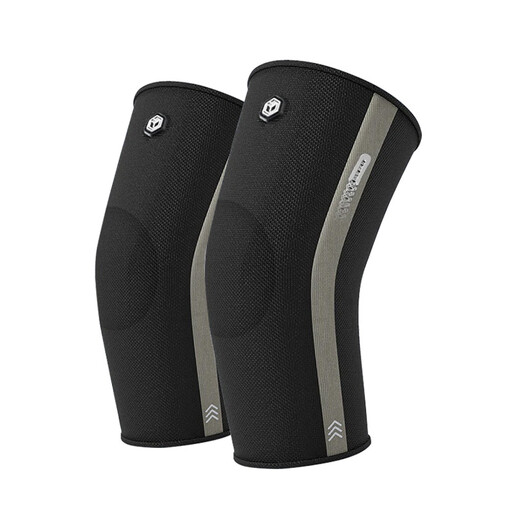
Why this choice suits this profile: This pack of two knee pads is designed for regular training in running, fitness, basketball, cycling or weight training, provided size L is right for you.
The description specifies the size, breathable fabric and ventilation zones – concrete details to compare rather than a vague promise of support.
3D knitting, reinforced stitching around the kneecap, breathable mesh and anti-slip design.
Why this choice suits this profile: This set combines a helmet, knee pads and elbow pads for cycling, scootering, rollerblading or skateboarding for children aged 3 and over, up to 25 kg according to the description.
The head circumference of 50 to 56 cm, adjustable straps and weight limit let you check the equipment is suitable before buying.
Ventilated helmet compliant with EN1078:2012+A1:2012 and protectors compliant with NF EN14120:2003+A1:2007, type 2, level 1, range A.
We've put together a comprehensive, real-time updated selection of products that meet these strict criteria and European safety regulations.
Wash the textiles according to the manufacturer's instructions, often by hand in cold water. Avoid ironing, bleach and tumble drying when they are not recommended – heat can damage the elasticity of the fibres. Then leave the support to air dry, away from any direct heat source.
Regularly inspect the stitching, straps, Velcro fastenings and shells. A child's protector must be replaced after a major impact, even if no cracks are visible. For a heating device, keep an eye on the battery condition and stop using it if you experience overheating, irritation or significant discomfort.
For running and basketball, a breathable sleeve or patellar strap can work, depending on the level of support you need. Measure your knee and check that the support stays in place without compressing the joint too much. If you need protection from falls or impacts, go for a model with a shell designed for the activity.
It depends on the model, the size you've chosen and your comfort. Start by wearing it for a short period, then take it off if you experience numbness, tingling or significant discomfort. It should not be used on an open wound and is not a substitute for medical advice if you have an injury.
No. This type of device is intended for use at rest. Follow the instructions, respect the temperature settings and seek advice from a healthcare professional if you have a known joint problem or injury.