
Livraison le jour même ou le lendemain

Qualité garantie

Débloquez vos offres de bienvenue: Livraison GRATUITE | Jusqu'à -80 % | 30 jours d'essai gratuits à JoyPlus
Téléchargez l'application
A good sports jacket is an investment. But the gap between marketing hype and real-world performance can be huge. A run in the rain can quickly turn into a nightmare, and in some cases, the wrong gear can even put your safety at risk. To help you avoid common pitfalls, let's review the most frequent mistakes.
A classic mistake is confusing "water-repellent" with "waterproof". A water-repellent garment causes water to bead up and roll off the surface, but it will eventually soak through in sustained rain. Another major issue is the "sauna effect". A non-breathable waterproof jacket traps sweat, leaving you just as damp as if you had no protection at all. Finally, for high-risk sports like motorcycling, the consequences are even more serious: poorly designed or ill-fitting protection is simply useless in a crash.
This guide is here to decode the jargon and give you the tools to choose a jacket that truly meets your needs.
To avoid making an uninformed purchase, it's crucial to understand the technical jargon. Here are the three technical criteria to examine closely.
This is the winning combination for any good technical jacket. These two often-competing properties are measured by specific ratings.
Waterproofing is measured in Schmerber (or millimetres of water column). This rating indicates how much water pressure the fabric can withstand before it leaks.
Breathability is measured by its MVTR (Moisture Vapour Transmission Rate), expressed in g/m?/24h. It quantifies the fabric's ability to let water vapour (your sweat) escape.
The secret is balance. A fortress against rain that can't breathe will turn into a sweatbox at the first sign of exertion.
Great fabric is only half the story. The finishing details are the true mark of a quality outdoor jacket.
For activities like motorcycling, safety comes first. A proper motorcycle jacket must include certified protection.
Because every activity has its own demands, here is our selection of models that tick the right boxes for specific user profiles.
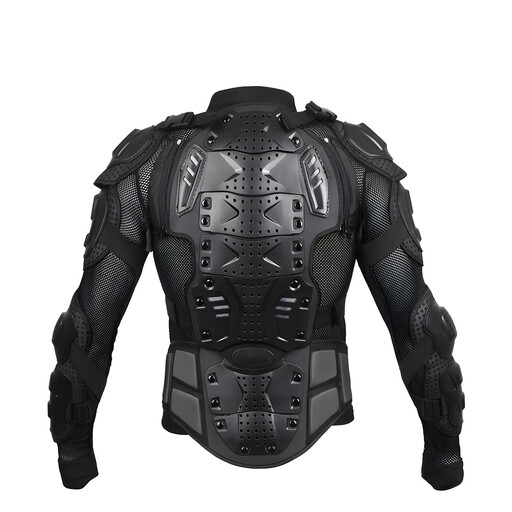
The Profile: Designed for off-road enthusiasts and safety-conscious daily commuters alike, this vest offers full upper-body protection without sacrificing freedom of movement.
It directly tackles the #1 issue: ill-fitting protection. Thanks to its multiple adjustment straps (shoulders, waist) and elastic cuffs, the protective shells stay perfectly in place, even during intense action.
Its multi-layer protection is fully removable (back, chest, elbows, shoulders), and its ultra-breathable mesh fabric ensures optimal comfort, even on long rides.
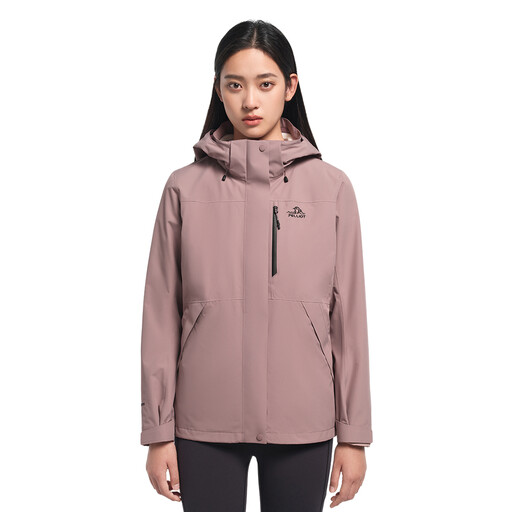
The Profile: Perfect for those who hike trails or camp in unpredictable weather. Its 3-in-1 design is a true Swiss Army knife: you can wear the outer shell alone, the fleece liner alone, or both combined for maximum protection.
It eliminates the risk of the "sauna effect" with numbers that speak for themselves: a record-breaking waterproof rating (35,900 mm) paired with excellent breathability (16,000 g/m?/24h). This is a balance rarely achieved in the market.
Its 3-in-1 versatility makes it useful all year round. Comfort bonus: the inner women's fleece jacket features an anti-static treatment.
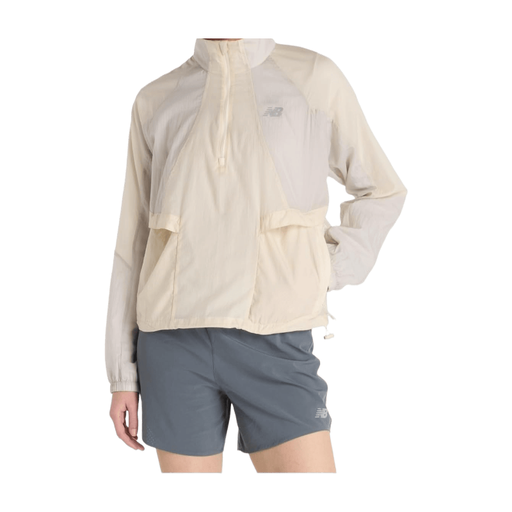
The Profile: Ideal for daily commutes, light workouts, or simply as protection from a surprise shower. Its minimalist style and light weight make it an urban wardrobe staple.
It is refreshingly honest about the water-repellent vs. waterproof confusion. Its WATER DEFY technology is clearly positioned as "water-resistant," perfect for a light drizzle. No false promises, just clear expectations.
Its 100% recycled ripstop nylon construction combines durability with an eco-conscious design. Ultra-lightweight and functional with well-placed pockets, it's effortlessly practical.
Didn't find a perfect match in our selection? No problem. Explore our full catalogue of products, all selected based on strict quality and compliance criteria.
Proper maintenance is key to preserving your technical jacket's long-term performance. Remove any detachable protectors before washing. Machine wash it at a low temperature (30°C) with a mild detergent, but without fabric softener, as it can clog the pores of the breathable membrane. Close all zips. Let it air dry. To reactivate the water-repellent treatment, you can tumble dry it on low for a few minutes (if the care label allows) or use a re-proofing spray after several washes.
A hardshell jacket is designed to offer maximum protection against the elements. It is fully waterproof, windproof, and durable, but often less flexible and less breathable. It's the top choice for mountaineering or hiking in heavy rain. A softshell jacket prioritises breathability, flexibility, and thermal comfort. It is generally water-repellent and wind-resistant, but not fully waterproof. It's ideal for high-intensity activities in cool, dry weather.
Yes, it's possible, but there are trade-offs. A hiking jacket will protect you well from rain and wind. The catch? Cycling-specific jackets are designed for the riding position (a longer back, pre-shaped sleeves) and almost always include reflective elements for safety. For short trips, a hiking jacket can work in a pinch. But for daily or intensive use, a purpose-built model will be far more comfortable and safe.