
Same-day & Next-day Delivery

Quality Guaranteed

Unlock Your Welcome Offers: FREE Delivery | Up to 80% OFF | Free 30-day JoyPlus trial
Download the APP
Whether you're a casual runner, a gym enthusiast, or a seasoned hiker, a minor injury can quickly ruin your workout. Building an effective sports first-aid kit seems simple, but the market is flooded with kits that are often poorly suited to the real needs of athletes. Before you buy, it's crucial to understand the common pitfalls that could make your purchase completely useless.
The goal isn't to hoard dozens of products, but to select the essentials?: items that will actually be useful, whether for treating a stubborn blister or working on your injury prevention. Here are the key points to keep in mind.
To build a truly functional first-aid kit, prioritise quality and relevance over quantity. Here are the elements to check to make an informed choice.
Forget classic plasters that never stay on. For high-friction areas like the feet or hands, two features are essential?:
The saying "prevention is better than cure" has never been more true than in sports. Integrating mobility and strengthening tools into your routine is just as important as knowing how to treat a scrape.
Rather than a single, impersonal kit, it's far more effective to choose products tailored to your activity. Here are our recommendations, targeted to your needs.
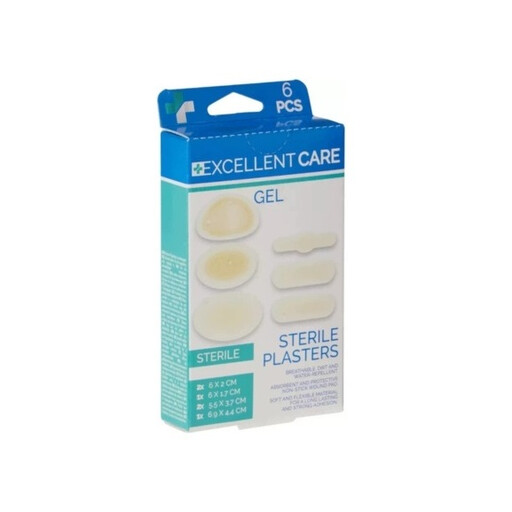
Why it's a great choice : This set is specifically designed for blisters and friction spots, the number one nightmare for endurance activities. The different sizes adapt perfectly to heels, toes, and other sensitive areas.
Unlike a standard bandage, the hydrocolloid technology of this blister bandage doesn't just cover the wound : it creates a gel cushion that relieves pressure and speeds up healing.
Breathable and waterproof, it stays in place for several days, even through sweat or showers, allowing you to continue your activity without any pain.
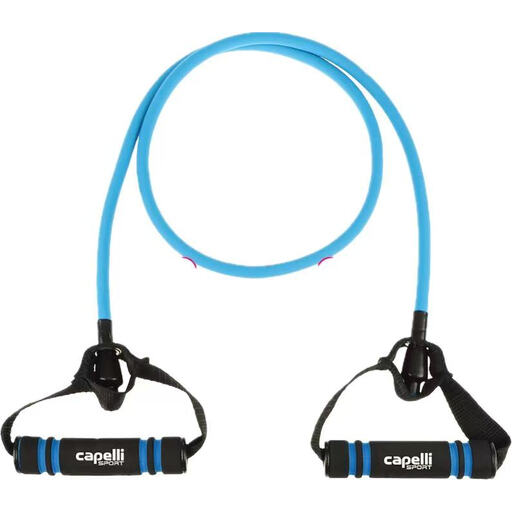
Why it's a great choice : This band is a versatile tool for warm-ups, strengthening, and rehabilitation. Its handles provide a comfortable and secure grip for a wide variety of exercises.
It perfectly complements a sports care kit by addressing the cause of injuries (muscle weakness) rather than just treating the symptoms. It's a direct investment in injury prevention.
Lightweight and compact, this resistance band can be taken anywhere, making it ideal for maintaining a strengthening routine at home, at the gym, or on the go.
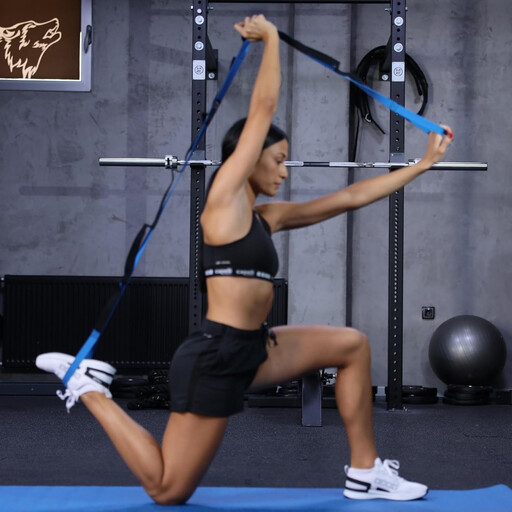
Why it's a great choice : For disciplines requiring great flexibility, this strap helps you progress safely. Its 8 loops offer different grip levels to adjust the intensity of the stretch.
This accessory embodies a proactive approach focused on mobility and muscle recovery. It helps improve performance while reducing the risk of pulls or tightness.
Its multi-loop design allows for independent and progressive work, without needing a partner, to precisely target hamstrings, quadriceps, or the back.
Explore our full selection of products that meet our quality criteria and current safety standards.
A classic bandage simply covers the wound. A hydrocolloid bandage, however, contains particles that absorb fluid from the blister to form a protective gel. This gel maintains a moist environment that facilitates healing, reduces pain from friction, and stays in place much longer, even during exercise.
For recovery, use a resistance band with low-intensity exercises that reactivate blood flow and gently stretch sore muscles. For example, controlled shoulder rotations or light leg extensions after a run help reduce muscle soreness and maintain mobility without overloading the joints.
Building your own kit is almost always the best solution. It allows you to select high-quality products that are truly suited to your sport and your specific needs (e.g., special blister bandages if you run, or a stretch strap if you do yoga). This way, you avoid paying for generic items that will just sit at the bottom of your bag.