
Livraison le jour même ou le lendemain

Qualité garantie

Débloquez vos offres de bienvenue: Livraison GRATUITE | Jusqu'à -80 % | 30 jours d'essai gratuits à JoyPlus
Téléchargez l'application
Whether you're a seasoned marathon runner or a casual Sunday fitness enthusiast, choosing the right sports drink can often be a headache. The shelves are overflowing with promises: energy, rehydration, recovery... How do you navigate this marketing jungle? As a section editor and product specialist at Joybuy, I'm here to give you the keys to deciphering labels and making a choice that's truly right for your needs.
But before you dive in headfirst, let's review the classic mistakes that can sabotage your performance (and your wallet).
To avoid falling into the trap, here are the essential criteria that define a truly effective sports drink.
Behind this technical term lies a simple concept: the concentration of the drink (in sugars and electrolytes) compared to that of our blood.
When you sweat, you don't just lose water, but also crucial minerals: electrolytes. A good electrolyte drink must therefore contain:
Glancing at the label to check for their presence is the first step to ensuring truly functional hydration.
Carbohydrates are the muscle's fuel. But be careful, not all are created equal. A good sports drink combines simple sugars (glucose, fructose) for an immediate boost with more complex carbohydrates (like maltodextrin) for sustained energy release. For a simple vitamin water or light hydration, the sugar content should, of course, remain minimal.
Every athlete has different needs. Here are our recommendations, chosen for their perfect fit with specific use cases.
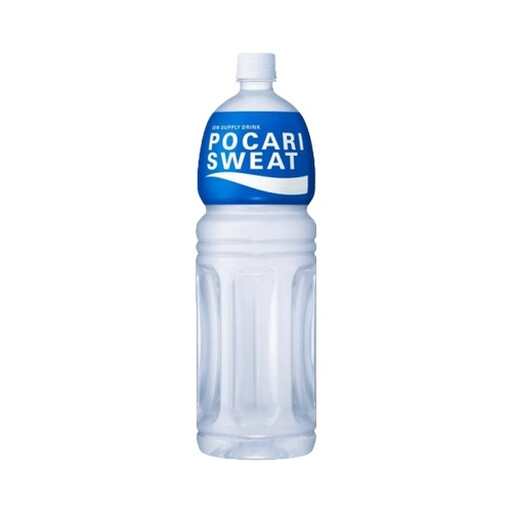
Why we chose it: A true institution in Japan, this drink is the gold standard for rehydration during long-duration efforts. Its formula is designed to precisely compensate for water and mineral losses from intense sweating.
This is a pure isotonic drink. Its goal isn't to drown you in sugar, but to restore electrolyte balance to sustain performance over the long haul.
Its composition is optimised for rapid absorption, making it the perfect partner for hydration during intense activities like running or cycling.
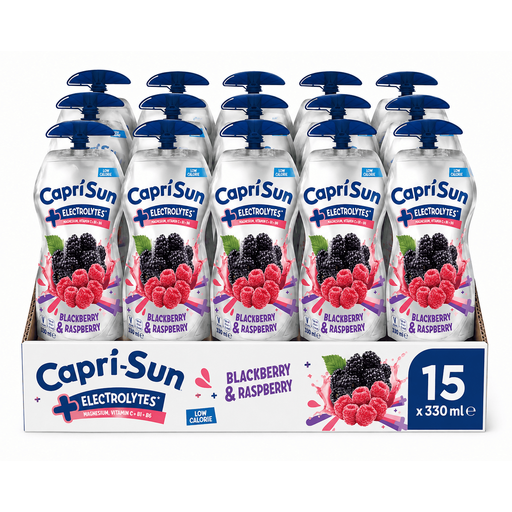
Why we chose it: Perfect for a fitness session, a short hike, or simply to cool down after sports. It offers smart hydration without getting overly technical.
It doesn't fall into the sugar bomb trap. With only 4.9g of sugar per 100ml and a welcome dose of magnesium and vitamins, it's a much healthier alternative to traditional sodas and fruit juices.
Its resealable pouch format is ultra-convenient to slip into a gym bag. The 15-pack proves to be economical for regular use.
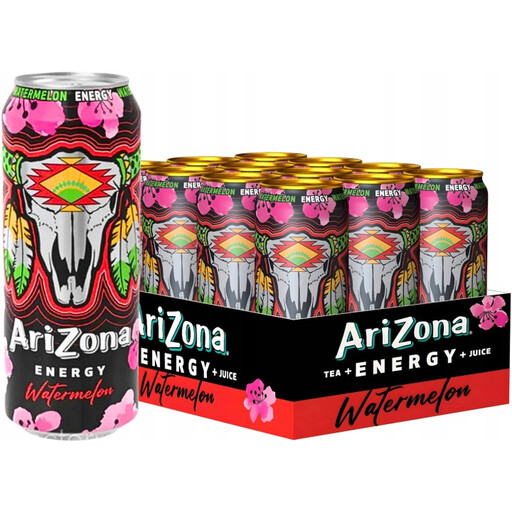
Why we chose it: For those who need a real kick before a weightlifting session or an explosive sport. Be aware, this is a pure energy drink with a great fruit taste, not a hydration drink for endurance.
By owning its role: it's an "energy" drink, not a "hydration" drink. You drink it for its stimulating effect (thanks to the green tea extract!), not to compensate for sweat loss.
It stands out with real fruit juices and green tea extract, a much more natural composition than classic energy drinks with synthetic flavours.
We've selected a full range of products for you that meet these quality criteria.
1. What is the difference between an isotonic drink and an energy drink? An isotonic drink is designed to effectively rehydrate the body by replenishing water and electrolytes lost during exercise. An energy drink primarily aims to provide a mental and physical boost, usually with caffeine and a lot of sugar. Their roles are therefore radically different.
2. When should you drink a sports drink? It all depends on the type of drink and the effort.
3. Is a sports drink really necessary for a workout under an hour? For a moderate effort of less than an hour (fitness, jogging...), plain mineral water is more than enough. An enriched drink becomes relevant if the effort is prolonged, intense, or if the heat makes you sweat heavily. For daily hydration and light activities, a reliable choice like Volvic Natural Mineral Water remains an excellent go-to.