
Livraison le jour même ou le lendemain

Qualité garantie

Débloquez vos offres de bienvenue: Livraison GRATUITE | Jusqu'à -80 % | 30 jours d'essai gratuits à JoyPlus
Téléchargez l'application
At first glance, choosing new sports bottoms seems easy. But there's often a world of difference between marketing promises and on-the-ground reality. Leggings that slide down, shorts that chafe after a 20-minute run, or joggers that turn into a sponge at the first sign of rain... Who hasn't experienced these frustrations? It's annoying, and it's money down the drain. To help you avoid making a bad purchase, let's review the most common pitfalls and the criteria that truly matter.
Here are the 3 classic mistakes to stop making:
To avoid these traps, simply focus on a few objective technical criteria. These are the true markers of a garment's quality and suitability for your activity.
The choice of fabric is crucial. Forget the marketing slogans; the essential information is on the label.
You don't choose the same bottoms for yoga as you do for a half-marathon. The fit must be designed for the intensity and type of movement your discipline requires.
It's the finishing touches that transform a simple garment into a true performance ally.
To illustrate this advice, here is a selection of products that meet specific needs, all vetted against our performance and design criteria.
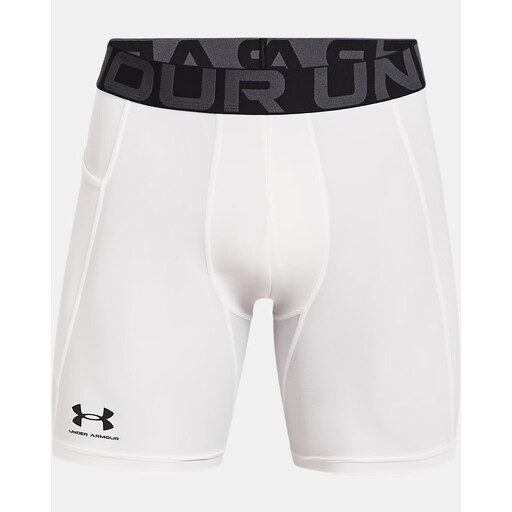
Why we chose it: These men's sports shorts are built for the most intense efforts. Their compressive fit provides targeted muscle support, and their technical fabric is entirely dedicated to performance, both in the gym and outdoors.
Its ultra-light HeatGear fabric wicks sweat at lightning speed, saying goodbye to that heavy, damp feeling. The compression is perfectly ergonomic: it supports without ever restricting movement.
Its strategic mesh panels provide targeted ventilation where you heat up most, and its seams are moved away from high-friction zones for maximum durability.
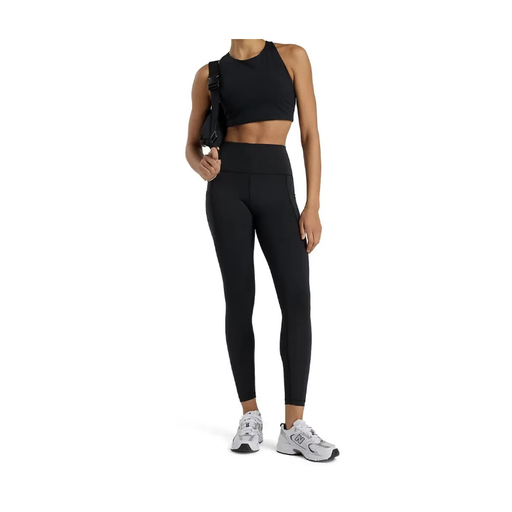
Why we chose it: These leggings with pockets are the perfect balance of support, comfort, and practicality. Their high-rise waist ensures they won't budge an inch, whether during a run or a set of squats. The side pocket is as well-designed for sports as it is for daily life.
No more slipping leggings: its high waist and fitted cut keep it perfectly in place. The side pocket holds your smartphone flat against the thigh, neutralizing annoying bouncing during your run.
Its four-way stretch fabric offers absolute freedom of movement. The technical material wicks away moisture to keep you dry and comfortable, mile after mile.
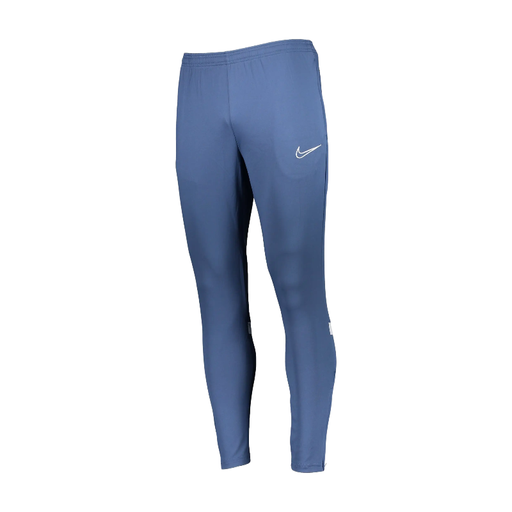
Why we chose it: These Nike track pants perfectly embody the "athleisure" trend. With their modern, tapered cut, they transition effortlessly from the training ground to the street, all without ever compromising on technical features.
No empty promises here: Dri-FIT technology is a proven winner for managing sweat. As for the zippered side pockets, they eliminate the risk of losing your belongings.
Ankle zips allow you to put them on and take them off in a flash, even over shoes. The mesh-lined elastic waistband combines comfort and breathability.
We've compiled a complete list of products that meet our demanding selection criteria.
The comfort and effectiveness of a compression garment depend on a perfect fit. Forget your usual size (S, M, L), which varies enormously from one brand to another. The only reliable method: take your measurements (waist, hips) and compare them to the manufacturer's size guide. For a compression garment, if you're between two sizes, choose the smaller one for firm support, or the larger one to prioritize comfort.
Absolutely. Proper care is key to preserving its technical qualities. Rule number one: ban fabric softener! It clogs the fabric's fibres and destroys its ability to wick away sweat. Wash in cold water (30°C / 86°F), with similar colours, and opt for air drying. The high heat of a tumble dryer is a no-go, as it destroys elastic fibres like elastane.
It's all about fit and function. Jogging pants have a loose, comfortable cut, often made of cotton or a blend, perfect for warming up, recovery, or a casual look. Running tights (or leggings), on the other hand, are like a second skin. Their very close, sometimes compressive fit and synthetic materials are designed to optimize sweat wicking, reduce wind resistance, and support muscles during intense effort.