
Livraison le jour même ou le lendemain

Qualité garantie

Débloquez vos offres de bienvenue: Livraison GRATUITE | Jusqu'à -80 % | 30 jours d'essai gratuits à JoyPlus
Téléchargez l'application
Between promises of rapid muscle gain, overdosed formulas and powders with endless ingredient lists, choosing sports and bodybuilding supplements can quickly become a real headache. Yet the right choice is not simply about the slogan printed on the tub. It mainly depends on how well the product matches your goals, diet and training routine.
A large number on the front of a packet does not necessarily mean that the product meets your needs. Check the actual recommended serving, the number of capsules or tablets to take and the amount consumed each day.
Take an L-citrulline formula that lists 3 000 mg per serving: it may require four capsules. To find out whether the product offers good value, calculate its cost over the period you intend to use it, rather than relying solely on the price of the bottle.
Whey naturally contains amino acids, including BCAAs and glutamine. Adding several amino acid blends at the same time can therefore make it harder to keep track of your intake, without providing any clearly established benefit in your particular situation.
Before ordering, start by identifying your main need: increasing your protein intake, structuring your nutrition around training or simply having a convenient format to take with you.
Food supplements are not a substitute for a varied diet or a balanced lifestyle. Caffeine, zinc, magnesium and certain amino acids also require particular care if you are taking medication or have a health condition.
Pregnant or breastfeeding women, minors and anyone undergoing medical treatment should seek advice from a healthcare professional before use. Also remember to check for allergens: milk and soya in some whey proteins, gelatine in certain capsules, as well as any possible traces linked to the manufacturing site.
For whey protein, compare the amount of protein per serving, but also the sugar and fat content and the total number of servings. The Optimum Nutrition products featured below provide around 24 g of protein per serving, with pack sizes suited to different usage patterns.
For BCAAs, look at the breakdown between L-leucine, L-isoleucine and L-valine, rather than stopping at the simple phrase “amino acid complex”. A 2:1:1 ratio tells you exactly how the advertised blend is distributed.
Powders are generally convenient for preparing a shaker. Tablets and capsules can, however, be easier to use at work, when travelling or during an outdoor workout. An individual serving, such as a whey sachet, helps prevent dosing errors and is easy to carry.
The pack size should also match how often you use the product. A 2.02 kg tub may be a sensible choice if you regularly consume whey, while a smaller pouch or a 300 g format lets you try a flavour and texture without tying up a substantial amount of money.
A pre-workout supplement may contain caffeine, taurine, beta-alanine, guarana or ginseng. Check the amount per capsule and the maximum daily dose stated on the label. Avoid multiplying your sources of caffeine on the same day without counting coffee, tea and energy drinks.
For ZMA and formulas based on magnesium, zinc and vitamin B6, compare the daily amounts and avoid duplicating them with other supplements. Magnesium contributes to normal muscle function and the reduction of tiredness. Zinc and vitamin B6 also benefit from authorised claims in the European Union, provided the regulatory criteria are met.
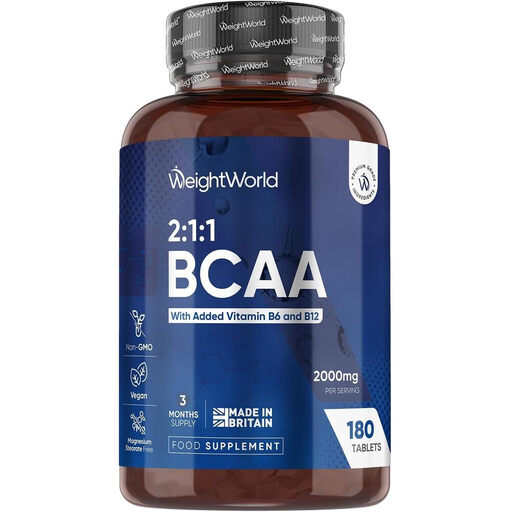
Why this choice suits this profile : The tablet format is ideal for discovering sports nutrition without a shaker or powder preparation. The recommended serving is two tablets a day.
The ingredients list distinguishes between the three BCAAs and specifies their 2:1:1 ratio. This allows you to assess the formula using concrete information rather than a general promise printed on the packaging.
180 tablets, 2 000 mg of BCAAs per stated daily serving, vitamins B6 and B12, and a formula suitable for vegans according to the product information.
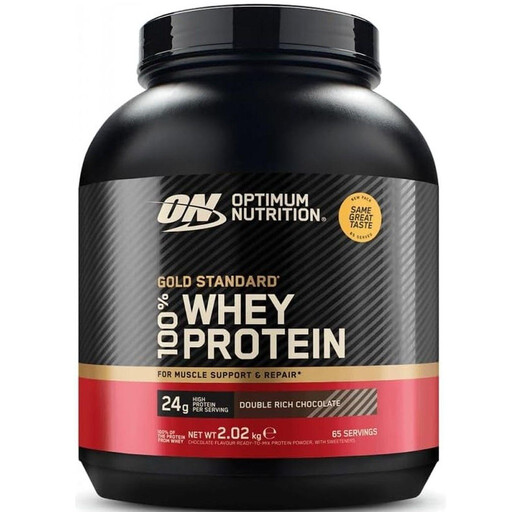
Why this choice suits this profile : This large format is aimed at people who regularly use whey to supplement their daily protein intake.
The product information details the amount per serving, calories, carbohydrates and fats. You can therefore compare the cost per serving instead of focusing solely on the weight of the bag.
24 g of protein per 30 g serving, a blend of whey isolate, concentrate and hydrolysate, with 65 stated servings.
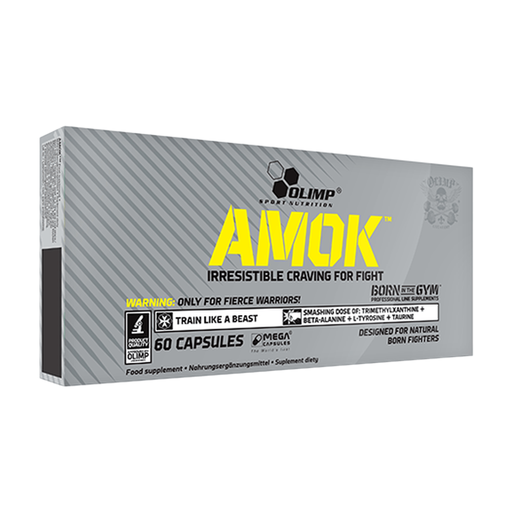
Why this choice suits this profile : This pre-workout formula is intended for active adults, particularly during periods of demanding training or for combat sports.
The caffeine content is clearly stated: 125 mg per capsule and 300 mg for two capsules. This clarity helps you avoid unintentionally combining it with other stimulants.
Per capsule: 400 mg taurine, 300 mg beta-alanine, 125 mg caffeine, 125 mg magnesium and 1.75 mg vitamin B6.
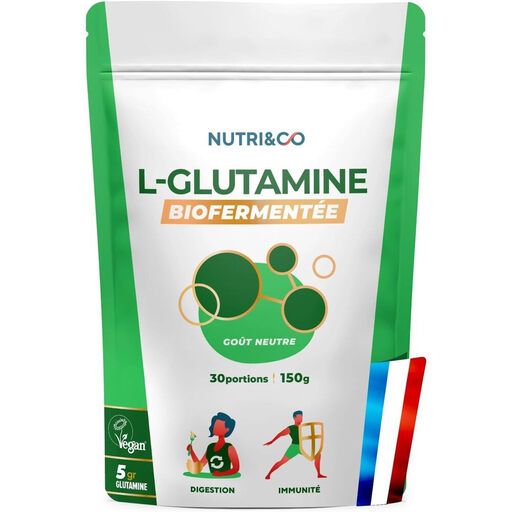
Why this choice suits this profile : The powder allows you to adjust the serving between 3 and 5 g, in line with the manufacturer's instructions, and add it to a shaker after training.
The formula contains just one ingredient: L-glutamine. This composition limits duplication with blends that already contain numerous amino acids.
We have put together a comprehensive, real-time updated selection of products that meet these strict criteria and the requirements of European safety regulations.
Whey protein provides complete proteins derived from milk and can help supplement your daily protein intake. BCAAs, on the other hand, consist of just three amino acids: leucine, isoleucine and valine. If your diet already meets your protein needs, a BCAA supplement may be less of a priority than keeping a close track of your total intake.
Follow the best-before date shown on the packaging and the storage instructions. Close tubs and bottles carefully, then store them away from moisture, heat and direct sunlight. Powder that has clumped together, an unusual smell or a damaged capsule should prompt you not to use the product.
No. A pre-workout is an option, not a requirement. For formulas containing caffeine, take your sensitivity, the time of your workout and your other daily sources into account. Before looking for a supplement to support muscle recovery or sports performance, make sure you have the basics covered: progressive training, sufficient sleep, hydration and a suitable diet.