
Livraison le jour même ou le lendemain

Qualité garantie

Débloquez vos offres de bienvenue: Livraison GRATUITE | Jusqu'à -80 % | 30 jours d'essai gratuits à JoyPlus
Téléchargez l'application
Buying a sports smartwatch can quickly become a minefield. Between unrealistic battery life claims and marketing jargon that doesn't hold up, it's easy to make the wrong choice. Our mission?is to help you decipher spec sheets and identify the criteria that truly matter. The goal?is a smart, long-lasting purchase that's perfectly suited to your activities.
To avoid buyer's remorse, here are the three most common mistakes that lead to disappointment.
To make the right choice, focus on these three features. They're what will make all the difference in the field.
Don't be fooled by the maximum standby battery life advertised. Scour the spec sheet for the real endurance figures with the most power-hungry features enabled.
Deciphering these ratings will prevent you from drowning your new watch on its first outing.
For an activity tracker that tells it like it is, data quality is king.
Here are a few models that tick all the boxes, designed for different profiles and budgets, but always with our reliability criteria in mind.
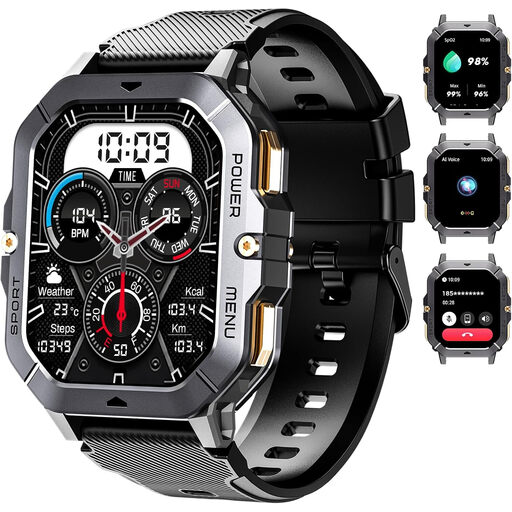
Why we chose it : Perfect for getting started with smartwatches without breaking the bank. It covers the essentials : notifications, over 100 sports modes for casual tracking, and the very practical Bluetooth calling feature for daily use.
It avoids the trap of being over-specced. There's no need to spend a fortune when you're just starting out : for exploring the world of smartwatches without aiming for absolute performance, its value for money is unbeatable.
Its large, highly readable 2.02-inch screen, its 410 mAh battery that lasts for several days, and its IP68 rating that protects it from daily hazards.
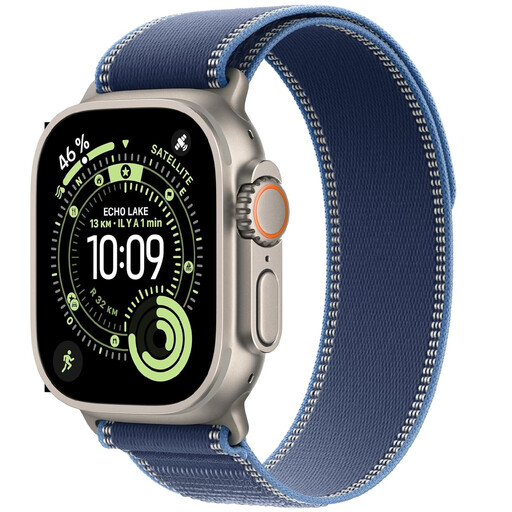
Why we chose it : Built for extremes, it's aimed at seasoned athletes, hikers, and divers. Its titanium case, sapphire crystal glass, and certification for diving down to 40 metres make it the ultimate adventure tool.
Here, there are no compromises on accuracy or durability. The dual-frequency GPS ensures flawless tracking, and its ruggedness (MIL-STD-810H standard) protects it from impacts. Its multi-day battery life in normal use is a real convenience.
Satellite connectivity for off-grid emergency SOS, an ultra-bright screen, and up to 20 hours of battery life with continuous active GPS. A benchmark for safety and performance.
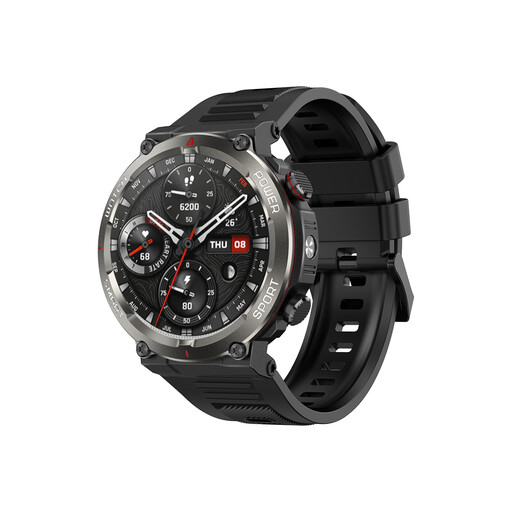
Why we chose it : For anyone tired of charging their watch every night. This model goes all-in on exceptional battery life for hassle-free daily tracking.
It shatters the myth of false battery claims. With its monster 960 mAh battery, it delivers on its promise of around 30 days of use—a rare feat that's a daily game-changer.
Its record-breaking battery life, of course. But also handy bonuses like an LED torch with a dedicated physical button, Bluetooth calling, and 24/7 health tracking.
We've put together a complete selection of products that meet our demanding criteria and current safety standards.
Today's watch sensors provide increasingly accurate estimates for tracking your fitness trends and general well-being. However, it's important to remember that they are not medical devices. The data (heart rate, SpO2, sleep analysis) is provided for informational purposes and should not replace a diagnosis or advice from a healthcare professional.
The IP68 standard guarantees total protection against dust and temporary immersion in fresh water (usually up to 1.5 metres for 30 minutes). It's perfect for rain, sweat, or washing dishes. A 5 ATM rating means the watch can withstand pressure equivalent to a depth of 50 metres, making it suitable for surface swimming. This is the rating you should look for if you're into water sports.
It all depends on the model. A GPS-only model uses satellite signals for geolocation free of charge, with no extra cost. However, a cellular watch (4G/5G), which can make calls or use data without your smartphone nearby, requires an eSIM and a dedicated mobile plan. This will incur a monthly subscription fee from your carrier.