
Livraison le jour même ou le lendemain

Qualité garantie

Débloquez vos offres de bienvenue: Livraison GRATUITE | Jusqu'à -80 % | 30 jours d'essai gratuits à JoyPlus
Téléchargez l'application
Buying drinks online lets you compare formats, origins and alcohol percentages in just a few clicks. But a well-written product page isn't always enough to make the right choice. Overly flattering tasting notes, bottle sizes that are easy to misinterpret, or alcohol-free alternatives with wildly different ingredients can quickly lead to disappointment.
Here are the key points to check before choosing spirits and non-alcoholic drinks online, whether for tasting, cocktails, aperitifs or gifts.
Terms like "smooth", "complex", "fruity" or "velvety" give you a general idea, but they don't guarantee you'll enjoy the product. A whisky dominated by vanilla won't necessarily suit someone looking for peaty notes. Similarly, a gin heavy on citrus might taste too sharp for someone who prefers resinous or spicy profiles.
It's far better to look at the recipe base, the botanicals used and the serving suggestions, rather than relying solely on marketing language.
A 70 cl bottle of alcoholic drinks doesn't necessarily mean the same usage or intensity. A whisky at 45% ABV, a gin at 47% ABV and a liqueur at 17% ABV are all served differently. The number of servings you'll get, the drink's role in a cocktail and how it keeps after opening are all worth considering.
If your order is for several people, also check the exact number of bottles or cans included in the set. A photo showing multiple products can sometimes be a staged display rather than the actual contents of the offer.
An alcohol-free beer, a sparkling alcohol-free wine and an alcohol-free aperitif can be based on very different things: malt, grape juice, plant extracts or flavourings. Always check the alcohol content, the ingredients list, allergens and nutritional information. For pregnant women or anyone who must strictly avoid alcohol, the product label remains the most reliable reference.
Start by defining how you plan to use it:
The alcohol content must be clearly shown as a percentage by volume. A Japanese sake like Hakkaisan Tokubetsu Honjozo is 15.5% ABV for 72 cl, while a Japanese umeshu can reach 19.7% ABV. Such differences affect how you serve it, how much you use and what food it pairs with.
Check whether the bottle contains 70 cl, 72 cl or 75 cl, or whether it's part of a multipack. A case or box can be handy for gifting, but it tells you nothing about the flavour. On the product page, also look for storage and serving instructions: recommended temperature, how long it keeps after opening and whether it can be served on ice.
For alcohol-free products, pay particular attention to sugar content, sweeteners, sulphites and cereals containing gluten. Nozeco, for example, states a grape juice base and the presence of sulphites. 1664 alcohol-free mentions barley malt and shows 15 kcal per 100 ml on its product page.
This information helps you choose a drink that suits a meal, a light aperitif or alcohol-free consumption, without attributing health effects that aren't established by the product description alone.
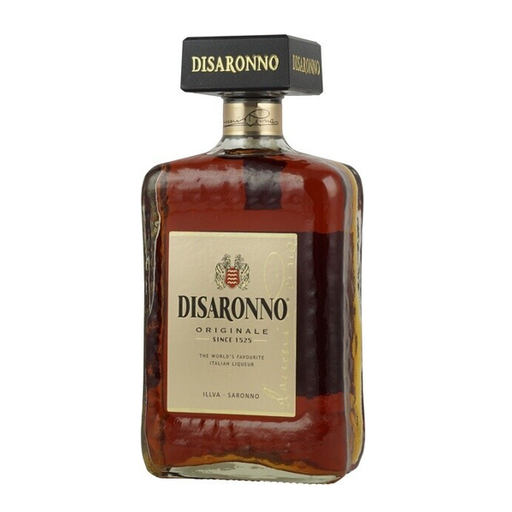
Why this suits this profile: Its almond liqueur can be enjoyed neat, on ice or in simple cocktails, without needing a long list of ingredients.
The alcohol content and bottle size are clearly stated, while the hazelnut-almond profile gives you a good idea of its sweet, aromatic flavour.
70 cl, 28% ABV and two ways to serve it: neat or in a cocktail.
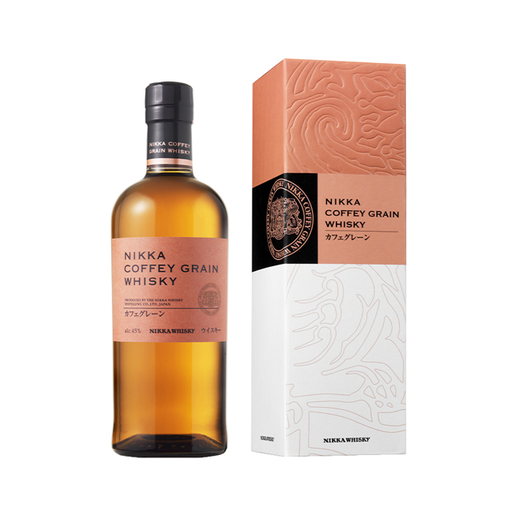
Why this suits this profile: Its case and fruity, honeyed, spicy profile make it a great choice for careful tasting or as a gift for a fan of Nikka Japanese whisky.
The single grain label, Japanese origin, 45% ABV and 70 cl format give you clear reference points before buying.
Case included, notes of honey and spices, can be enjoyed neat, on ice or with a splash of water.
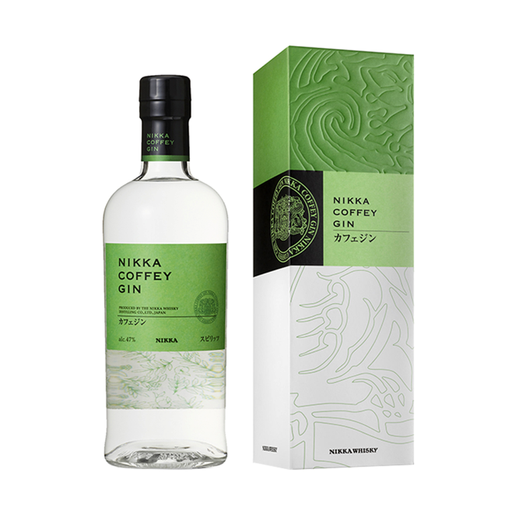
Why this suits this profile: Its Japanese citrus, apple and Sansho pepper give it a distinctive flavour profile that's easy to pick out in a gin and tonic or a fruity cocktail.
The recipe details the 11 botanicals as well as the corn and malted barley distillates, so you know exactly what sets this gin apart from a neutral base.
47% ABV, case included, can be enjoyed neat or with tonic and a citrus garnish.
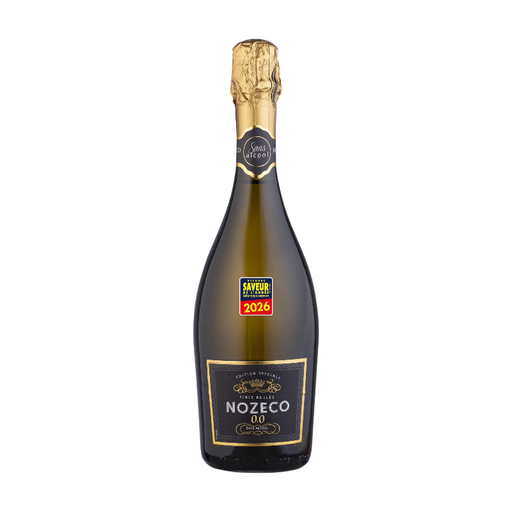
Why this suits this profile: Its fine bubbles and fruity profile make it a great choice for a celebratory aperitif when you want to avoid alcohol.
The product page shows 0% ABV, sulphites, ingredients and storage conditions, all useful information for comparing different options.
75 cl format, fine bubbles, notes of white flowers, citrus and exotic fruit.
We've curated a complete, real-time updated list of products that meet these exacting criteria and comply with European safety regulations.
Check the stated ABV, ingredients, allergens and nutritional values. For an alcohol-free beer, a 1664 0.0% in a pack of 6 × 25 cl and a Kirin Zero Ichi at 350 ml don't necessarily serve the same purpose, especially when it comes to size. Always serve the drink following the recommendations on the packaging.
It depends on the product. Spirits generally keep better than wine or sparkling drinks, but heat, light and air will eventually affect the flavours. Seal the bottle tightly and follow the manufacturer's instructions. An opened fizzy drink should be consumed quickly to keep its bubbles.
Japanese whisky is ideal for sipping or in structured cocktails. Japanese gin shines in a gin and tonic or citrus-based mixes. Japanese sake, meanwhile, pairs beautifully with Japanese dishes and certain fish. The ABV, volume, flavour profile and serving temperature will help you decide between different options before buying spirits online.