
Livraison le jour même ou le lendemain

Qualité garantie

Débloquez vos offres de bienvenue: Livraison GRATUITE | Jusqu'à -80 % | 30 jours d'essai gratuits à JoyPlus
Téléchargez l'application
Spicy crisps catch your eye with their colourful packaging and promises of a fiery kick. But a packet covered in chilli illustrations doesn’t always tell you much about the taste, texture or ingredients. Whether you’re looking at chilli crisps, Asian-style savoury snacks or prawn and spicy chicken recipes, it’s worth doing a bit of homework before you fill your basket.
A red packet or the word ‘hot’ gives you no standardised indication of how strong the chilli actually is. Chilli, paprika, Sichuan pepper and sriracha sauce all create very different sensations: gradual warmth, citrusy acidity, smoky notes or the classic numbing effect of mala.
For a first order, it’s best to check the ingredients list and start with a small individual pack. Heat seekers can then move on to more intense recipes.
Spicy snacks from around the world can contain soya, wheat, milk, fish, crustaceans or mustard. Prawn-flavoured crisps, for example, aren’t suitable for anyone with a crustacean allergy. Some recipes also include flavour enhancers, colourings or sweeteners.
Always check the product page and the packet label before eating, especially if you have an allergy, intolerance or phenylketonuria. For Lay’s crayfish-flavoured crisps, the presence of aspartame E951, a source of phenylalanine, is clearly stated.
Crisps quickly lose their crunch after opening, especially in a humid kitchen. Bulk packs are great for a party or regular snacking, but they need proper storage. Keep packets in a dry, cool place, away from direct sunlight and strong odours. Seal each packet after opening and eat the contents promptly.
Chilli crisps can offer very different experiences depending on the recipe. A nori version brings salty, sea-like notes, while sriracha often pairs chilli with a slight sweetness. Sichuan pepper, found in some mala or crayfish-flavoured crisps, creates a unique sensation that goes beyond the heat of chilli alone.
Here are a few useful pointers:
A classic potato crisp has a thin, brittle texture. Asian crisps can be made from corn, tapioca flour or wheat. Sriracha prawn crisps, for instance, are based on tapioca flour and contain 11.44% prawn according to the product information.
Stick-shaped or drumstick-shaped biscuits, like those from DORKBUA, are thicker and more substantial. They’re ideal for a long apéritif session, but their ingredients include wheat, dairy and soya.
An individual pack of 30 to 70 g is perfect for trying a new flavour or preparing a snack to take with you. Formats of 100 to 156 g are better for sharing. If you eat them regularly, compare the values per 100 g, because the stated portion sizes vary from brand to brand.
The recipes featured here typically range from 400 to 540 kcal per 100 g, with varying salt content. The product page for PUTHAI mala crisps, for example, shows 2.8 g of salt per 100 g, while Pringles Caribbean-Style Spicy Chicken has 0.4 g. These figures won’t tell you how they taste, but they do give you an objective basis for comparison.
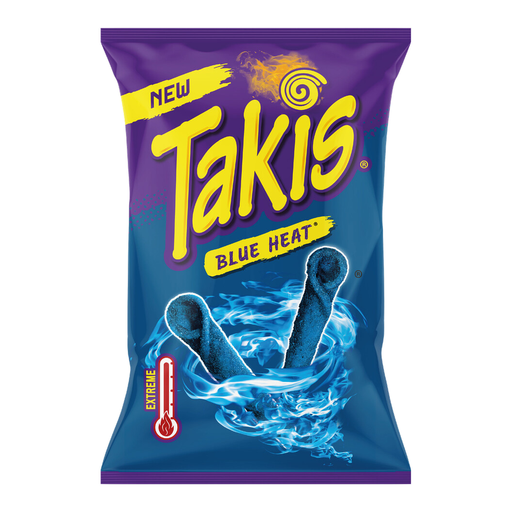
Why this choice suits this profile: With its 100 g format, this product lets you try rolled corn crisps with chilli and lime without committing to a whole bulk pack.
The product page clearly lists the allergens, including soya, and states the salt content of 1.7 g per 100 g.
A corn base, rolled texture, 497 kcal and 8.5 g of fibre per 100 g according to the product information.
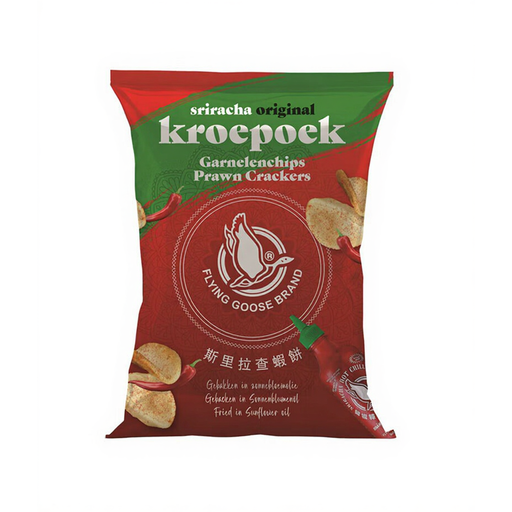
Why this choice suits this profile: An international recipe that combines prawn, sriracha, paprika and chilli for an apéritif with marine notes.
The presence of crustaceans, gluten and mustard is clearly stated, along with a warning about possible traces of nuts and peanuts.
11.44% prawn on a tapioca base, with 404 kcal per 100 g according to the available information.
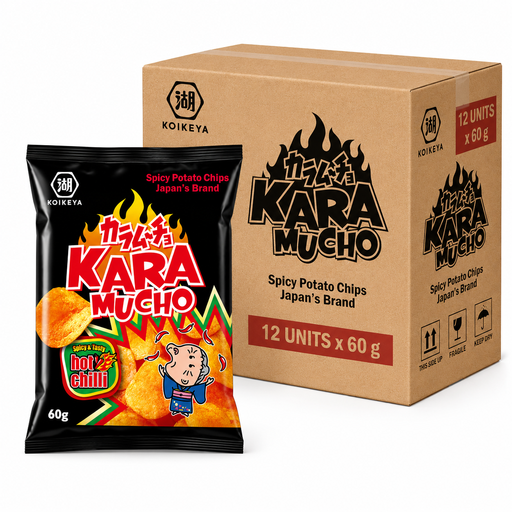
Why this choice suits this profile: With its 12 packets, this bulk pack is ideal for offices, parties, picnics and households that regularly enjoy crunchy snacks.
Each 60 g packet stays sealed until you eat it, so you never lose the crunch of an opened large bag.
A seasoning of chilli, garlic and onion, 60 g per packet, with soya and wheat listed among the allergens.
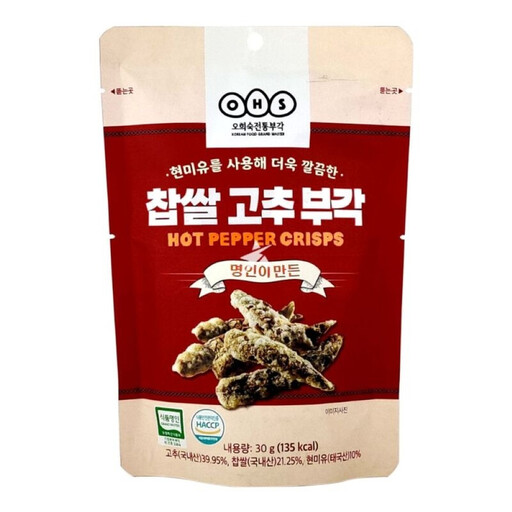
Why this choice suits this profile: Its small size is perfect for an occasional treat, a picnic or a first taste of Korean cuisine.
At just 30 g, it limits the risk of overbuying, and the product page specifies the presence of wheat, despite a recipe centred on chilli.
A recipe based on chilli, glutinous rice, corn and starches; store in a dry place away from moisture.
We’ve put together a full, real-time updated list of products that meet these demanding selection criteria and comply with European food safety regulations.
Go for an individual pack of 30 to 70 g and a recipe with easy-to-recognise flavours, such as mild chilli, cheese and jalapeño, or chilli with lime. Takis Blue Heat and OHS Hot Pepper Crisps let you explore two different profiles, but always check the ingredients and allergens.
Keep sealed packets in a dry, cool cupboard away from direct light. After opening, reseal the packaging carefully and eat the contents promptly. For a spicy crisp assortment, individual formats, like the 12 packets of Karamucho, make storage much simpler.
No, the name alone isn’t enough to tell you. Check the ingredients list and the allergen declaration. Sriracha Flavoured Prawn Chips state 11.44% prawn and the presence of crustaceans, whereas other products may just use flavouring. Before you tuck in, rely on the product page and the label on the packet you receive.