
Livraison le jour même ou le lendemain

Qualité garantie

Débloquez vos offres de bienvenue: Livraison GRATUITE | Jusqu'à -80 % | 30 jours d'essai gratuits à JoyPlus
Téléchargez l'application
Spicy Chinese roasted broad beans have plenty going for them: a crunchy texture and seasonings that certainly make an impression. They’re perfect with a drink, as a pre-dinner snack, or for a quick bite on the go. But from one product to the next, the experience can vary dramatically. Beans that are too hard, an impractical packet, or a confusing ingredients list – it only takes one detail to turn a curiosity into a disappointing purchase.
Before comparing sizes, flavours and prices, it’s worth keeping three common pitfalls in mind.
The word “spicy” can cover very different realities: chilli, pepper, cumin or a blend of spices. Some chilli-flavoured beans even add a peppery, slightly numbing sensation typical of Sichuan pepper. A quick look at the ingredients list is essential, rather than relying solely on the picture on the packet.
Seasoned broad beans may contain wheat flour, soya, sesame or cereals containing gluten. Depending on the recipe, you might also find flavour enhancers, sweeteners, vegetable oil or various texturising agents. In the UK, always check the label on the packet you receive, especially if you have an allergy or intolerance.
A large packet isn’t necessarily good value if the beans go soft a few days after opening. At the office, on the go, or for a group aperitif, individual portions and resealable packaging are often far more practical. Also remember to check the best-before date and storage instructions.
Roasted or grilled beans need to be crunchy enough to eat straight from the packet. The product description may promise a crispy texture, but the result also depends on the recipe, storage conditions and how long the packet has been open. Choose an intact packet and store it in a dry place, away from heat and light.
If you plan to eat the packet over several sittings, seal it carefully after each use. Ready-to-eat beans quickly absorb moisture from the air.
Look at where the beans appear in the ingredients list and identify the type of blend used:
The salt content is also worth a bit of attention. Nutritional values are usually given per 100 g, whereas the packets sold sometimes weigh 42, 75 or 130 g. Keep this detail in mind to compare products properly.
For a purchase in the UK, check that the packaging provides clear information on net weight, ingredients, allergens, nutritional values, storage and best-before date. This data can vary by batch or market of distribution – the label on the packet you receive is what counts.
A small size is ideal for an occasional snack. Conversely, a 130 g packet is better suited for sharing, provided you reseal it properly after opening.
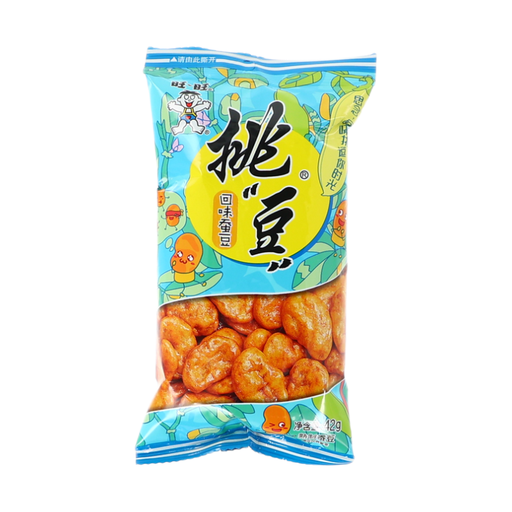
Why this choice suits this profile: At 42 g, this packet lets you try a spicy Asian snack without being left with a large bag to finish. It slips easily into a bag for a break at work or when you’re out and about.
The small packaging limits the risk of the beans losing their crunch after several days. The product description states they can be eaten straight after opening.
42 g, crunchy beans and a seasoning that combines chilli and five-spice. The presence of wheat should be noted.
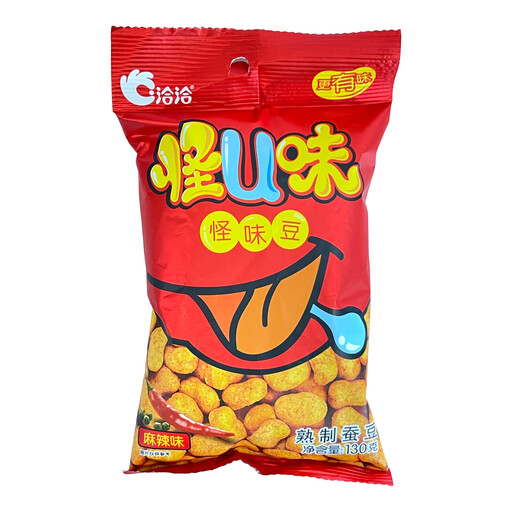
Why this choice suits this profile: Its 130 g format lends itself to generous snacking or sharing at an aperitif. The blend plays on salty, sweet, chilli and peppery notes.
The product description details the beans, oil, chilli and Sichuan pepper. The allergens wheat and soya are also flagged before purchase.
130 g, a texture described as crunchy, 14.2 g of protein and 1.02 g of sodium per 100 g according to the product description.
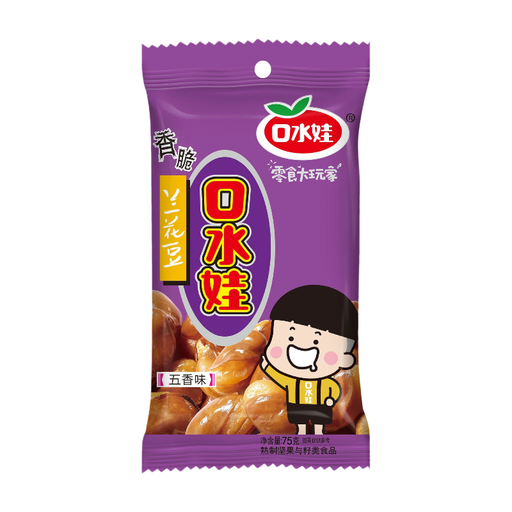
Why this choice suits this profile: The individual packets are ideal for people who regularly snack on five-spice beans, whether at the office, on the move or when catching up with friends.
The 75 g format and individually wrapped packets make it easier to manage portions and limit prolonged exposure to moisture.
Beans described as plump and crunchy, a five-spice seasoning, ready to eat straight away and easy to store.
We’ve selected a comprehensive, real-time updated list of products that meet these exacting criteria, while also taking European safety regulations into account.
Seal the packet carefully or transfer the beans to an airtight container. Keep them in a cool, dry place, away from steam and direct light. If they are exposed to moisture, they are likely to lose their crunch quickly.
The level of chilli, salt content and allergens vary from one recipe to another. Check the labelling, consider the child’s usual eating habits and start with a small amount. Spicy snacks are not necessarily suitable for all palates.
A 75 to 130 g packet will generally be better for sharing than an individual bag. To keep the crunch, only serve what you need and reseal the rest quickly. Also remember to compare the flavour profiles: five-spice, barbecue and chilli don’t offer the same intensity or the same tastes.