
Livraison le jour même ou le lendemain

Qualité garantie

Débloquez vos offres de bienvenue: Livraison GRATUITE | Jusqu'à -80 % | 30 jours d'essai gratuits à JoyPlus
Téléchargez l'application
Spicy Asian snacks appeal with their combinations of chilli, garlic, Sichuan pepper, seaweed and even cheese. But an attractive photo and an “extra hot” label are not enough to choose a product suited to your preferences. From ready-to-eat bites and noodles that require preparation to sauces you can dose to taste, the format, allergens and ingredients can radically change the experience.
Here are the criteria to review before placing an order, along with a selection of products available in France for different uses.
A product marketed as very spicy may simply contain a generous amount of chilli powder without offering much nuance. Conversely, some spicy Chinese snacks combine chilli, garlic, oil, soy sauce and Sichuan pepper for a more layered experience.
Heat is subjective. It varies according to the amount consumed, the presence of fat and your own tolerance. For a first order, an assortment of smaller formats lets you compare different recipes without ending up with several large packets to get through.
A box of 20 individual sachets is not consumed in the same way as a family-sized bag. Packaging affects shelf life, sharing and portion control. Ready-to-eat snacks in individual portions are particularly practical at the office, while travelling or for a snack on the go.
By contrast, a 700 or 750 g packet of noodles contains several portions but requires some preparation. Check the weight of each sachet, not just the total weight displayed on the packaging.
Energy value, salt and sugar content, as well as allergens, should be checked in the nutrition table and ingredients list. The TXH potato noodles, for example, indicate 0 g of fat per 100 g in the information provided, while their seasoning contains chilli oil. The product also lists 2.9 g of salt per 100 g.
This difference between the product base and the seasoning sachet is worth taking into account. It prevents you from drawing a hasty conclusion based on a single marketing claim.
Spicy chips and Asian savoury biscuits generally deliver an immediate kick with a crunchy texture. Finer in texture, spicy roasted seaweed can be enjoyed on its own or served with rice and a meal. Tofu, konjac and spicy wheat gluten snacks focus more on a soft, springy texture that requires more chewing.
Look at the ingredients paired with the chilli:
In France, allergens must be clearly identified on the label. Before buying, check in particular for wheat, soy, milk, sesame, crustaceans, fish, peanuts, celery and molluscs.
Spicy tofu generally contains soy. Spicy instant noodles are often wheat-based and may also contain soy, milk or sesame. Seafood snacks, such as squid or prawn bites, require particular caution in the event of an allergy.
A ready-to-eat product should be suitable for consumption immediately after opening. By contrast, instant tteokbokki or a packet of noodles requires hot water and a few minutes of cooking. Also remember to check:
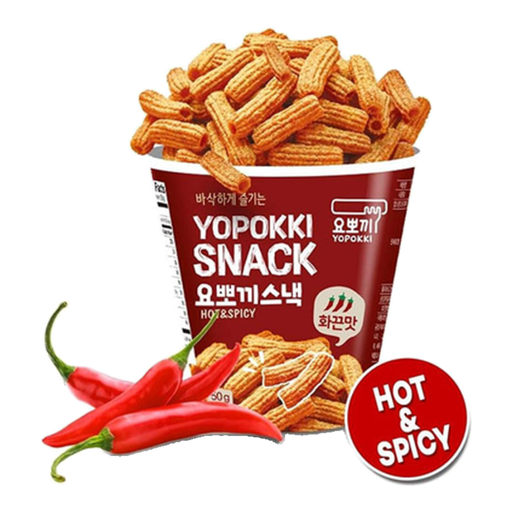
Why this format works: This 50 g portion can be eaten straight from the packet, making it an easy way to discover a spicy Korean flavour without opening a large bag.
The weight per sachet is clearly stated and the product is ready to eat, so there is no risk of confusing the total quantity with the serving size.
Individual 50 g sachet, crunchy texture and declared allergen: cereals containing gluten.
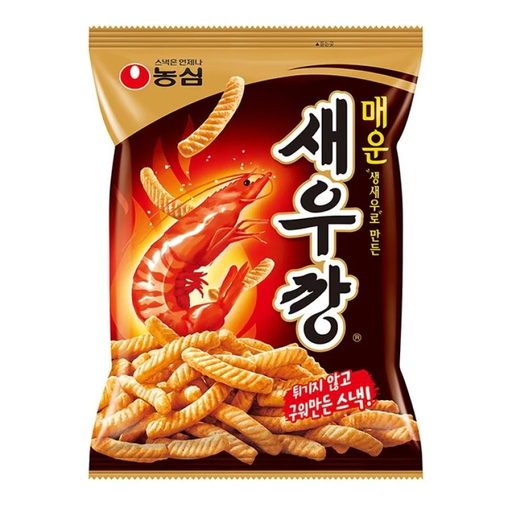
Why this format works: Its prawn flavour and crunchy texture make it an easy choice for drinks with friends or a savoury break.
The ingredients specify the prawn content at 5.7% and detail the allergens, rather than relying solely on a suggestive image.
75 g, 510 kcal and 1.45 g of salt per 100 g according to the information provided; declared presence of wheat, prawn, soy and milk.
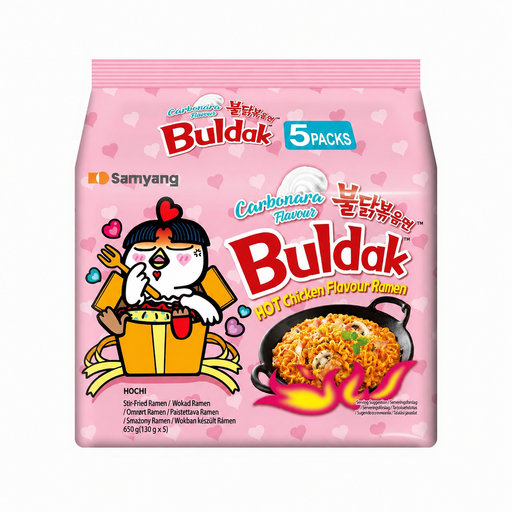
Why this format works: This five-pack suits students, young professionals and households that regularly prepare spicy instant noodles.
The instructions specify the volume of water, cooking time and amount of water to retain, allowing you to adjust the sauce.
Five 130 g sachets, broad noodles, separate sauce and powder; declared allergens: wheat, soy, celery and milk.
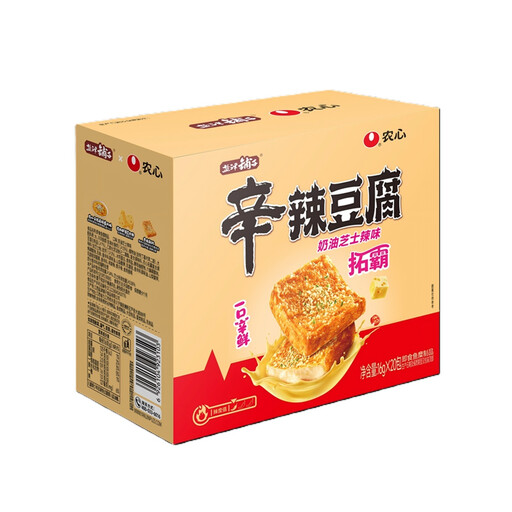
Why this format works: The individual sachets slip easily into a bag and are ideal for sharing at a picnic, during a break or on a games night.
The box states the number of portions and the weight of each sachet, making sharing and storage straightforward.
20 sachets of 16 g, with a soft, springy texture, declared soy allergen and cheese flavour listed in the ingredients.
We have brought together an updated selection of spicy products, with formats and ingredients to compare according to your preferences.
To vary your choices and suit different occasions, several product categories can complement your order:
A small format such as Yopokki Snack Hot & Spicy lets you try a recipe without buying a large multipack. Spicy chips or seaweed may also be suitable if you prefer a crunchy texture.
No. They must be cooked according to the instructions on the packet. Cooking time, the volume of water and the amount of sauce retained directly affect the result. For a snack you can eat immediately, opt for ready-to-eat tofu, wheat gluten, konjac or Asian savoury biscuits.
Store packets in a cool, dry place away from sunlight. Reseal chips and dry snacks carefully after opening. For sauces, follow the label instructions and use them promptly if specified. Frozen products must be kept at the temperature indicated on their packaging.