
Livraison le jour même ou le lendemain

Qualité garantie

Débloquez vos offres de bienvenue: Livraison GRATUITE | Jusqu'à -80 % | 30 jours d'essai gratuits à JoyPlus
Téléchargez l'application
Thrill-seekers know it all too well: finding a great spicy Asian snack can be a real challenge. Between promises of "extreme" heat that are extreme in name only and flavors drowned out by salt, it's easy to get lost. The selection at any online Asian grocery is overwhelming, but how do you distinguish an authentic product from a pale marketing imitation?
As a Product Expert at Joybuy, my mission is to guide you through this jungle of flavors. Here are the most common pitfalls and the criteria to scrutinize to make an informed choice.
The 2 pitfalls to avoid when buying spicy snacks:
To avoid falling into these traps, here are the points to check closely.
The word "spicy" actually hides an infinite palette of flavor profiles in Asia. Understanding these nuances is the first step to finding the perfect snack for you.
The main grain or ingredient plays a crucial role in the crunch and how the flavors are expressed.
To help you see more clearly, here are a few gems that cater to different palates.
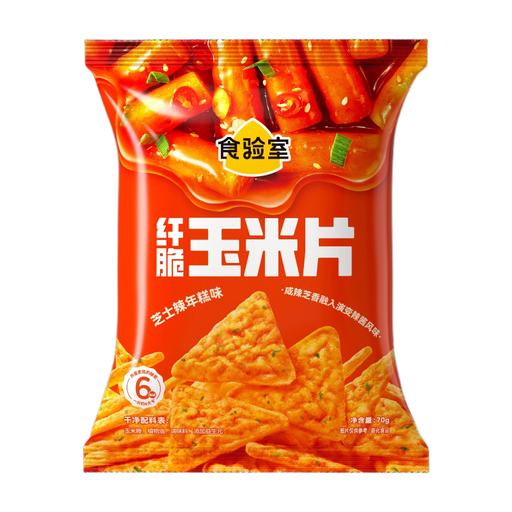
Why we chose it: Perfect for a gentle introduction to Korean spice. The combination of cheese and tteokbokki (spicy rice cakes) flavor creates a delicious and very approachable balance.
It sidesteps the "heat without flavor" trap by pairing moderate warmth with the richness of cheese, offering real depth of flavor.
The cheese tteokbokki-inspired flavor is a fantastic gateway to Korean spicy snacks, much milder than purely traditional options.

Why we chose it: For those who don't mess around with heat. The use of ghost pepper and Sichuan pepper promises an intense experience that is both burning and numbing.
This snack goes far beyond a simple burn. The addition of Sichuan pepper creates a dual sensation (heat and tingling) that makes it complex and unforgettable.
The combination of ghost pepper and the mala profile is rare. It's aimed at connoisseurs looking for a true taste challenge.
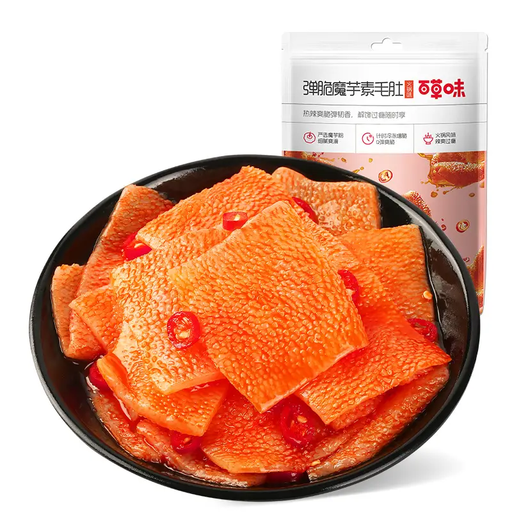
Why we chose it: For those tired of classic chips and crackers. Konjac offers a unique chew that's elastic, firm, and satisfying, completely reinventing the snacking experience.
It shatters the disappointing texture trap by offering a radically different mouthfeel that perfectly absorbs the spicy Sichuan hot pot flavor.
Konjac is naturally very low in calories. It's the perfect option to satisfy a craving for spice guilt-free.
We've curated a complete selection of products that check all these boxes.
Classic heat, like that from cayenne pepper, simply provides a sensation of warmth. The mala (麻辣) heat, which means "numbing and spicy" in Mandarin, combines this warmth with a tingling and slight numbness caused by Sichuan pepper. It's a much more complex and surprising taste experience.
Humidity is their sworn enemy! Once the package is open, the best practice is to transfer the snacks to an airtight container. Store it in a cool, dry place, away from sunlight. Above all, don't leave them in the open bag, even if it's closed with a clip.
Of course! Many snacks are naturally vegetarian, as they are based on rice, wheat, corn, vegetables, or konjac. However, it's always wise to be vigilant: you should always check the ingredient list. Some seasonings may contain chicken or beef flavoring or seafood extracts (like shrimp powder). Products labeled "vegetarian" or those with a short, clear ingredient list are your best bet.