People who regularly use the same seasonings
If your savoury breakfasts often feature eggs, toast or vegetables, a few individual spices let you use the same seasonings without building up a collection of blends you rarely use.


For seasoning eggs, savoury toast or vegetables regularly, start with a few individual spices so you can control the flavour and heat of each one separately. A blend can make morning preparation easier, provided its ingredients, allergens and any salt content suit the dish and the people eating it. Either way, choose a format that suits how often you’ll use it.
If your savoury breakfasts often feature eggs, toast or vegetables, a few individual spices let you use the same seasonings without building up a collection of blends you rarely use.
For an omelette, wrap or dish you can reheat, you might prefer a ready-to-use seasoning. Even so, check its ingredients before relying on it for your usual recipe.
If you need to identify an allergen or want to know exactly what’s in your seasoning, distinguish between an individual spice and a blend, and read the label on the specific product.
First decide whether you want to control each spice separately or enjoy the convenience of a blend. Then check the ingredients and format of the product you choose.
| Criteria | What to check | Who is it for? |
|---|---|---|
| Suitable format | Check the net quantity and choose a container to suit how often you’ll use the spice. | I want to finish the jar before it sits unused for too long. Around 36% of consumers make choosing a suitable format their priority. |
| Quick preparation | Check that a ready-to-use blend contains the ingredients you want for your recipe. | When I make an omelette before heading out, I’d rather not measure out several jars; around 29% of consumers prioritise speed above all else. |
| Ingredients | Read the product name, ingredients list and any allergens highlighted on prepacked food. | If I’m cooking for someone with an allergy, I need to identify the ingredients precisely. Knowing what’s in a product comes first for around 21% of consumers. |
| Flavour and heat | Choose between mild, smoky, herby or spicy flavours, and start with a small amount. | I want to add flavour to eggs or vegetables without making breakfast taste too strong; around 14% of consumers prioritise flavour. |
A larger quantity is only worthwhile if you use the spice regularly in your cooking.
If you’re trying a chilli or a strongly flavoured blend, start with a size you can use up. Save larger containers for seasonings that are already part of your routine.
A jar left unused for a long time may eventually lose the flavour you expect.
Two blends intended for similar dishes may contain different ingredients. The DGCCRF reminds consumers that allergens must be highlighted on prepacked food.
Before seasoning a dish you’re sharing, read the ingredients list and check whether it contains salt and which allergens are listed.
Attractive packaging alone can’t tell you what’s inside. The DGCCRF has reported quality defects and substitutions among some of the spices it has inspected.
Check the name and ingredients of the specific product rather than assuming you know what it contains based on a claim on the packaging.
Ducros offers a range of individual spices, herbs, peppercorns and blends.
Carrefour offers everyday individual spices under this brand, including sweet paprika, dried garlic, cumin and turmeric.
E.Leclerc offers spices and seasonings in this range, including granulated garlic, paprika and herbes de Provence.
ALDI offers spices, aromatic herbs and blends, including products under the PORTLAND®, ASIA GREEN GARDEN® and CUCINA® brands.
These three products are individual spices or seasonings that you can adjust to suit your savoury dish. The two sweet paprikas come in different sizes, while the garlic offers a different kind of seasoning. Choose between them based on the flavour you’re after and how often you’ll use them.
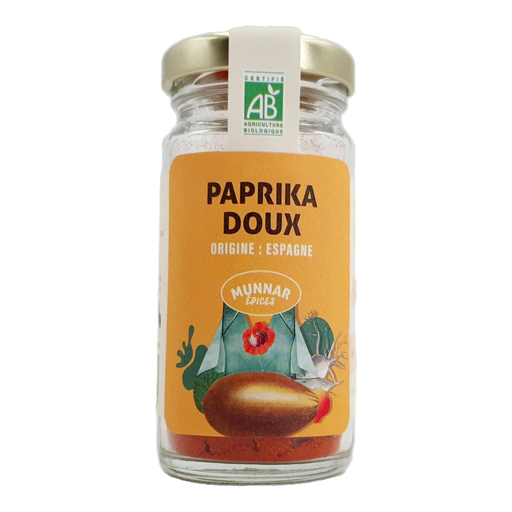 Image unavailable
Worth considering if you want to season an egg dish with sweet paprika, added separately. The jar contains 30 g; check the label if salt content or nutritional information will affect your choice.
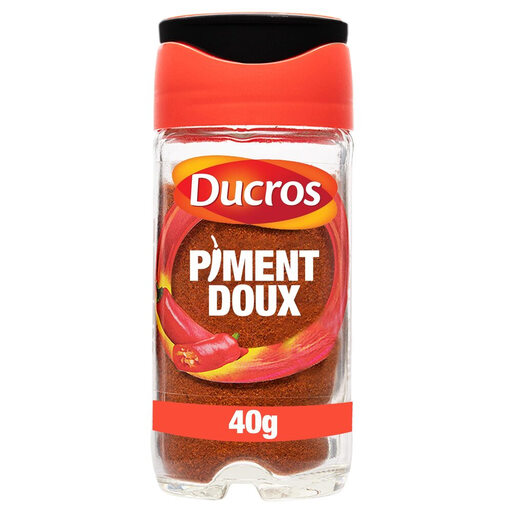 Image unavailable
Consider this if you’re looking for individual sweet paprika rather than a blend, and expect to use a 40 g jar. For a savoury breakfast, make sure this flavour suits the dish you have in mind.
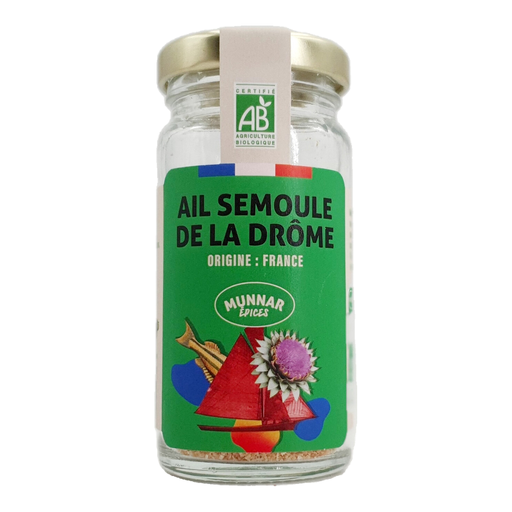 Image unavailable
An option for adding garlic separately to a savoury dish. The product name indicates a 28 g pack of granulated garlic; check the label for the exact form if texture matters for your recipe.
Choose a large jar only for a spice you use regularly. If you’re trying a new flavour or rarely make the dish in question, a smaller size means less is left unused.
Read its name, ingredients list and any highlighted allergens before using it. Also check the net quantity and date information on the packaging. The DGCCRF reminds consumers that food labels must be easy to read.
No, it depends on the two specific products. Check their ingredients lists and, where provided on the packaging, their nutritional information rather than assuming a product contains salt simply because it’s called a “blend”.
No, the presentation or a claim on the jar isn’t enough to establish the quality of its contents. Check the name and ingredients of the product you choose. The DGCCRF has found quality defects and substitutions during inspections of certain spices.