
Livraison le jour même ou le lendemain

Qualité garantie

Débloquez vos offres de bienvenue: Livraison GRATUITE | Jusqu'à -80 % | 30 jours d'essai gratuits à JoyPlus
Téléchargez l'application
Spices of the world let you prepare an Indian curry, a Vietnamese broth, a Mexican salsa or a Creole dish without filling your cupboards with products you rarely use. Yet the choice isn’t always straightforward: between a chilli labelled ‘extra hot’, a very salty blend and a paste that needs refrigerating, each product serves a very specific purpose.
This guide helps you compare international seasonings by their ingredients, format and how to use them – whether you’re a home cook, a fan of foreign cuisine or a catering professional.
A very spicy product isn’t necessarily the most flavourful. Dried chillies, chilli powder and chilli flakes are not used in the same way. A fine powder disperses quickly into a sauce, whereas a whole chilli can be infused, fried or rehydrated.
So look at the product’s form and the usage instructions rather than relying solely on claims like ‘intense’ or ‘authentic’.
Some ready-to-use spice blends and seasonings are particularly salty. This is especially true of several adobos, liquid sauces and marinade preparations. A short ingredients list does not guarantee a low salt content.
To compare products on an objective basis, check the nutritional information per 100 g, then adjust the amount you use in your recipe.
A 50 g or 100 g packet is perfectly fine for occasional use. For a restaurant, a family that cooks regularly or a recipe you make often, a larger pack reduces the risk of running out. On the other hand, a big format can lose its aroma if it stays open for several months in a damp cupboard.
For a single spice, choose one with a clearly stated composition, such as 100 % cumin, 100 % garlic powder, 100 % paprika or 100 % cardamom. For blends, look at the order of ingredients: it generally reflects their proportion, from most to least.
TRS Garlic Powder 100 g, for example, contains 100 % garlic powder. It can be used in a marinade, a curry or a dry rub, with no preparation needed. Seasoning pastes often contain water, oil, salt, acidity regulators or preservatives. These factors are worth considering before you buy.
Whole spices offer a different texture and range of uses compared to powders. Cumin seeds can be toasted or used in a tadka, while ground cumin is stirred directly into a sauce. Green cardamom pods perfume rice, tea and desserts, but are usually removed before serving.
In Asian broths, black cardamom brings smoky, earthy notes. Simply crush it lightly before cooking, then remove it, just as you would with bay leaves.
Choose well-sealed packaging and follow the conditions stated on the label. Most dried spices keep best in a cool, dry place away from light. A ginger and garlic paste usually needs to be refrigerated after opening.
For food products sold in France, check that the essential information is present: product name, net quantity, ingredients, any allergens, best-before date and the contact details of the responsible party established in the European Union where applicable. The information on the packaging remains the reference.
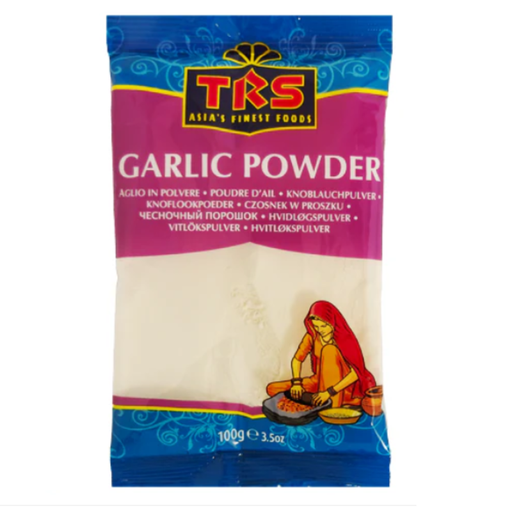
Why this choice suits this profile: At 100 g, this format lets you discover a versatile spice without investing in a full set. Garlic powder is easy to measure into sauces, marinades and everyday dishes.
Its ingredients are limited to 100 % garlic powder, with no salty blend that could throw off your measurements.
A compact format, simple ingredients and versatile use in both Indian and European recipes.
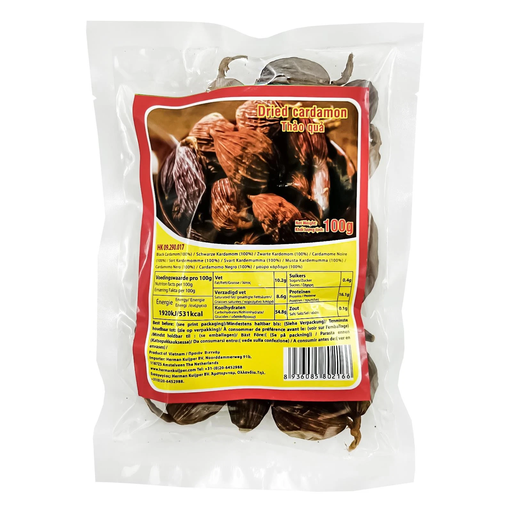
Why this choice suits this profile: Cooks seeking complex flavours can use this black cardamom in a pho, a broth or a slow-cooked dish.
The whole pods let you control the intensity and remove them before serving, rather than having to measure a powder that is harder to manage.
A 100 g bag of whole black cardamom, ideal for broths, stews and spice blends.
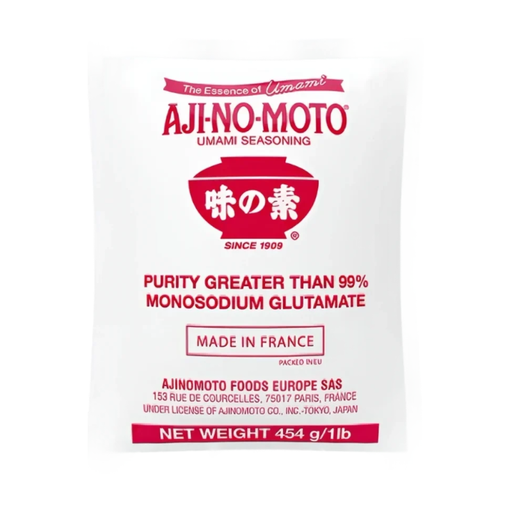
Why this choice suits this profile: At 454 g, this pack is suitable for kitchens that use monosodium glutamate regularly in soups, sauces and Asian dishes.
The stated ingredients are 100 % monosodium glutamate. Its dosage can therefore be adjusted independently of salt and other spices.
A professional-size format, storage at room temperature and a label recommending moderate use.
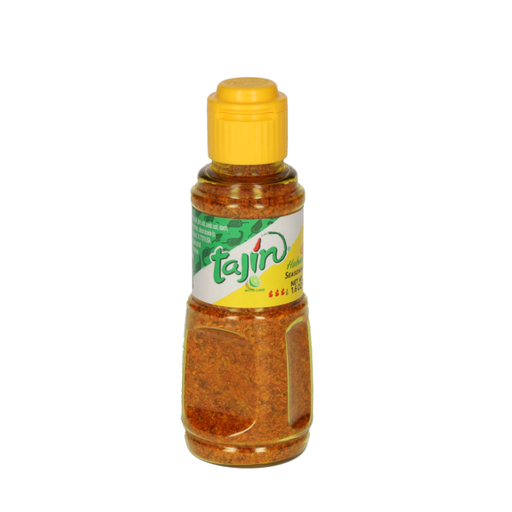
Why this choice suits this profile: Its blend of habanero chillies, red chilli, salt and dehydrated lime juice accompanies grilled meats, fish, soups and salsas.
At 45 g, this format limits exposure to moisture and lets you start with small amounts, especially given its salt content.
A tangy, spicy profile, detailed ingredients and use both in cooking and at the table.
We have compiled a complete, real-time updated list of products that fully meet these strict selection criteria and European safety regulations.
A basic selection could include cumin, paprika, garlic powder, bay leaves and a chilli powder. Then add a ginger and garlic paste for South Asian recipes, cardamom for drinks and desserts, and finally a blend suited to the cuisine that interests you.
Dried chillies can be used whole, rehydrated or ground into a paste. Chilli powder generally delivers a more direct heat and blends in quickly. Paprika is often chosen for its colour and its mild or smoky notes, depending on the variety. In every case, check the ingredients on the label.
Choose a format that matches how much you use, limit exposure to air and light, and store products in a dry place. Whole spices, such as cumin seeds or cardamom, often retain their aromatic profile for longer when kept in their original form.