
Livraison le jour même ou le lendemain

Qualité garantie

Débloquez vos offres de bienvenue: Livraison GRATUITE | Jusqu'à -80 % | 30 jours d'essai gratuits à JoyPlus
Téléchargez l'application
Essential for protecting your skin daily, SPF day cream has become a bathroom staple. But with shelves overflowing with promises, how do you find your way? As a product expert at Joybuy, my mission is to help you decode labels and outsmart the marketing claims that often lead to an unsuitable purchase.
Before you start shopping, watch out for these 3 common pitfalls:
To ensure you choose a product that's right for you, keep these three benchmarks in mind.
The Sun Protection Factor (SPF) measures a product's ability to filter UVB rays, the main cause of sunburn. The right choice depends on your lifestyle:
While UVB rays burn, UVA rays age the skin. The latter penetrate deeper, breaking down collagen and are the primary cause of premature skin ageing (wrinkles, loss of firmness). A good anti-ageing SPF cream must therefore offer "broad-spectrum" protection. In Europe, the presence of the UVA logo inside a circle on the packaging guarantees that the UVA protection is at least one-third of the indicated UVB protection.
A product with SPF is still, first and foremost, a skincare product. Its primary mission is to meet the specific needs of your skin.
To illustrate this advice, here are a few products that tick all the boxes, each addressing a specific need.
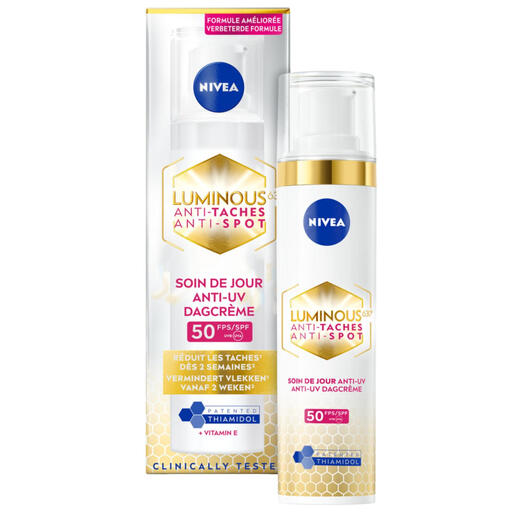
Why we chose it: This cream is designed for those whose main concern is hyperpigmentation. It combines very high sun protection, essential for preventing new spots, with a targeted active ingredient.
Its SPF 50 isn't just a marketing claim; it's essential for its preventive anti-spot action, which is at the core of the formula.
The brand highlights its patented LUMINOUS630 ingredient, which is said to act on existing pigmentation to lighten dark spots. The formula is enriched with Hyaluronic Acid.
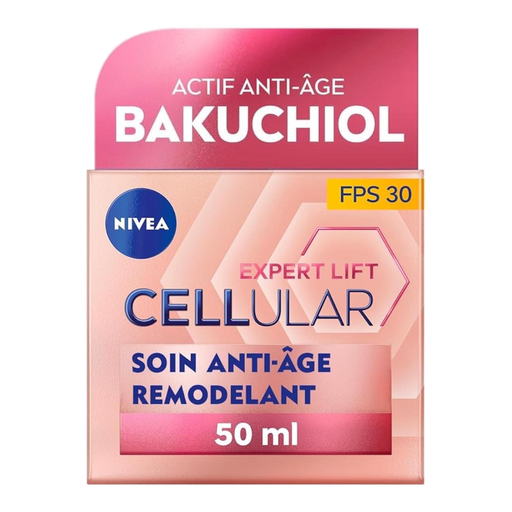
Why we chose it: Perfect for mature skin seeking a dual action on firmness and wrinkles, coupled with effective daily sun protection to slow down skin ageing.
Rather than a vague "anti-ageing" promise, this cream offers a targeted solution with recognised active ingredients (Bakuchiol, Hyaluronic Acid) and a relevant SPF 30 for daily use.
It contains pure Bakuchiol, a plant-based alternative to Retinol that is said to stimulate collagen production (in vitro test), and Hyaluronic Acid to plump and smooth the skin.
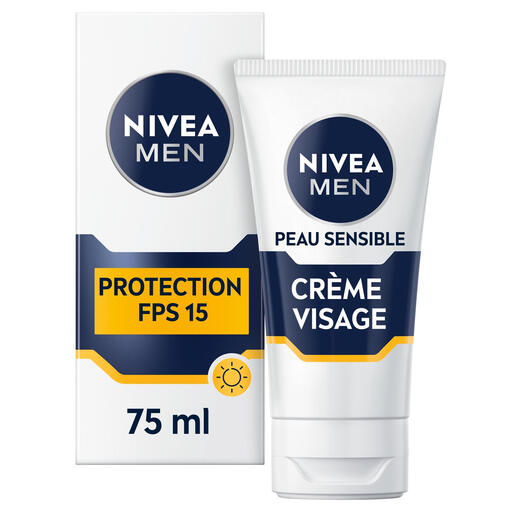
Why we chose it: This men's SPF face cream targets classic male concerns: skin easily irritated by shaving, a tendency to shine, and the search for a non-sticky texture. It soothes while providing basic protection.
It doesn't fall into the "one-size-fits-all" trap by specifically addressing the needs of sensitive male skin with a suitable formula that leaves no greasy residue.
Its formula is alcohol-free (ethyl alcohol) to avoid irritating the skin. It is enriched with Chamomile extract and Vitamin E to soothe and provide lasting hydration.
Explore our full selection of products that meet our selection criteria and current regulations.
It's best to avoid it. At night, sun filters are not only useless but can also feel heavy on the skin or clog pores for some people. Opt for a specific night cream instead, designed for cell regeneration and formulated without SPF.
For a typical day at the office, your SPF 30 day cream is sufficient. However, if you're planning prolonged and intense exposure (hiking, a day at the beach, a long lunch in the sun), it's essential to switch to a proper sunscreen and reapply it every two hours for flawless protection.
There are two main families of sun filters:
The final choice will depend on your skin's sensitivity and your texture preferences. Today, many formulas combine both types of filters to blend efficacy, tolerance, and a pleasant user experience.