
Livraison le jour même ou le lendemain

Qualité garantie

Débloquez vos offres de bienvenue: Livraison GRATUITE | Jusqu'à -80 % | 30 jours d'essai gratuits à JoyPlus
Téléchargez l'application
Whether you're a coffee enthusiast seeking the perfect extraction, a meticulous DIYer, or an amateur mechanic, equipping yourself with specialised tools is often the key to taking your craft to the next level. However, the market is flooded with products whose tempting promises can quickly turn into costly disappointments. Knowing how to distinguish a high-performance tool from a marketing gimmick is therefore essential. This guide breaks down the decisive criteria for making an informed choice.
Before diving into technical specifications, it's best to be aware of the most common mistakes that can compromise the quality of your work and the durability of your investment.
To be certain your purchase is a sound one, focus on a few non-negotiable technical aspects. These objective criteria will help you assess a product's true value, beyond its appearance.
The choice of material is the primary indicator of a tool's durability.
For measuring tools and precision instruments, the quality of manufacturing is paramount.
A good tool should be comfortable to use and suited to your work environment.
Here are a few top picks that meet specific needs, selected according to the quality and functionality criteria we've just discussed.
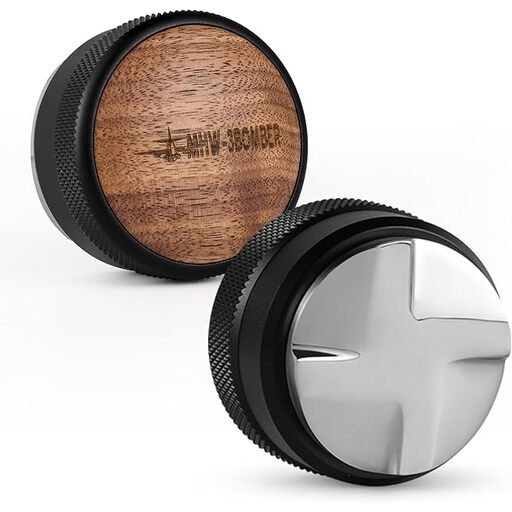
Why we chose it: For the enthusiast looking to master the art of espresso, this tool helps achieve a perfectly level bed of grounds, which is essential for an even extraction without "channelling."
Its 304 stainless steel base and substantial weight (550 g) set it apart from lightweight, ineffective gadgets. Its height is adjustable, allowing it to adapt to different coffee doses and avoiding the trap of an incompatible tool.
The wedge-shaped design of the base ensures an efficient and uniform distribution of the grounds, reducing extraction flaws for a more consistent and flavourful result in the cup.
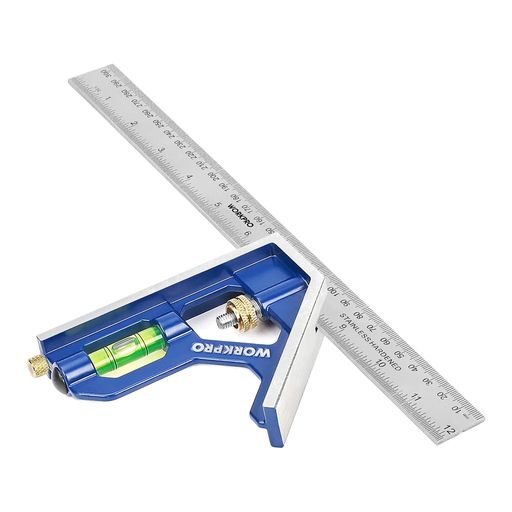
Why we chose it: A staple of **woodworking tools**. It is indispensable for scribing lines, measuring 45° and 90° angles, checking for flatness, and transferring measurements accurately.
The combination of a stainless steel ruler and a zinc alloy head protects against rust and deformation, ensuring lasting accuracy. It doesn't fall into the "false versatility" trap because its functions (level, scriber) are integrated in a useful and functional way.
The clear metric and imperial graduations and the spring-loaded locking system allow for easy and reliable adjustment of the ruler, for precise measurements and markings every time.
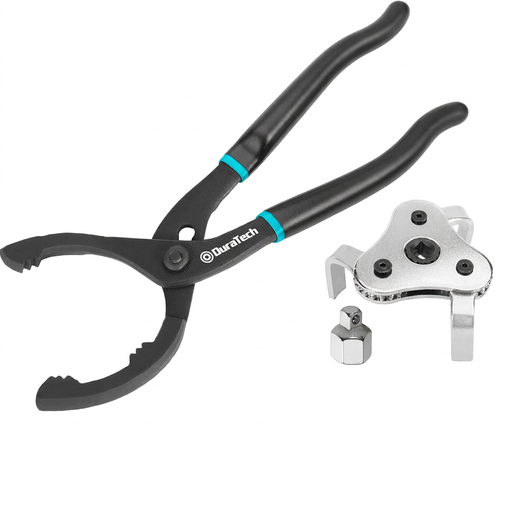
Why we chose it: An essential tool for performing your own vehicle oil change. These pliers allow you to loosen oil filters, which are often stuck and hard to access, without damaging them.
Made from hardened steel, it provides the necessary robustness to avoid bending under force. Its wide compatibility range (63 to 103 mm) allows it to fit most vehicles, avoiding the single-use tool trap.
The forged jaws with gripping teeth ensure a firm hold even on smooth, oily surfaces. The long 300 mm handle provides excellent leverage for effective loosening.
We have put together a complete selection of products that meet our quality criteria and current safety standards.
Simple but regular maintenance is key. After each use, clean your tools with a dry cloth to remove dust, shavings, or residue. For tools that come into contact with liquids (oil, water), ensure they are completely dry before storing them. Storing them in a dry place, away from moisture, will prevent rust and preserve precision mechanisms.
Absolutely. For specialised tools, it's a non-negotiable criterion. A coffee machine accessory must match the exact diameter of your portafilter. Likewise, an oil filter wrench must cover the diameter of your car's filter. Checking this information before purchase will save you from returns and the frustration of having an unusable tool.
It depends on the use case. For an occasional DIYer with limited storage space, a good quality multi-tool can be a practical solution. However, for frequent or semi-professional use, a tool dedicated to a single task will almost always guarantee better performance, greater precision, and increased durability. The important thing is to ensure that the tool's primary functions are not compromised by its versatility.