Hosts who want to serve drinks without interrupting the game
If players help themselves, small sparkling drinks mean you don’t have to keep filling glasses between turns. A large bottle is still an option if your group prefers to share.


To serve drinks without interrupting the game, choose small, ready-to-open sparkling fruit drinks; a sharing bottle is a better option if everyone has a glass. If you specifically want mixed fruit juice, mix it with water that has already been carbonated rather than assuming a fruit-flavoured drink is juice. Check the ingredients and, for guests who need to avoid alcohol, the details for the exact product: kombucha is a separate fermented drink.
If players help themselves, small sparkling drinks mean you don’t have to keep filling glasses between turns. A large bottle is still an option if your group prefers to share.
When choosing between fruit-flavoured drinks, compare the product description, ingredients, stated juice content and sugars per 100 mL. A fruity taste alone doesn’t tell you whether it’s mixed fruit juice.
A sparkling fruit drink and a kombucha may not meet the same requirements. Check the alcohol content or any traces listed for the exact product before serving it.
First decide whether you want ready-to-serve portions, a sharing bottle or a mix of mixed fruit juice and sparkling water. Fruity kombucha is a separate category, so check its ingredients and fermentation separately to make sure it’s suitable for your guests.
| What to consider | What to check | Who might prioritise it? |
|---|---|---|
| Serving at the table | The number and volume of individual containers, or the size of the sharing bottle. | If everyone should be able to grab a drink without waiting for someone to fill a glass, the format matters most; around 36% of consumers prioritise ease of serving. |
| Ingredients and sugars | The product description, ingredients, stated juice content and sugars per 100 mL, then per serving. | To compare what drinks actually contain, I look beyond their fruity flavour; around 29% of consumers put ingredients and sugars first. |
| Alcohol content | The alcohol by volume and any statements about traces on the exact product, particularly for sparkling drinks or kombucha. | If a guest needs to avoid alcohol, I can’t rely on the drink’s name alone; around 21% of consumers put suitability first. |
| A recipe you can adjust | Mixed fruit juice to add separately to water that has already been carbonated, with suitable glasses or a jug for serving. | If guests don’t all want the same level of fruitiness or fizz, I prefer to mix it to taste when serving; around 14% of consumers prioritise this flexibility. |
A sparkling drink with fruit juices isn’t necessarily pure mixed fruit juice. The MAISON PERRIER pineapple and mango product listed by Auchan contains 17.2% fruit juice from concentrate.
Read the product description and ingredients list rather than choosing based on the fruit shown on the packaging.
A Listel Framboise product listing from Carrefour Ma Cave states less than 0.5% vol.; the Auchan listing for UCHA mango and passion fruit kombucha mentions traces of alcohol below 1.2% vol. These details apply to different products.
If a guest needs to avoid alcohol completely, check the label on the product you plan to serve. Don’t assume the figure for one variant applies to another.
SodaStream says to carbonate water only, then add the syrup or concentrate afterwards. Reversing the order can cause an overflow or damage the machine.
Carbonate the water on its own, then add the mixed fruit juice to your glass or jug.
A figure given per 100 mL doesn’t necessarily reflect how much you’ll drink during a game.
Compare the “of which sugars” line in the nutritional information on the same basis, then calculate it for the volume you plan to serve.
A sparkling fruit juice drink in a pack of 4 × 25 cL, worth considering if guests will each have their own container.
Sparkling fruit drinks in 75 cL bottles to consider for sharing.
A sparkling mango and passion fruit kombucha in a 75 cL bottle, for anyone looking for a fermented tea drink rather than mixed fruit juice.
These ready-to-serve drinks offer fruity flavours in cans or a small bottle. The two canned options let you serve several individual drinks; if you specifically want mixed fruit juice, check each product’s description and ingredients.
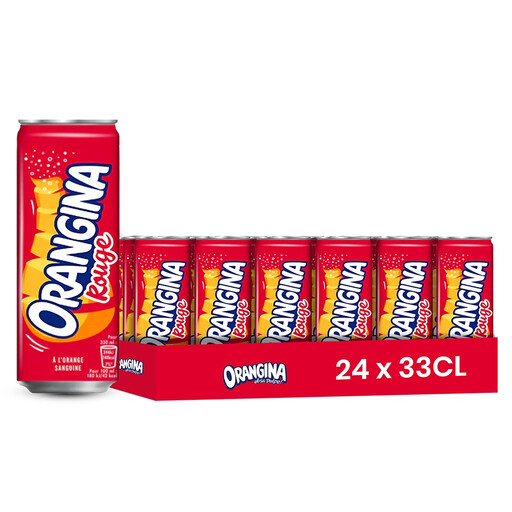 Image unavailable
For cans to share around the table: a pack of 24 330 ml cans in orange and red berry flavours.
If mixed fruit juice content matters to you, check the product description and ingredients on the label.
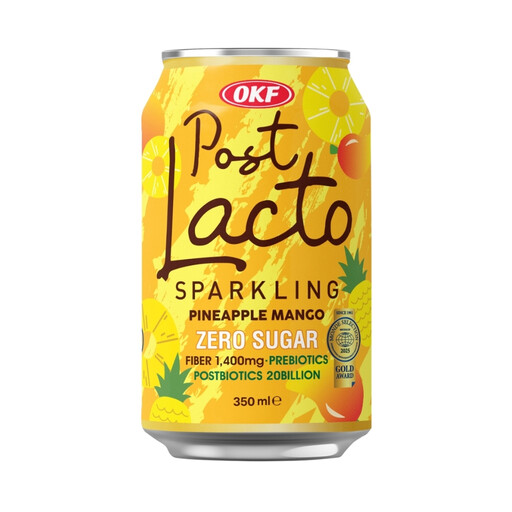 Image unavailable
A 350 ml bottle of sparkling pineapple and mango drink, rather than a can.
If the type of drink or sugar content matters to you, compare its product description, ingredients and nutritional information.
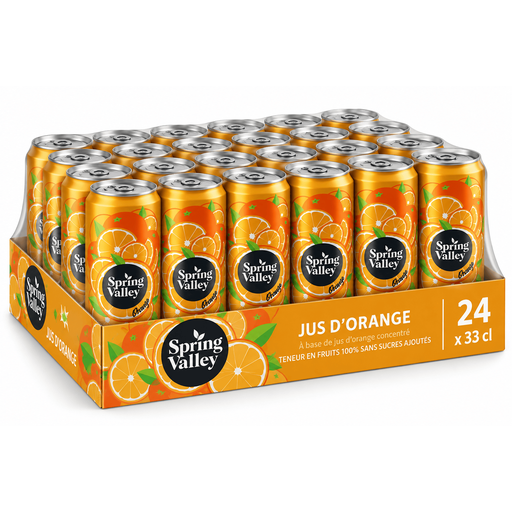 Image unavailable
For individual servings: a pack of 24 330 ml cans in an orange flavour.
An orange flavour on its own won’t meet the brief if you’re looking for a mixed fruit drink, so check the type of drink you want before choosing.
No. Look for a statement that it’s carbonated if you want bubbles. A sparkling drink made with fruit juices isn’t automatically pure mixed fruit juice; check the product description and ingredients to tell the difference.
No. SodaStream says to carbonate water on its own, then add the juice or concentrate afterwards. Adding a flavoured drink before carbonation can cause an overflow and damage the machine.
Don’t assume it guarantees 0.0% for every sparkling fruit drink. Carrefour Ma Cave lists a Listel Framboise variant at less than 0.5% vol. If your guests need to avoid alcohol completely, check the information on the exact bottle.
First compare the product description and ingredients to find out what type of drink you’re buying, then check the container size. To choose between recipes, look at sugars per 100 mL and the volume you’ll actually serve. Also check the listed allergens and, if needed, any statements about alcohol.