
Livraison le jour même ou le lendemain

Qualité garantie

Débloquez vos offres de bienvenue: Livraison GRATUITE | Jusqu'à -80 % | 30 jours d'essai gratuits à JoyPlus
Téléchargez l'application
Choosing a sparkling wine online isn't just about falling for a pretty label. Champagne, crémant, prosecco, flavoured sparkling wine or alcohol-free alternatives: the taste, production method and sugar level can completely change the experience at the table.
Three mistakes crop up time and again when placing an order:
The wording on the label gives you an initial idea of the mouthfeel. A champagne brut or a crémant brut is generally low in sugar, with a dominant freshness. Sweeter, demi-sec sparkling wine pairs well with dessert and appeals to those who enjoy fruity profiles.
Be careful with prosecco, though: contrary to what its name might suggest, the term Extra Dry does not mean "very dry" in the everyday sense. It is a regulated dosage category, usually sweeter than a brut. So when buying online, it's best to check the product page and label rather than stopping at the word "dry" alone.
Champagne benefits from a protected designation of origin and must be produced in a defined area, according to very precise specifications. Crémant is also governed by a regional appellation, such as Crémant de Bordeaux, Crémant de Bourgogne or Crémant d'Alsace. The Calvet AOP Bordeaux Crémant Blanc de Noirs, for example, is presented as being made using the traditional method.
Prosecco and Asti Spumante are two Italian specialities with very different profiles. Asti Spumante, often made from Muscat, stands out for its expressive aromas and sweetness, with an alcohol level sometimes lower than that of champagne. Sparkling wines without a specific appellation can offer a more accessible approach, or even flavoured recipes.
The 75 cl bottle remains the classic format for a group aperitif or a celebratory meal. For a more intimate occasion, also consider checking whether smaller formats are available.
An unopened bottle should be stored away from heat, humidity and light. The serving temperature depends on the product, but sparkling wines are generally best enjoyed well chilled. Once opened, reseal with a suitable stopper, place in the fridge and drink promptly to preserve the bubbles as much as possible.
Most references contain sulphites, which must appear in the allergen information. Alcoholic drinks are for adults only. Alcohol is not recommended during pregnancy and should never be consumed before driving.
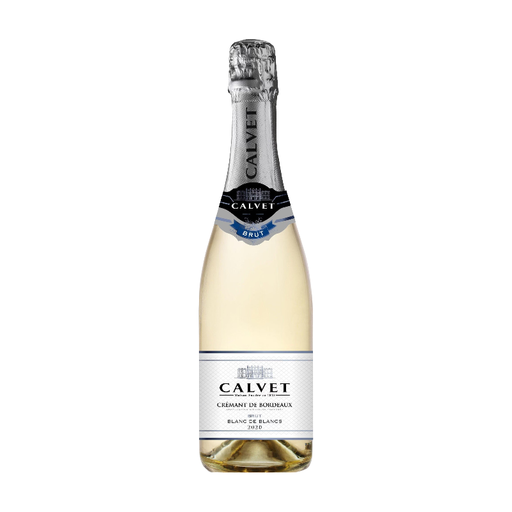
Why this choice is relevant: This 75 cl Crémant de Bordeaux has a brut profile, with notes of brioche and candied fruit. It works equally well as an aperitif or with dessert.
The appellation, brut dosage and presence of sulphites are clearly stated. So it's hard to be guided solely by the bottle's design.
An AOP Crémant de Bordeaux in a brut style, with a pale yellow robe and a texture described as supple and creamy.
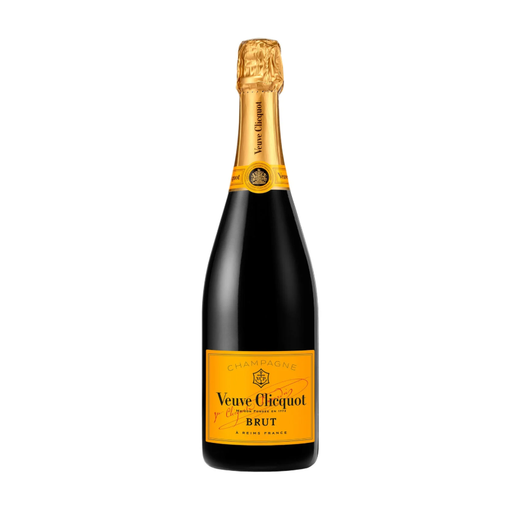
Why this choice is relevant: This brut champagne cuvée is suitable for a gift, a reception or a meal where the Champagne appellation takes centre stage.
The product page details the announced blend, based on pinot noir, meunier and chardonnay, as well as the storage conditions: between 10 and 12 °C, away from light.
An A.O.P. appellation, a brut style, a 75 cl bottle and a profile described as a balance between finesse and power.
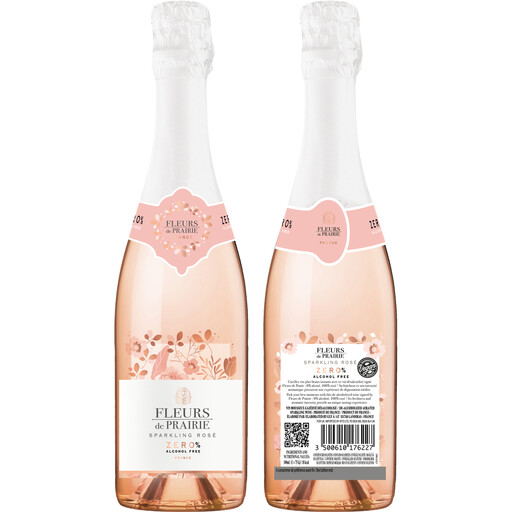
Why this choice is relevant: This alcohol-free sparkling rosé drink is ideal for meals where some guests wish to avoid alcohol without giving up the celebratory feel of serving fizz.
The stated alcohol level is 0 % vol. The product page therefore clearly distinguishes this reference from an alcoholic sparkling wine.
A French rosé in 75 cl, with announced aromas of lemon and red fruits, to be served between 8 and 10 °C.
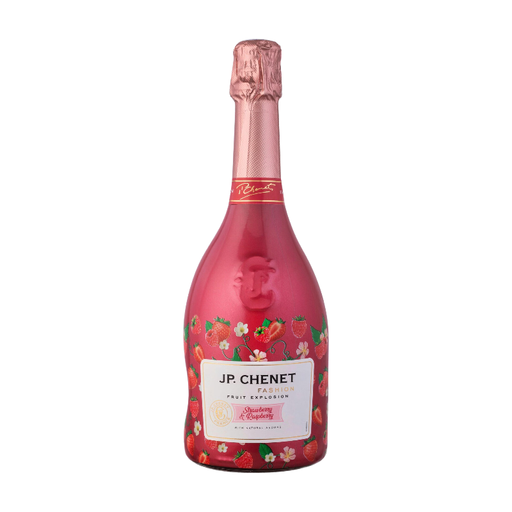
Why this choice is relevant: With its announced notes of strawberry and raspberry, this cuvée pairs easily with a fruity aperitif or a chocolate dessert.
The product page specifies that this is a flavoured sparkling wine, with an ABV of 12 % vol. and containing sulphites.
A raspberry-pink robe, fine bubbles, a 75 cl format and a profile dominated by red fruits.
We have put together a comprehensive list, updated in real time, of products that meet these demanding selection criteria and European safety regulations.
Champagne is produced in the Champagne region and benefits from its own appellation. Crémant is a sparkling wine covered by a regional appellation, such as Crémant de Bordeaux or Crémant de Bourgogne. The mouthfeel then depends on the grape variety, the dosage and the expertise of each house.
An opened bottle should be kept in the fridge, sealed with a stopper designed for sparkling wines. The bubbles and freshness will fade over the hours, though. Ideally, drink it within one to two days, following any instructions that may appear on the packaging.
Choose a reference that clearly states 0 % vol. or the words "alcohol-free", for example a dealcoholised rosé. Still, remember to check the product page and label: the ingredients, the presence of sulphites and the nutritional values can vary between references.