
Livraison le jour même ou le lendemain

Qualité garantie

Débloquez vos offres de bienvenue: Livraison GRATUITE | Jusqu'à -80 % | 30 jours d'essai gratuits à JoyPlus
Téléchargez l'application
Buying sparkling waters and soft drinks online seems straightforward… until you have to compare bottles, cans, flavours and nutrition tables. A sparkling mineral water for the dinner table doesn’t meet the same needs as a flavoured water to take on the go, or a vitamin-enriched drink to fuel a busy day.
French shoppers often fall into the same traps:
For a sparkling water in a bottle, check its source, the presence of carbon dioxide and its mineral composition. Calcium, magnesium, sodium and bicarbonates are usually listed in mg/litre. This information helps you compare different waters, though it doesn’t mean one mineral profile will suit everyone.
For a flavoured water or fruit drink, start by looking at the carbohydrate and sugar content per 100 ml, then relate it to the volume you’ll actually drink. A 50 cl bottle contains five times the amounts shown for 100 ml. A low-calorie drink can still be sweet, while a sugar-free drink may contain sucralose, acesulfame-K or another sweetener.
The fine bubbles of a sparkling mineral water work well with a meal, whereas a more pronounced fizz is better enjoyed very cold, straight from the fridge. It’s all down to personal taste, of course, but the container size also affects storage: an opened bottle gradually loses its fizz and should generally be kept in the fridge.
Cans of 25 to 33 cl slip easily into a bag or are perfect for a picnic. Bottles of 1 l or more reduce the number of packs to store at home, but are less convenient to carry.
Always compare:
A damaged bottle or can should not be consumed. For flavoured and vitamin drinks, follow the storage recommendations for the fridge and the consumption time after opening. The information on the product page should be checked against the label you receive, especially if the recipe or packaging has changed.
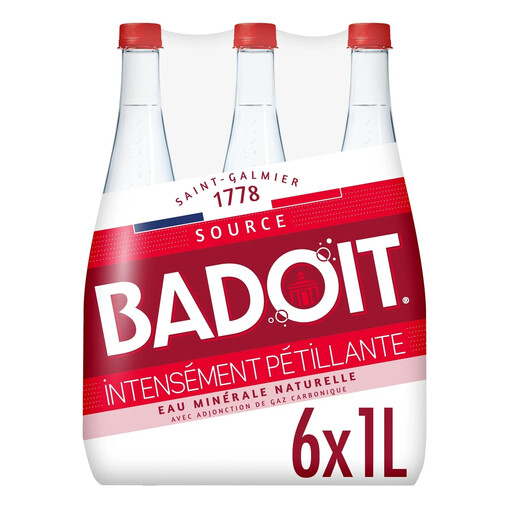
Why this choice suits this profile: With its six one-litre bottles, this pack works well at home, in the office or for meals with several people. Its volume is easy to compare against the price shown.
The page shows a sparkling mineral water with no sugars or calories: there’s no mistaking fizz for a sugary drink.
1 l bottles, a stated French origin and a detailed mineral composition on the product page.
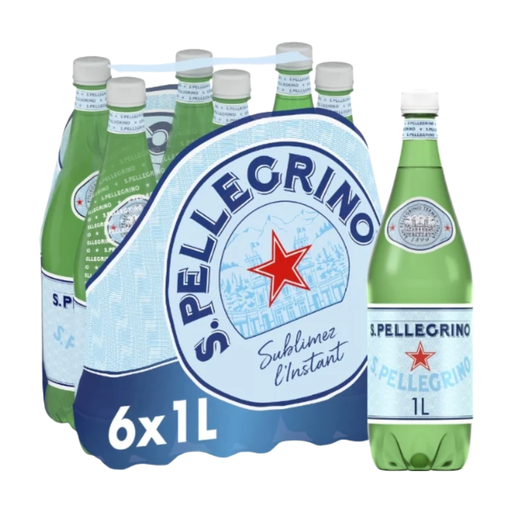
Why this choice suits this profile: Its table-friendly format and detailed mineral composition naturally fit around a meal where the taste of the water matters as much as its presentation.
The label distinguishes natural mineral water from added carbon dioxide, rather than relying solely on a flavour promise.
One-litre bottles and stated levels of calcium, magnesium, sodium and bicarbonates.
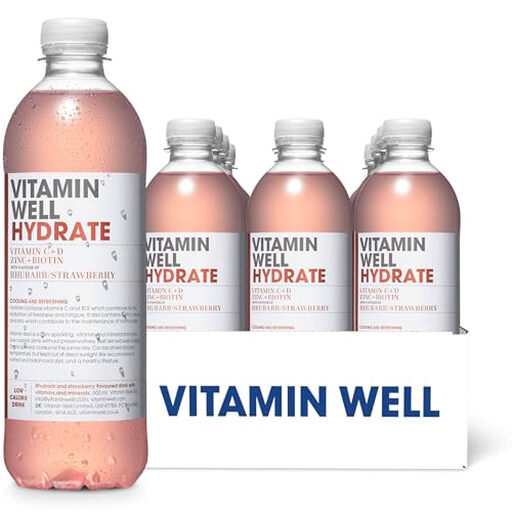
Why this choice suits this profile: The 12 bottles of 50 cl are easy to share out at the office, on the move or during sport, without the hassle of a large container.
The page states 16 kcal per 100 ml and 19.5 g of carbohydrates per 500 ml. That lets you measure the real intake, rather than just remembering the word “hydrate”.
A rhubarb-strawberry flavour, vitamins C, E and B12, biotin and zinc listed in the ingredients, for a total pack volume of 6 litres.
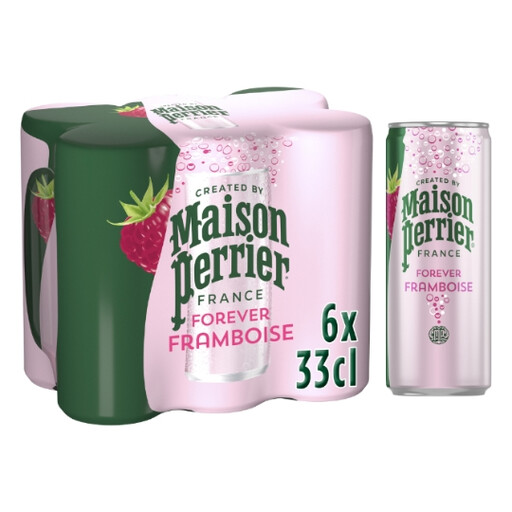
Why this choice suits this profile: The 33 cl cans fit easily into a shared fridge, a picnic bag or a desk drawer.
The page shows 0 g of sugars, 0 kcal and no sweeteners. The ingredients list is limited to sparkling mineral water and natural raspberry flavourings.
Single servings, a fruity flavour and a total volume of 1.98 l, ideal for spreading out your consumption.
We’ve put together a complete, real-time updated selection of products that meet these exacting standards, in line with European safety regulations.
Natural sparkling water comes from a source and naturally contains carbon dioxide, according to the category stated on the label. Sparkling mineral water, on the other hand, may have added carbon dioxide. The regulatory statement and the composition on the bottle let you tell them apart.
No. “Sugar-free” and “sweetener-free” refer to two very different characteristics. A drink may contain no sugar while including sucralose or another sweetener. Before you buy, the ingredients list is still your best check.
It depends on the product. A sparkling water mainly loses its fizz over time, whereas a flavoured water or vitamin drink may need to be kept in the fridge and consumed within 24 to 72 hours. Always follow the instructions on the packaging.