
Livraison le jour même ou le lendemain

Qualité garantie

Débloquez vos offres de bienvenue: Livraison GRATUITE | Jusqu'à -80 % | 30 jours d'essai gratuits à JoyPlus
Téléchargez l'application
Sparkling and fizzy water is now available in individual bottles, large formats, family packs and flavoured versions. That makes it easy to find something you’ll love… but it also makes comparisons trickier. Between a sparkling mineral water, a fruity fizzy drink and a sugar-free flavoured water, the differences in ingredients, taste and use can be considerable.
Before you fill your basket, there are three pitfalls to avoid:
For a sparkling water to enjoy with everyday meals, go for a short ingredients list: water, carbon dioxide and, depending on the product, naturally occurring minerals. A sugar-free sparkling water will typically show 0 g of sugars per 100 ml in its nutritional table. That doesn’t necessarily mean it’s free from sweeteners, though.
Flavoured drinks deserve a closer look. For example, the drink Hao Water Plum Delight contains at least 10% bayberry juice, erythritol and steviol glycosides. It shows 0.5 g of sugars and 6 kcal per 100 ml. By contrast, some Pokémon or SpongeBob fruity drinks contain glucose-fructose syrup and around 11 g of sugars per 100 ml.
In other words, the word “fruity” mainly describes the drink’s flavour profile – it doesn’t automatically tell you about its nutritional value.
A natural mineral water differs from a flavoured sparkling water in its origin and the stability of its mineral composition. The product page should list its key minerals, such as calcium, magnesium, sodium, bicarbonates or dry residue.
San Pellegrino, for example, shows 164 mg/l of calcium, 49.5 mg/l of magnesium and a dry residue of 854 mg/l. These figures let you compare waters objectively, without turning their composition into a medical claim.
When choosing a sparkling water to serve with a meal, it really comes down to the fineness of the bubbles, the level of chill you prefer, and how well it pairs with your food. On the go, a 50 cl bottle or a 33 cl can will naturally be easier to carry.
The right size depends mainly on how you’ll use it:
Once opened, reseal the bottle and put it in the fridge. Drink it promptly to keep as much fizz as possible. Unopened products should be stored in a cool, dry place away from sunlight. Glass bottles offer a more refined serving experience, while PET and cans are generally easier to transport.
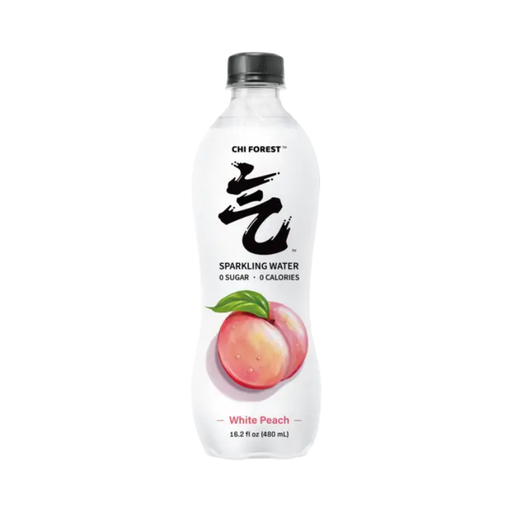
Why this choice suits this profile: its 480 ml size is ideal for individual consumption, while its peach flavour offers an alternative to heavily sweetened fizzy drinks.
The nutritional table shows 0 g of sugars, 0 kcal and 0 g of carbohydrates per 100 ml. However, the presence of sweeteners is still something to bear in mind.
A white peach flavour, a 480 ml size, and the option to serve it well chilled or use it as a base for non-alcoholic cocktails.
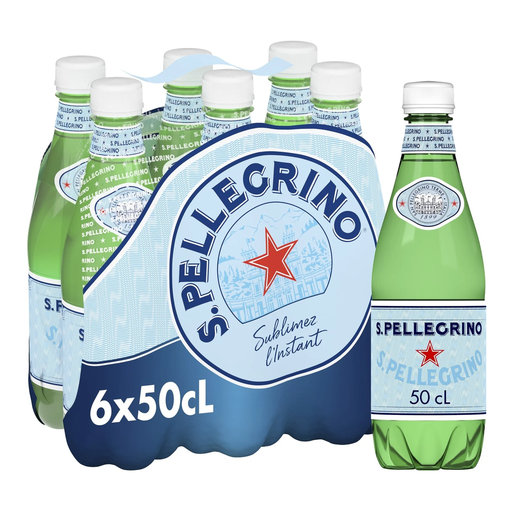
Why this choice suits this profile: this Italian sparkling water, available in 50 cl bottles, fits perfectly at the dinner table, in the office or at a reception.
The product page clearly states it is a natural mineral water, with no added sugar or flavourings, and details its mineral composition.
An Italian origin, fine bubbles and a handy individual size for serving at the table.
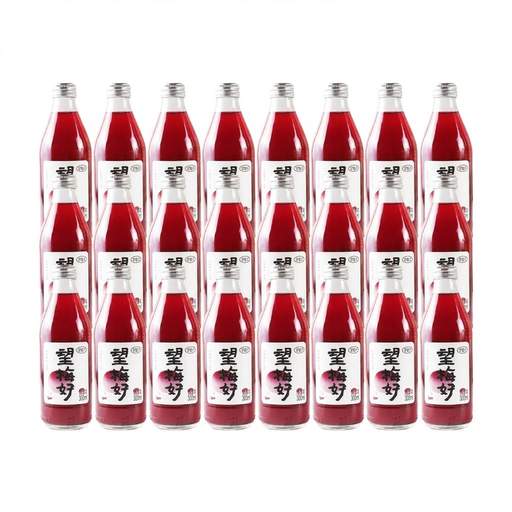
Why this choice suits this profile: its case of 24 glass bottles is ideal for households, offices, group meals and small events looking for a ready-to-serve fruity drink.
The product page states the minimum juice content, sugar level and presence of sweeteners – enough information to tell this drink apart from a standard mineral water.
24 glass bottles of 300 ml, at least 10% bayberry juice, 0 g of fat and 6 kcal per 100 ml.
We’ve put together a full, real-time selection of products that meet these exacting standards, in line with European safety regulations.
Choose a sparkling mineral water if you’re after a neutral, sugar-free drink that’s easy to serve with meals. A fruity fizzy drink will better satisfy a craving for flavour: peach, grape, citrus, lychee or bayberry. For children and collectors, a Pokémon sparkling water might also appeal thanks to its packaging. But keep an eye on the ingredients – some options are sugar-free, while others contain syrup and more than 10 g of sugars per 100 ml.
Yes. Once opened, the carbon dioxide gradually escapes. So reseal the bottle straight away and put it in the fridge. Smaller sizes also help reduce the time between opening and drinking.
A pack of six 50 cl bottles is good for moderate consumption and is easy to store. For heavier use, a pack of 18 or 24 units means you can shop less often – as long as you have enough space in a cool, dry place.
No, but it’s common in flavoured drinks. Check the ingredients list and the nutritional table: “sugar-free” doesn’t necessarily mean “sweetener-free”.