
Livraison le jour même ou le lendemain

Qualité garantie

Débloquez vos offres de bienvenue: Livraison GRATUITE | Jusqu'à -80 % | 30 jours d'essai gratuits à JoyPlus
Téléchargez l'application
Sparkling water is a great companion for a meal, a handy occasional swap for a fizzy drink, or a simple way to serve guests at a party. Yet at first glance, it's not always easy to tell the difference between a sparkling mineral water, a naturally carbonated water and a flavoured fizzy drink.
To avoid any unwelcome surprises, it's worth checking the ingredients, the actual volume you're getting and how the water is carbonated. A pretty label or a promise of refreshment isn't enough to tell you whether the product is right for your home, office or event.
A natural sparkling mineral water typically contains water and carbon dioxide, either added or naturally present. If no extra ingredients are listed, it contains no sugar.
On the other hand, a flavoured sparkling water, a juice-based drink or a fruity soda may contain sugar, sweeteners, concentrated juices, acidity regulators or flavourings. The word "sparkling" simply describes the presence of bubbles, not the nutritional content of the product.
A pack of six bottles could be 3, 6 or 6.9 litres, depending on the size you choose. Similarly, a pack of 24 cans of 330 ml contains 7.92 litres. The number of containers alone isn't enough to compare two offers.
Before you place an order, always check:
Two natural sparkling waters can taste very different. Calcium, magnesium, bicarbonates and sodium all contribute to the mineral profile shown on the label.
A low-mineral water can be appealing for its subtle taste. A water richer in minerals will pair more distinctly with certain meals. There's no need, however, to turn the mineral composition into a health claim: compare the values shown and choose according to your taste and needs.
The terms natural sparkling mineral water or natural mineral water with added carbon dioxide tell you which category the product falls into. A flavoured sparkling water belongs to a different category as soon as it contains juices, sugar or flavourings.
The origin can also influence your decision. A French sparkling mineral water, such as Badoit, Évian or La Salvetat, won't necessarily have the same profile as an Italian sparkling water like San Pellegrino.
To choose a sugar-free sparkling water, check that the nutrition table shows 0 g of sugars and that the ingredients list doesn't mention sugar or juice. Some drinks show very few calories while still containing sucralose or another sweetener.
For example, NOW COCO shows 15 kcal per 100 ml and contains sucralose. The QDOL Pokémon drink shows 0 kcal and 0 g of sugars, but it also contains a sweetener. This information lets you make an informed choice: no sugar doesn't mean no added ingredients.
Once opened, reseal the bottles and keep them in the fridge, following the instructions on the packaging. An opened can loses its fizz quickly: it's best to drink it straight away.
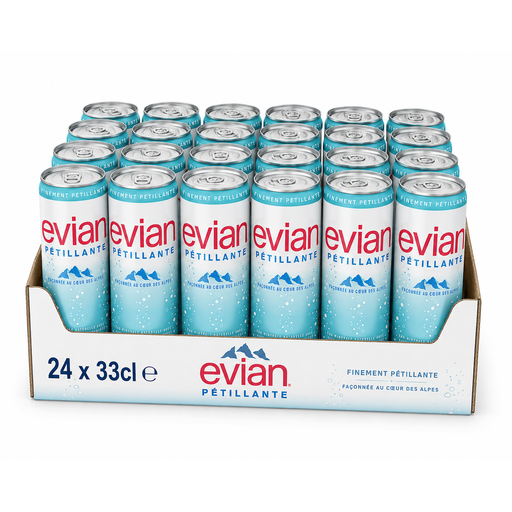
Why this choice suits this profile: The 24-can format of 33 cl is ideal for individual meals, picnics and households that prefer not to have half-finished bottles.
The volume is clearly stated: 24 × 330 ml. The water is presented as calorie-free, sugar-free and low in minerals.
Recyclable cans, a stated pH of 7.2 and a detailed mineral composition on the product page.
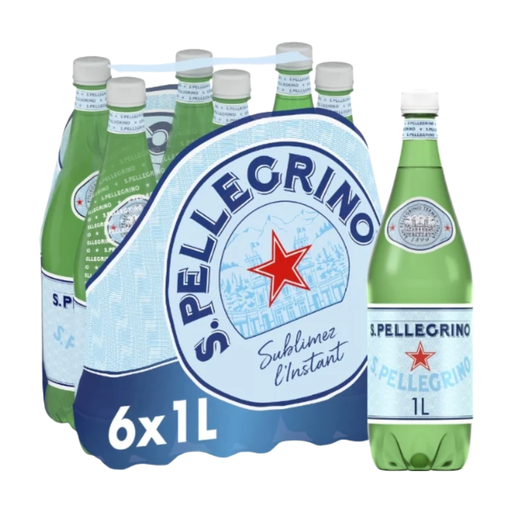
Why this choice suits this profile: The one-litre bottles are designed to accompany meals at the table, especially if the fine bubbles and Italian origin matter to you.
The page specifies the total volume of 6 litres, the country of origin and the mineral composition, rather than relying on a simple promise of refinement.
An Italian natural mineral water, six one-litre bottles and detailed mineral levels, including 164 mg/L of calcium.
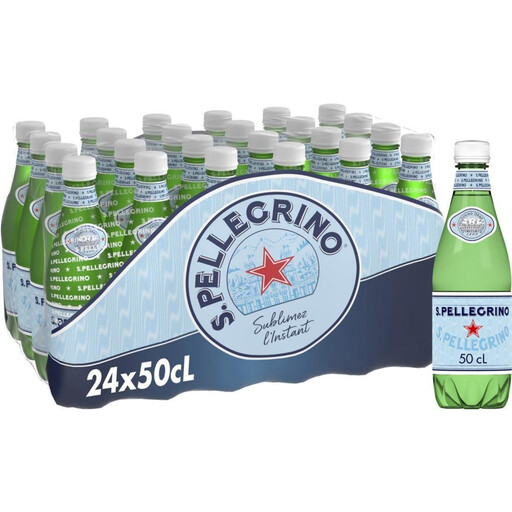
Why this choice suits this profile: The 24-bottle pack of 50 cl makes serving easy at the office, in a restaurant, at a party or an event.
The individual format avoids passing around an open bottle and lets you calculate the exact quantity ordered: 12 litres in total.
24 bottles of 500 ml, a sparkling mineral water and an energy value stated as 0 kcal per 100 ml.
We've put together a comprehensive, real-time selection of products that meet these exacting standards and European safety regulations.
For an everyday meal, a one-litre bottle is usually enough for serving at the table. For a picnic or a gathering, the 33 or 50 cl formats are easier to hand out. If you prefer a fizzy fruit drink, compare the sugar and sweetener content of the flavoured options carefully before buying a large volume.
Fizzy drinks in cans can work well for a party or event, but they don't necessarily replace a sparkling mineral water. Italian lemonades and fruit sodas are in a different category: their ingredients and use are not the same.
No. A natural sparkling mineral water can show 0 g of sugars and 0 kcal. Flavoured drinks, on the other hand, may contain sugar, juices or sweeteners. The ingredients list and the nutrition table are the two things to check first.
Reseal it as soon as possible and put it in the fridge. To keep as much fizz as possible, drink it within the time recommended on the packaging, usually 24 to 48 hours. An opened can is best drunk straight away.
Divide the total price by the net volume of the pack. A pack of six one-litre bottles means less handling at home, while a pack of 24 cans or bottles of 33 to 50 cl is better for individual servings. The right choice depends on the price per litre, but also on your storage space and how you plan to use it.