
Livraison le jour même ou le lendemain

Qualité garantie

Débloquez vos offres de bienvenue: Livraison GRATUITE | Jusqu'à -80 % | 30 jours d'essai gratuits à JoyPlus
Téléchargez l'application
A sparkling rosé wine can accompany anything from an aperitif to dessert or a celebration. However, the experience can vary considerably from one bottle to another. Whether you are considering rosé crémant, rosé champagne or sparkling rosé wine, the production method, appellation, dosage, region and price are all criteria worth examining before you buy.
Two mistakes are particularly common. A deep pink colour does not guarantee a fruitier taste or a better pairing with your meal. Similarly, terms such as “ brut ”, “ off-dry ” or “ special cuvée ” can be confusing if you do not check the sugar level, alcohol content and serving advice. Finally, choosing a bottle based solely on its label can lead to an unpleasant surprise, especially if the size does not match the number of guests or the planned menu.
A rosé champagne comes under the Champagne appellation, while a rosé Crémant de Bourgogne or rosé Crémant d’Alsace belongs to a different protected designation of origin. A sparkling rosé wine, meanwhile, may be subject to different specifications depending on its origin.
The appellation indicates a geographical area and production rules, but it is not enough to predict the taste. To compare bottles, also look at the grape varieties, dosage, stated aromatic notes and serving temperature.
A brut rosé generally offers a drier sensation than a semi-dry or “ off-dry ” cuvée. It is an easy choice for an aperitif or savoury appetisers. A sweeter profile, on the other hand, will pair more naturally with a fruit salad, a red-berry pastry or a light dessert.
The term itself is no substitute for carefully reading the product information. When the sugar content is not specified, refer to the information on the label and the manufacturer’s recommendations rather than relying solely on the wine’s colour.
Alcoholic drinks are reserved for people who have reached the legal drinking age. The products featured here also contain sulphites, which are allergens that may be relevant to some people. Ingredients, alcohol content and nutritional information can vary depending on the cuvée and vintage : always check the label of the product you receive.
For a party, also consider the bottle size. A 75 cl bottle of rosé wine can serve several flutes, but the exact number depends on the size of the glasses and how much is poured.
Crémant comes under a regional appellation, such as Alsace or Burgundy. Rosé champagne follows separate specifications and is often positioned at a higher price point. Sparkling rosé wine can be a more affordable option for an aperitif or a reception with many guests.
The appellation does not guarantee that you will prefer one bottle to another. It primarily serves as a reference point for comparing origin, style and budget.
Notes of strawberry, raspberry, cherry, citrus fruit or redcurrant can help guide your choice according to the meal. Red-berry aromas combined with a light palate work well for an aperitif or a fruity dessert. A more structured cuvée, with greater freshness and acidity, may accompany savoury appetisers or certain dishes.
Dosage directly affects the sensation on the palate. Brut is often chosen for its drier finish, while an off-dry cuvée will suit those who prefer a rounder, sweeter expression.
Store the bottle away from heat, humidity and light, in a cool, dry place. Once opened, seal it with a stopper suitable for sparkling wines and place it in the fridge. The bubbles gradually fade after opening, although a special stopper can slow the process.
Serve the wine chilled, without putting the bottle in the freezer. For a wedding, party or reception, allow plenty of time to chill the bottles and avoid leaving them in a hot vehicle, even for a short period.
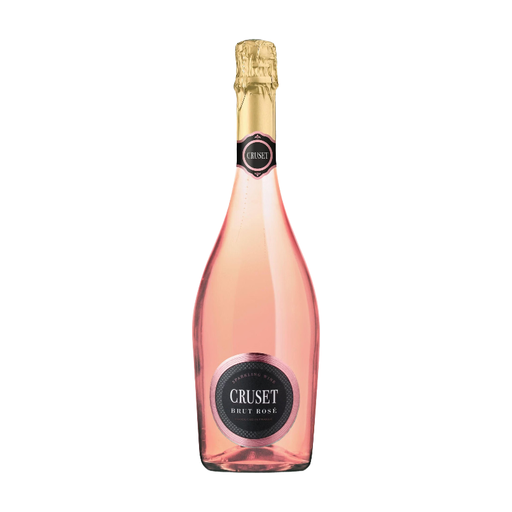
Why this choice suits this profile : With its 750 ml size and brut profile, this bottle is an easy first choice to serve with an aperitif or a red-berry dessert.
The product information specifies the brut style, cherry and strawberry aromas, and recommended pairings, rather than relying solely on the appearance of the bottle.
Salmon-pink colour, fine bubbles, red-berry notes and a stated energy value of 71 kcal per 100 ml.
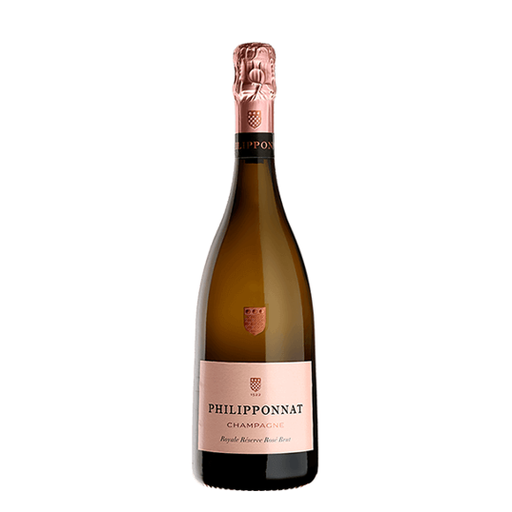
Why this choice suits this profile : This cuvée is designed for special occasions, when the Champagne appellation and polished presentation play an important part in the decision.
The stated blend — 75 % Pinot Noir, 20 % Chardonnay and 5 % Pinot Meunier — provides a concrete reference point beyond its purely celebratory positioning.
Salmon-pink colour with copper highlights, fine and persistent bubbles, and notes of cherry, wild strawberry and citrus fruit.
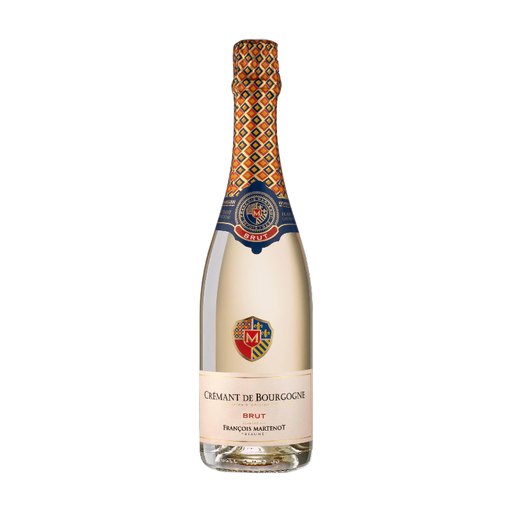
Why this choice suits this profile : Its brut profile, combined with citrus and red-berry notes, makes it well suited to repeated serving during a meal or reception.
The AOP Crémant de Bourgogne appellation, 75 cl size and detailed blend make it easy to check that it suits your intended use before ordering several bottles.
Pale pink colour, fine and persistent bubbles, grapefruit, raspberry and redcurrant notes, at around 12 % vol.
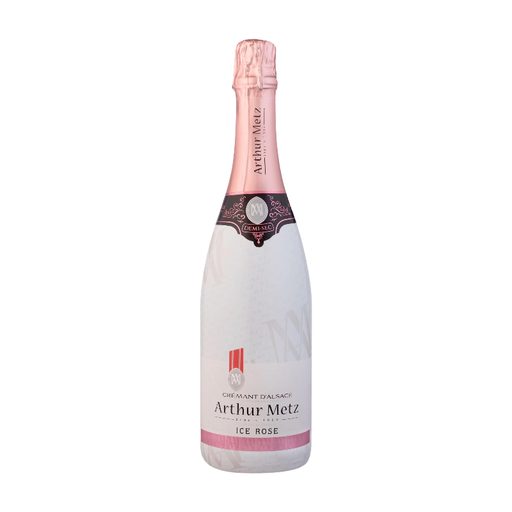
Why this choice suits this profile : Its “ off-dry ” profile and strawberry and red-berry notes will appeal to those who prefer a sweeter style for a sociable aperitif.
The product information clearly states the off-dry style, French origin and Alsace region, making it easier to compare with a brut rosé.
AOP Alsace, 75 cl size, 11.5 % vol and an aromatic profile led by strawberry and red berries.
We have brought together a complete, real-time selection of products that meet these demanding criteria, as well as European safety regulations.
A 75 cl bottle will generally serve several glasses, depending on how much is poured. For a rosé wine for weddings and celebrations, allow for more if the cuvée is to be served both with the aperitif and dessert. Add a little extra for guests who would like another glass, and check the storage conditions before the event.
Rosé champagne comes from the Champagne appellation area and follows its production specifications. Rosé crémant belongs to another regional appellation, such as Burgundy or Alsace. Price, grape varieties, aromas and dosage can vary from one bottle to another. Compare the detailed information for each product rather than relying solely on the product name.
Place it in the fridge with a special stopper for sparkling wines, upright and protected from knocks. The bubbles and aromas change quickly after opening. To preserve its freshness as well as possible, pour the amount you need and avoid leaving the bottle open for several hours. Pregnant people, drivers and those sensitive to sulphites should follow the warnings on the label and the regulations in force.