For an office break, start by choosing the recipe you want: a fizzy drink with a stated proportion of orange juice, a recipe with pulp, or an option labelled ‘no added sugar’. These features aren’t interchangeable: check the product name, ingredients and sugars per 100 ml separately, then choose between an individual serving and a sharing size.
Who are these drinks for?
Teams who prefer individual servings
If everyone takes a drink at a different time, a can means you won’t have to leave a large bottle open. Sanpellegrino offers Aranciata in 33 cl cans; Carrefour also stocks Orangina Sans Sucres Ajoutés in 33 cl cans.
People keeping an eye on added sugars
A recipe labelled ‘no added sugar’ may suit this priority. It’s still worth checking the nutrition information and ingredients: the label doesn’t tell you the total amount of sugars or the proportion of juice.
People comparing juice and pulp
If the ingredients matter more to you than orange flavour alone, check the proportion of juice and whether pulp is included. Sanpellegrino states that Aranciata contains 16% orange juice from concentrate; the Carrefour listings consulted state that the classic Orangina recipe in question contains 10% orange juice and 2% pulp.
Which criteria should you compare?
For an office break, start with your priority — ingredients, individual servings or sharing — then compare the labels of the recipes and formats you’re considering.
| Criteria |
What to check |
Who is it for? |
| Added sugars |
Compare ‘of which sugars’ per 100 ml and per serving; also check for a ‘no added sugar’ label and read the ingredients list. |
If I regularly drink a fruit-flavoured drink at the office, I want to know what each serving contains. Around 40% of consumers would prioritise limiting added sugars. |
| Individual servings |
Check the volume of each container and the number of cans in the pack. |
When breaks don’t coincide, I’d rather open my own can than keep a bottle once it’s been opened. Around 30% of consumers would share this preference. |
| Juice and pulp |
Check the percentage of orange juice separately from the percentage of other citrus juices; see whether pulp is listed. |
If I’m looking for a recipe with juice or pulp, the word ‘orange’ alone isn’t enough to help me choose. Around 20% of consumers would put these ingredients first. |
| Sharing |
Compare the bottle volume with the number of people who’ll be drinking at the same time. |
For a group break, I can choose a bottle to open together rather than several separate servings. Around 10% of consumers would prioritise sharing. |
Things to watch out for
-
Mistaking a sparkling orange drink for pure juice
The recipes mentioned here combine sparkling water with varying amounts of juice and other ingredients. Sanpellegrino states that Aranciata contains 16% orange juice from concentrate, while E.Leclerc states that its Sprink’s orange soda contains 10%.
Before choosing, check the product name and the percentage of juice rather than relying on the fruit imagery.
-
Assuming all recipes have the same sugar profile
The Carrefour listing consulted for classic Orangina states that it contains 4.7 g of sugars per 100 ml. Orangina Sans Sucres Ajoutés is a separate product: the label on its packaging doesn’t replace checking its nutrition information.
Compare ‘of which sugars’ on the same basis, then check the ingredients and any sweeteners separately.
-
Choosing a large bottle for a single break
Sprink’s 1.5 L bottle contains several servings. Once opened, it also needs to be stored between servings, and it may lose some of its fizz.
Choose cans if everyone drinks at a different time; save the large bottle for sharing soon after opening.
Brands to know
Sanpellegrino
The brand offers Aranciata, a sparkling drink made with orange juice, as well as other citrus recipes.
- Sanpellegrino says Aranciata contains 16% orange juice from concentrate and is available in 33 cl cans.
- The Aranciata recipe listed by the brand contains sugar: it’s a sparkling drink, not pure juice.
Orangina
Orangina makes a fizzy citrus drink with pulp; Carrefour also stocks a no-added-sugar version in cans.
- For the classic recipe consulted, Carrefour states that it contains 10% orange juice within 12% citrus juice, as well as 2% pulp.
- The same listing states that it contains 4.7 g of sugars per 100 ml. Check the packaging for the values of other Orangina recipes.
Sprink’s
E.Leclerc stocks an orange soda under this brand in a 1.5 L bottle, a format to consider for a shared break.
- The E.Leclerc listing states that it contains 10% orange juice from concentrate.
- The ingredients list includes sugar and the sweetener E960a; this recipe should be considered neither pure juice nor a sugar-free drink.
Sparkling orange drinks on Joybuy
This selection includes fizzy orange drinks in individual servings or multipacks, as well as a sparkling blood orange lemonade. To compare them, check their category, stated ingredients and the volume of each container.
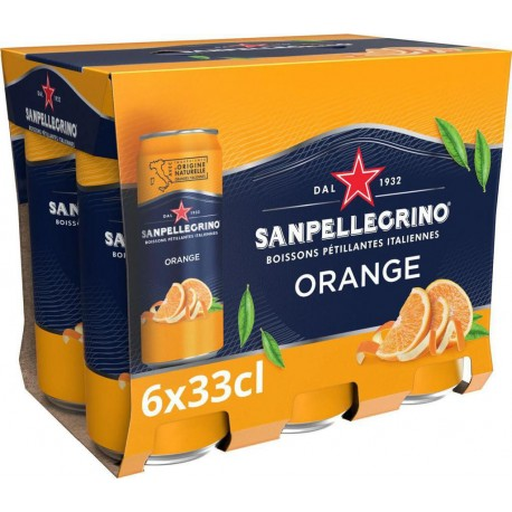 Image unavailable
SAN PELLEGRINO Aranciata Slim, 6 × 330 ml
Cans are handy for breaks taken at different times. The recipe contains 16% orange juice from concentrate and includes sugar; the product description states that it contains 8.1 g of sugars per 100 ml. It’s a sparkling drink, not pure juice.
View on Joybuy
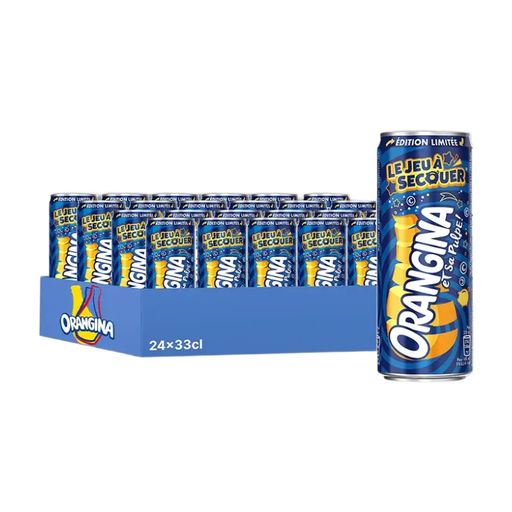 Image unavailable
Orangina, 24 × 330 ml
This multipack gives you fizzy orange drinks in individual cans. The description mentions citrus juices, including orange, and pulp; check the packaging for the proportions in this product. It states that the drink contains 8.9 g of sugars per 100 ml.
View on Joybuy
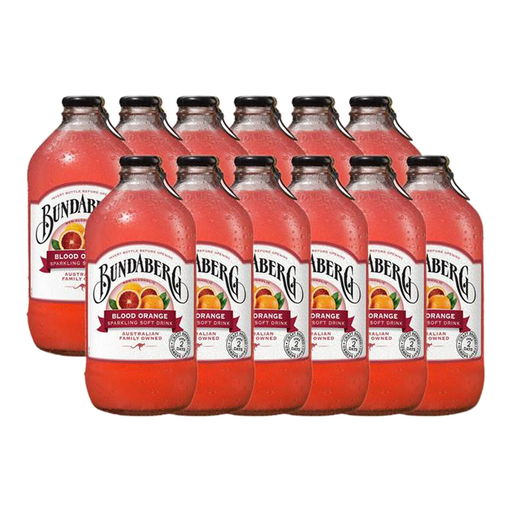 Image unavailable
BUNDABERG Blood Orange, 12 × 37,5 cl
The 37.5 cl bottle makes it easy to take one along for a break. The description states that this is a non-alcoholic drink with carbon dioxide, 5% blood orange juice from concentrate and 11.5 g of sugars per 100 ml. It also mentions fermented concentrate: if this matters to your choice, check the product name and ingredients on the packaging.
View on Joybuy
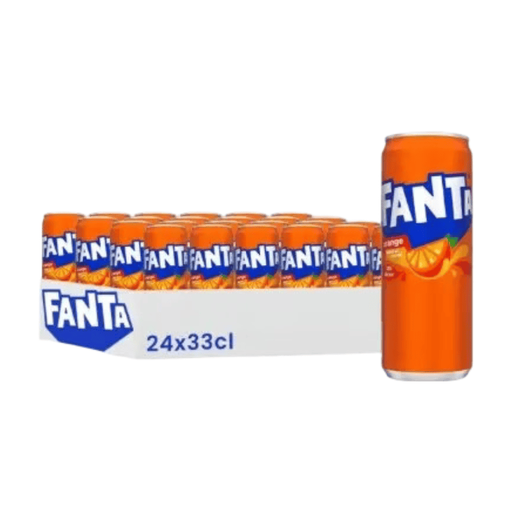 Image unavailable
Fanta Orange, 24 × 330 ml
The cans make it easy to share the multipack across several breaks. The recipe described contains 3.7% orange juice from concentrate, sugar and the sweeteners acesulfame K and sucralose. To compare its sugar content with another drink, check the per-100 ml figure on the packaging.
View on Joybuy
Image unavailable
CALYPSO Sparkling Lemonade Blood Orange Breeze Zero Sugar, 12 × 33 cl
This sparkling blood orange lemonade comes in individual cans; it isn’t a recipe based solely on orange juice. The description presents it as sugar-free and mentions sucralose and acesulfame K. If the amount of juice matters to you, check the ingredients and product name on the packaging.
View on Joybuy
Frequently asked questions
Is a sparkling orange drink always orange juice?
No. The fizzy drinks mentioned here contain sparkling water, varying proportions of juice and, depending on the recipe, other ingredients. To find out what you’re buying, read the product name and ingredients list rather than guessing its category from the fruit shown on the packaging.
Which format should you choose if your colleagues don’t take their breaks together?
Individual cans let everyone open their serving when they want. A 1.5 L bottle is better suited to several people drinking from it soon after it’s opened; otherwise, you’ll need to store what’s left.
Does ‘no added sugar’ mean ‘sugar-free’?
No. The ‘no added sugar’ label doesn’t tell you the total sugar content on its own. Check the ‘of which sugars’ line in the nutrition information and the ingredients list for the specific recipe, particularly if you want to spot any sweeteners.


