Groups sharing drinks at their accommodation
If several people want the same drink with a meal, a 1.5 L bottle lets you serve everyone from one container. Carrefour and E.Leclerc list sparkling orange drinks in this size.


If you want a fizzy drink for your holiday rental, look for a sparkling orange drink rather than still orange juice. A 1.5 L bottle is handy when several people at your accommodation want the same drink; 33 cl cans make it easier to serve individual portions and take drinks out with you. In either case, compare the juice content, sugars per 100 ml and ingredients of the specific product you choose.
If several people want the same drink with a meal, a 1.5 L bottle lets you serve everyone from one container. Carrefour and E.Leclerc list sparkling orange drinks in this size.
If your group is heading out or everyone has different preferences, a 33 cl can is easier to take along than a large, opened bottle. Auchan, for example, lists Sanpellegrino Aranciata Rossa in this format.
If the recipe matters as much as the format, distinguish a fizzy drink containing citrus juice from pure juice, then compare the ingredients and sugars per 100 ml on the labels.
First decide whether you’ll mainly share the drink at your accommodation or take it with you in individual portions. Then check the recipe and which shop serves your rental.
| What to consider | What to check | Who it matters to |
|---|---|---|
| Sharing size | Bottle size and how many people want the same drink. | If we’re all drinking together at our accommodation, I’d rather serve a bottle than hand out cans. Around 40% of consumers prioritise a shareable format. |
| Ingredients and sugars | Product description, ingredients, juice content and the “of which sugars” figure per 100 ml. | I want to know what’s in a fizzy drink before choosing one for the group. Ingredients are the top priority for around 30% of consumers. |
| Portions to take out | Size of each can and number of cans in the pack. | When we’re heading out, I want everyone to be able to take their own portion without carrying an opened bottle; around 20% of consumers prefer individual portions. |
| Local availability | The product and format stocked by the shop or click-and-collect service near your rental. | If I have little time to shop when I arrive, I want to be able to find my chosen drink near where I’m staying. Local availability comes first for around 10% of consumers. |
The sparkling drinks listed by Carrefour, Auchan and E.Leclerc contain carbonated water or carbon dioxide and some citrus juice. They are not pure orange juice.
To find the fizz you’re after, read the product description and ingredients, then check the juice content for the exact product.
A 33 cl can and a 1.5 L bottle hold different amounts, so their total sugar content can’t be compared directly.
Compare the “of which sugars” figure per 100 ml, then consider the portions you plan to serve.
A product shown in a retailer’s catalogue may not be stocked by the shop you’ve selected for your stay. E.Leclerc, for example, advises shoppers to check the local availability of Pulp Orange.
Select the shop serving your rental before planning your shopping, and have another suitable option in mind for the group.
The type of orange alone won’t tell you the nutritional values. E.Leclerc and Auchan list 8.8 g of sugars per 100 ml for Pulp Orange and 9 g for Sanpellegrino Aranciata Rossa, respectively.
Check the nutritional information for the specific product and format you’re buying rather than relying on the colour or recipe name.
A sparkling orange and citrus drink with pulp, available in formats including 1.5 L bottles and smaller sizes, depending on the products listed by Carrefour and Auchan.
Pulp’Orange in a 1.5 L bottle is for groups who want to share an orange drink with pulp.
The blood orange product listed by E.Leclerc is a sparkling drink in a 1.5 L bottle, made for sharing.
Aranciata Rossa, listed by Auchan in a 33 cl can, is a blood orange option for individual portions.
These fizzy drinks in cans are handy for individual portions at your accommodation or when you’re out and about. Orangina combines orange and red berries, while Calypso is a blood orange lemonade. Check the product category and ingredients if you’re specifically looking for an orange soft drink.
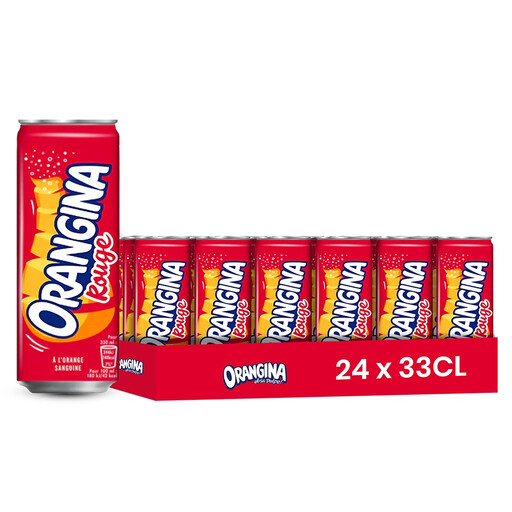 Image unavailable
The cans make it easy to serve individual portions during your stay. The recipe combines orange and red berries; check the ingredients and sugar content on the packaging of the pack you buy.
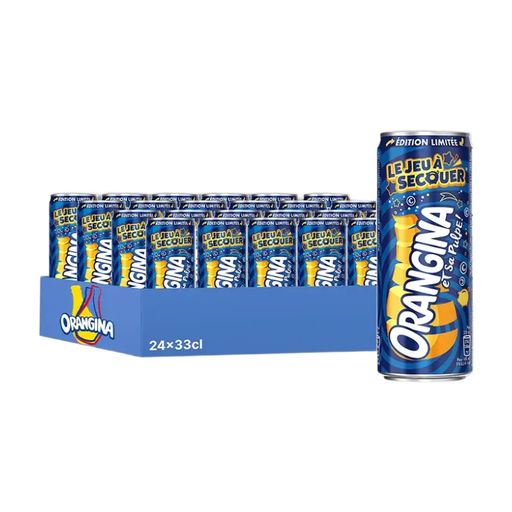 Image unavailable
This pack lets you serve individual portions to a group at your accommodation or when you’re out. To compare its recipe with that of a large bottle, check the ingredients and sugars per 100 ml.
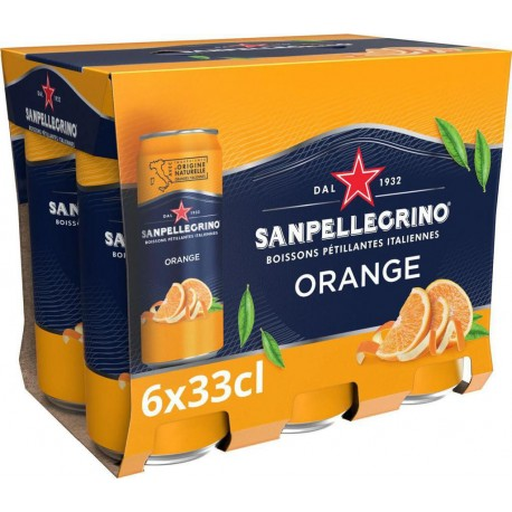 Image unavailable
The six-pack is a good option if you want individual portions without buying a pack of 24. Check the nutritional information for this variant on its packaging.
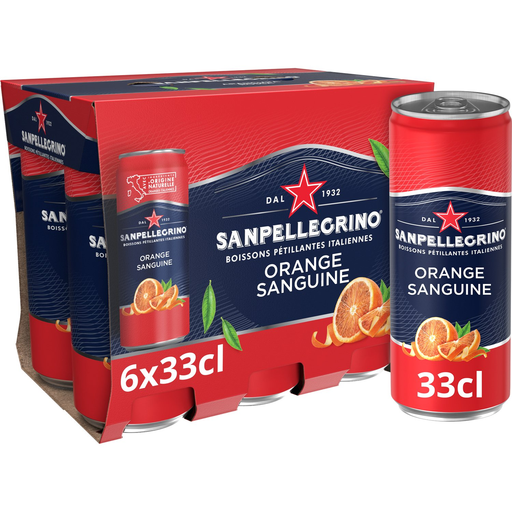 Image unavailable
This blood orange variant is ideal for serving individual portions. Check the label on the pack you buy to find out how much sugar it contains.
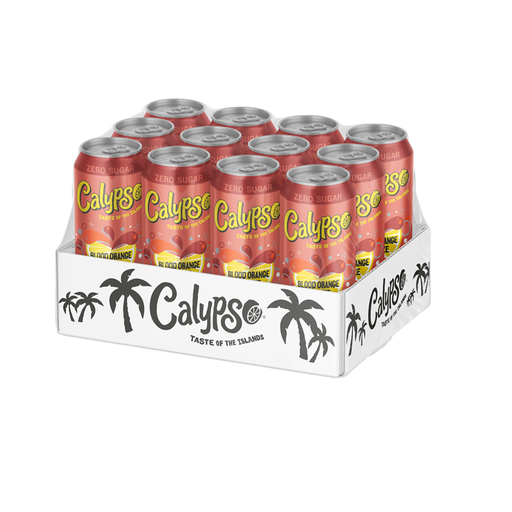 Image unavailable
The cans are handy for individual portions. This is a sparkling blood orange lemonade rather than a drink described simply as orange soda; check the label for the ingredients and nutritional information for this variant.
No. Still orange juice won’t satisfy a craving for something fizzy. Look for a product described as a sparkling or carbonated drink, and check the ingredients for carbonated water or carbon dioxide.
Choose a 1.5 L bottle if several people at your accommodation want the same drink; 33 cl cans are better for individual portions and days out. The format alone tells you nothing about the drink’s nutritional values.
Compare the “of which sugars” figure per 100 ml on each label, rather than the total for a can with the total for a bottle. The Directorate-General for Competition Policy, Consumer Affairs and Fraud Control notes that nutritional declarations use a 100 g or 100 ml basis to make comparisons possible.
Read the product description, ingredients list, declared allergens and nutritional information for the product you’ve bought. This will help you compare the juice content, whether it’s carbonated and the ingredients in each variant.