Households looking for something fizzy to serve
You’re looking for a sparkling orange drink to share, with or without bits of pulp, rather than pure juice for breakfast.


To stock your cupboard, choose a sparkling orange drink if you want bubbles to serve, and keep pure orange juice for when you specifically want juice. Whether you opt for a classic recipe or a light or zero version, compare the sugars, sweeteners and juice content shown on the label. The pack size should also suit how much you’ll drink once it’s opened.
You’re looking for a sparkling orange drink to share, with or without bits of pulp, rather than pure juice for breakfast.
You want to keep a sparkling orange drink in the cupboard while comparing the sugars per 100 ml and checking whether it contains sweeteners.
If by “orange juice” you mean juice in the strict sense, tell it apart from fizzy orange drinks before stocking up.
First decide whether bubbles matter more to you than the “pure juice” category. For a fizzy drink, then compare recipes and pack sizes to suit how you’ll use it.
Choose this if: you want to serve a fizzy orange drink, perhaps with bits of pulp.
Bear in mind: the recipe may contain sugar and it isn’t pure juice; check the label to assess each product.
Choose this if: the sugar content shown on the label influences your choice of fizzy drink.
Bear in mind: the light and zero recipes reviewed contain sweeteners. The wording on the front of the pack is no substitute for checking the ingredients.
Choose this if: you want orange juice for breakfast or cooking, without looking for bubbles.
Bear in mind: this won’t satisfy a craving for a fizzy drink to serve.
| What to consider | What to check | Who is it for? |
|---|---|---|
| Sugars and sweeteners | Compare the “of which sugars” figure per 100 ml, then check the ingredients list. | I want to keep a fizzy drink on hand without choosing a recipe based solely on a light or zero label. Around 45% of consumers put managing sugar at the top of their list. |
| Juice and pulp | Read the drink’s description, the stated juice content and whether it contains pulp. | If I want to serve a drink that specifies its juice or pulp content, I look beyond the word “orange”. Around 33% of consumers put this first. |
| Pack size and storage | Choose the volume based on how many glasses you plan to serve, and check the storage instructions after opening. | If I open a bottle for just a few glasses, I want to be able to finish it within the stated time. Around 22% of consumers prioritise pack size and managing their stock. |
The fizzy recipes listed by Carrefour and Auchan contain carbonated water and a proportion of juice or concentrate. The definition of fruit juice published by Légifrance, on the other hand, covers a product made from the edible parts of fruit.
Check the product description and ingredients. If you’re looking for pure orange juice, choose a product labelled as such rather than relying on the flavour description alone.
The zero and light versions reviewed at Auchan and E.Leclerc each list 1 g of sugars per 100 ml and contain sweeteners.
Check both the nutrition table and the ingredients list, rather than relying only on the wording on the front of the pack.
The two Auchan recipes reviewed in 1.5 L bottles should be refrigerated and consumed within three days of opening.
Before buying several bottles, choose a size your household can finish within the time stated on each one.
A bottle left open for too long could end up being partly wasted.
These examples relate to specific products. Ingredients and nutritional values can vary between recipes from the same brand.
A fizzy orange drink with pulp, ready to serve.
A light fizzy orange drink with pulp, available in a 1.5 L bottle.
The products reviewed let you compare a classic drink with pulp and a zero version, both in 1.5 L bottles.
A light orange drink with pulp, available in a 1.5 L bottle.
These multipacks are orange drinks intended to be served in individual portions. To choose between the fizzy recipes, compare the type of orange, the number of cans or bottles and the information on the packaging. These aren’t pure orange juices.
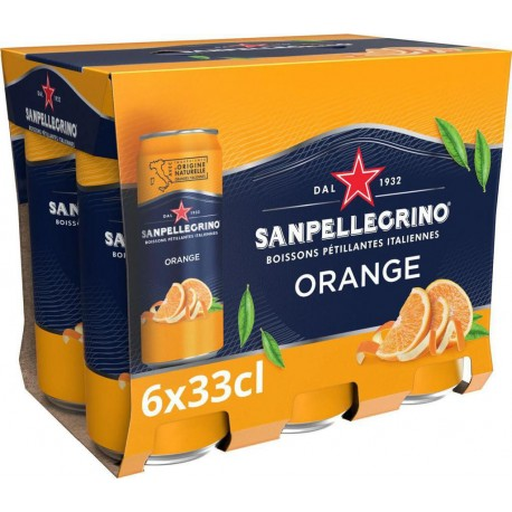 Image unavailable
Worth considering if you’d rather open one can per serving than a large bottle.
The pack contains six 330 ml cans. To compare this recipe with others, check the ingredients and sugar content on the packaging.
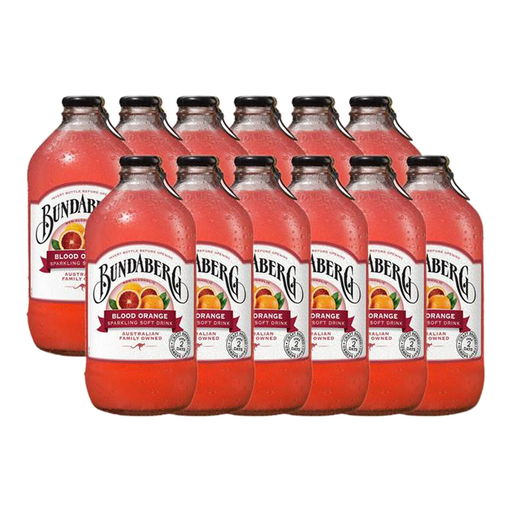 Image unavailable
This blood orange variety could suit you if you’re looking for individual bottles to keep for several servings.
The pack contains twelve 37.5 cl bottles. Check the label to assess the ingredients and sugar content of this recipe.
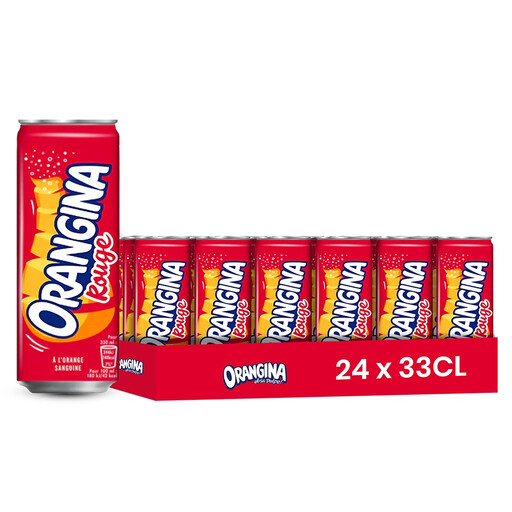 Image unavailable
Worth considering if you’re interested in a recipe combining orange and red berries, served in cans.
The pack contains 24 cans of 330 ml. Check the packaging for the juice content and nutritional values of this variety rather than assuming they’re the same as another Orangina recipe.
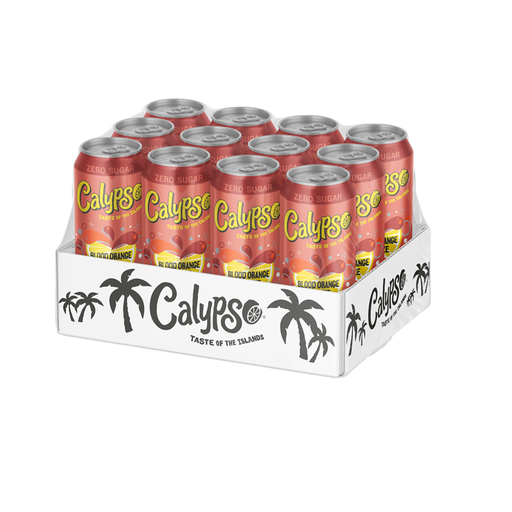 Image unavailable
This sparkling blood orange lemonade may appeal if you’re comparing recipes with sweeteners, but be sure to check the nutritional information on the can.
The pack contains twelve 33 cl cans. “Zero Sugar” is part of this variety’s name; check the label for its ingredients and nutritional values.
No. A fizzy drink containing orange juice isn’t necessarily pure juice. Légifrance defines fruit juice as a non-fermented product made from the edible parts of fruit. To know what you’re buying, read the product description and ingredients list.
Compare the sugars per 100 ml and the ingredients, then choose according to whether you prefer a recipe with sugar or sweeteners. The zero and light versions reviewed at Auchan and E.Leclerc list 1 g of sugars per 100 ml and contain sweeteners; these values don’t apply to every drink with the same claims.
Follow the instructions on the bottle you buy. The two Auchan recipes reviewed in 1.5 L bottles should be refrigerated and consumed within three days of opening. Choose a size that suits the number of glasses you plan to serve.