Parents planning a one-off festive snack
You’re looking for a fizzy orange drink in a format that’s easy to serve, while keeping it distinct from pure juice.


For a holiday snack, choose a sparkling orange drink if fizz matters more to you than serving pure juice. If the type of juice is your priority, look for a product clearly labelled as ‘pure juice’. A fizzy drink containing juice isn’t necessarily orange juice, so check the product description, juice content and nutritional information. For children under 11, Santé publique France recommends no more than half a glass of juice a day if parents choose to give it to them. This doesn’t mean that a whole can is a suitable serving.
You’re looking for a fizzy orange drink in a format that’s easy to serve, while keeping it distinct from pure juice.
You want to consider how often snacks are served and how much you pour. Santé publique France gives specific guidance on juice for children under 11.
You may be happy to forgo the fizz if your priority is a product sold as pure juice, with a description and ingredients to match.
First decide whether you want pure juice or a sparkling drink, then compare the sugar content and the amount you’ll actually serve.
| What to consider | What to check | Who it matters to |
|---|---|---|
| Type of drink | Read the product description and check the juice percentage: the DGCCRF distinguishes fruit juice from drinks that don’t meet this definition. | If I want to serve orange juice rather than an orange-flavoured drink, fizz alone won’t help me decide. Around 42% of consumers would put this distinction first. |
| Sugar and serving size | Compare the sugar content per 100 ml with the amount planned for each glass. For juice given to children under 11, Santé publique France recommends a maximum of half a glass a day. | When snacks are served regularly over the holidays, I want to choose how much to pour without relying on the size of the can. This would be the top concern for around 33% of consumers. |
| Serving format | Check the volume per item, the number of cans or bottles, and whether they can be shared. | For an outing or a snack with several children, I’m mainly looking for a container that’s easy to carry or share. Around 25% of consumers would prioritise this. |
Having orange in the name or juice in the ingredients doesn’t determine the product category on its own. The DGCCRF points out that the term ‘fruit juice’ has a regulated definition.
Check the product description on the packaging, then read the ingredients list and check the juice percentage.
The container size is a sales format, not an automatic serving size. For juice given to children under 11, Santé publique France recommends a maximum of half a glass a day.
Decide how much to serve separately from the size of the pack you buy, and consider sharing the contents.
A sparkling orange drink labelled as low in sugar isn’t necessarily pure juice: these are two separate things.
Compare the sugar content per 100 ml and the juice percentage shown on each product separately.
A range to consider if you’re looking for a sparkling orange drink in a can rather than pure juice.
Worth considering if you prefer still pure orange juice.
Another option for still pure juice: Carrefour lists Tropicana’s Jus d’Orange Frais Sans Pulpe Pur Jus in a 90 cl bottle.
Carrefour’s range makes it easy to compare product descriptions and formats for orange drinks.
A retailer to browse if you want to compare pure juices and nectars in different formats.
These options suit a snack where fizz and orange flavour matter. They come in different formats, so check the product description, juice content and sugar on the packaging before choosing.
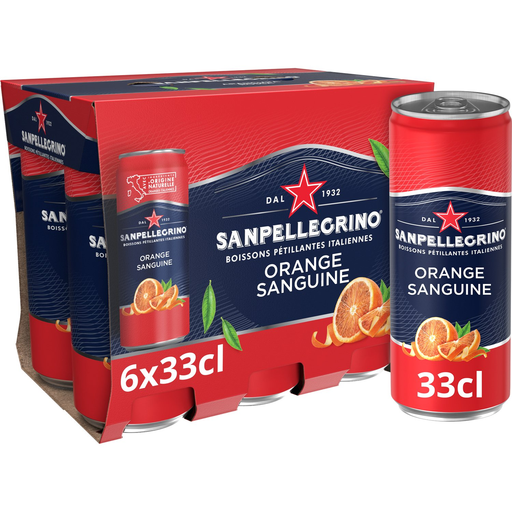 Image unavailable
For a snack when you fancy a sparkling blood orange drink in cans. The pack contains six 330 ml cans. Check the product description and nutritional information before deciding how much to serve.
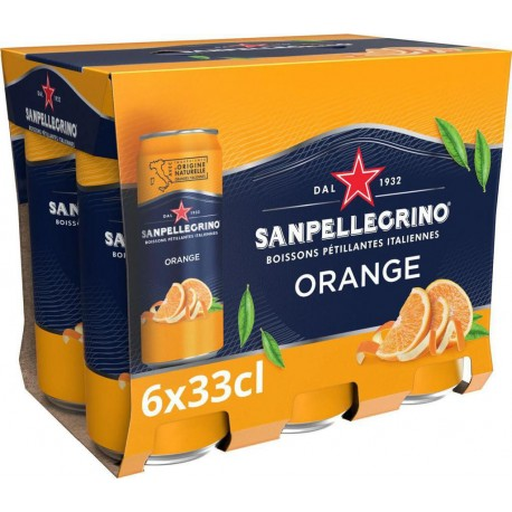 Image unavailable
For a break with a sparkling orange drink rather than pure juice. The pack contains six 330 ml cans. Compare the ingredients and sugar per 100 ml with the other options you’re considering.
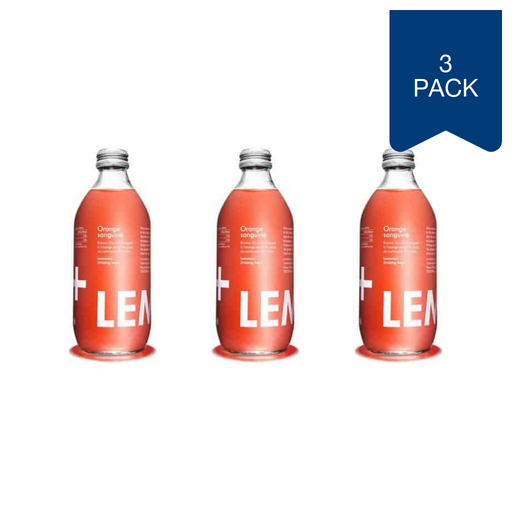 Image unavailable
For a sparkling blood orange drink when you’d rather have bottles than cans. The pack contains three 33 cl bottles. Check the product description and sugar content shown on the product.
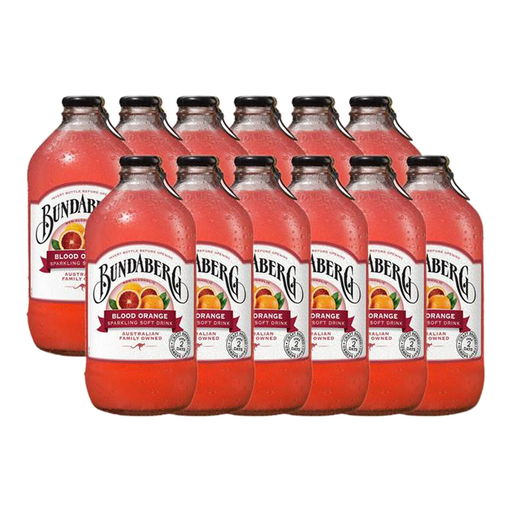 Image unavailable
For serving sparkling blood orange drink to a group in individual bottles. The pack contains twelve 37.5 cl bottles. The size of each bottle doesn’t determine how much to pour for a child.
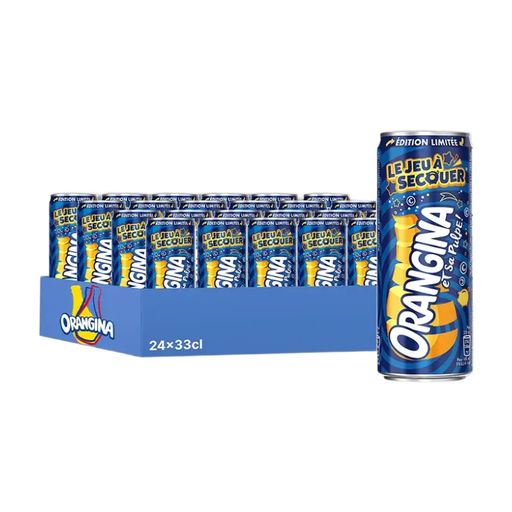 Image unavailable
For planning several breaks with a fizzy orange-flavoured drink in cans. The pack contains twenty-four 330 ml cans. If the orange juice content matters to you, check the label.
No. An orange flavour and the presence of juice aren’t enough to make it orange juice. The DGCCRF explains that the term ‘fruit juice’ is reserved for products that meet its definition, so check the wording on the packaging.
Santé publique France recommends a maximum of half a glass of juice a day for children under 11, if parents choose to give it to them. Decide how much to pour independently of the size of the bottle or can.
No. Sugar content and product category are two different things. A sparkling fruit juice drink is still distinct from pure juice. As well as checking the sugar per 100 ml, compare the product description and juice percentage.