Hosts looking for a fizzy drink to serve
You want bubbles and an easy way to serve several guests. Compare the volume of a sharing bottle with the number of cans in a multipack.


For a fizzy orange drink at a birthday party, choose a sparkling fruit drink rather than pure orange juice. The sparkling recipes described here combine carbonated water with citrus juice. If choosing a pure juice matters more to you than the fizz, serve it separately. For a no-added-sugar option, compare the sweeteners and nutritional information too.
You want bubbles and an easy way to serve several guests. Compare the volume of a sharing bottle with the number of cans in a multipack.
You’d like to look at a no-added-sugar option without assuming it has the same ingredients as the classic recipe. Checking the ingredients list is a good way to spot sweeteners.
You’d rather serve orange juice first, even if that means going without the fizz. For example, Joker describes its Pur Jus Orange sans pulpe as made from 100% freshly squeezed oranges.
First decide whether fizz or the ‘pure juice’ category is essential, then choose a recipe and pack size that suit the way you plan to serve it.
| What to consider | What to check | Who is it for? |
|---|---|---|
| Fizz and serving | Whether it contains carbonated water; the bottle size or the number and capacity of the cans. | If I’m serving several guests, I want to share the drink easily while keeping an eye on the total amount I’ll need. Around 40% of consumers prioritise fizz and serving a group. |
| Sugars and sweeteners | The ‘of which sugars’ figure per 100 ml and the ingredients list for the option you choose. | I’m interested in a ‘no added sugars’ claim, but I want to know whether the recipe contains sweeteners. Around 30% of consumers prioritise reducing added sugars. |
| Type of drink | The product description and percentage of juice; distinguish pure juice from a sparkling fruit drink. | I’d rather serve real orange juice, even if I offer the fizz in another drink. For around 30% of consumers, choosing pure juice comes before having a fizzy drink. |
The sparkling Orangina recipe described by Carrefour Traiteur and Sanpellegrino’s Aranciata Rossa both contain carbonated water and some citrus juice. They’re not the same choice as pure orange juice.
Check the product description and percentage of juice before comparing pack sizes.
Carrefour’s listing for Orangina with no added sugars mentions acesulfame K and sucralose. Don’t confuse this option with the classic recipe.
Check both the ingredients list and the sugars per 100 ml for the product you’re planning to buy.
A 33 cl can and a 1.5 L bottle are served differently. The number of containers alone doesn’t tell you how much you’ll need for your guests.
Work out how many glasses or cans you’d like to offer, then add up the volumes of the pack sizes you’re considering.
A blood orange flavour, a familiar brand name and a similar pack size don’t guarantee identical ingredients.
Before swapping one product for another, compare its full name, ingredients and pack size.
An option for serving a sparkling citrus drink with pulp, particularly in a sharing bottle.
Aranciata Rossa gives you a sparkling blood orange drink to compare in individual cans.
An option to compare if you’d prefer pure orange juice to a fizzy drink.
A supermarket own brand to consider when comparing large bottles of sparkling orange drinks.
A supermarket own brand to browse when comparing still orange juices.
These options are sparkling canned drinks for serving at a birthday party. Some list citrus juice, while one lemonade is described as blood orange flavoured. If juice content matters to you, check the ingredients for each option.
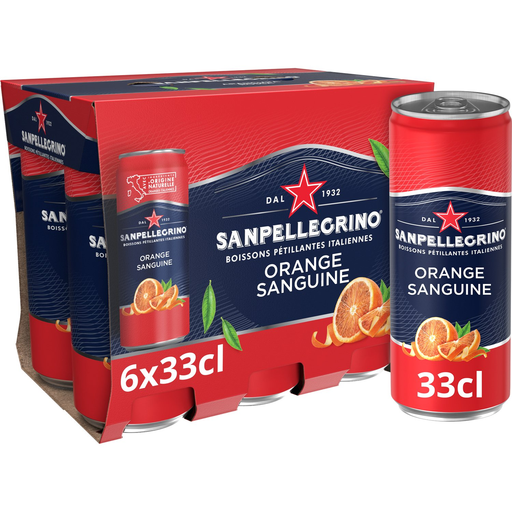 Image unavailable
A multipack of cans makes it easy to serve individual portions at your party.
A sparkling blood orange drink, not pure orange juice. Compare the ingredients in this option with those of any other Aranciata Rossa product you’re considering.
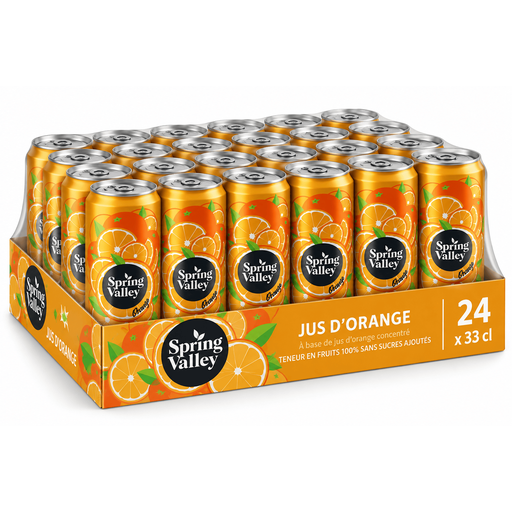 Image unavailable
The pack of 24 cans is a good fit if you’re planning to serve several guests in individual containers.
The ingredients include carbonated water and orange juice from concentrate. Check the label for the juice content of the option you buy.
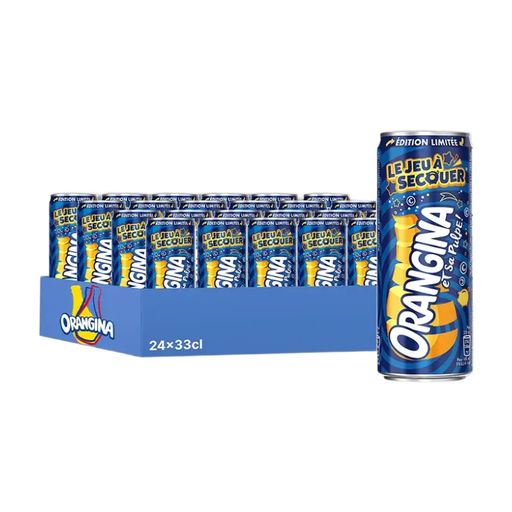 Image unavailable
A canned option if you’re looking for a sparkling citrus drink with pulp to serve your guests.
The information for this option states that it contains 10% citrus juice and 1% pulp. Don’t confuse it with the bottled Orangina recipe.
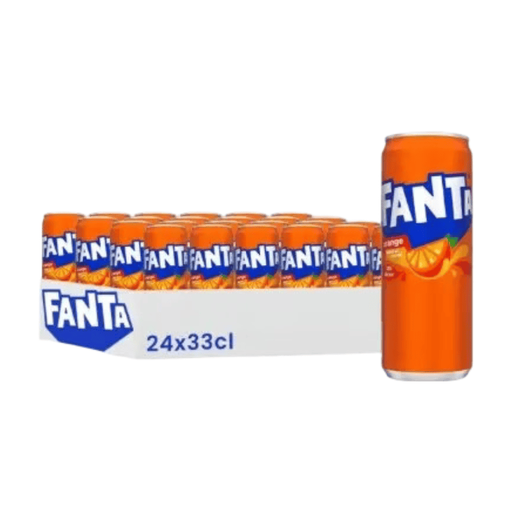 Image unavailable
The cans make it easy to serve individual portions at your party.
The ingredients include carbonated water, 3.7% orange juice from concentrate and sweeteners. To compare the sugars with another drink, check the figure and unit on the packaging.
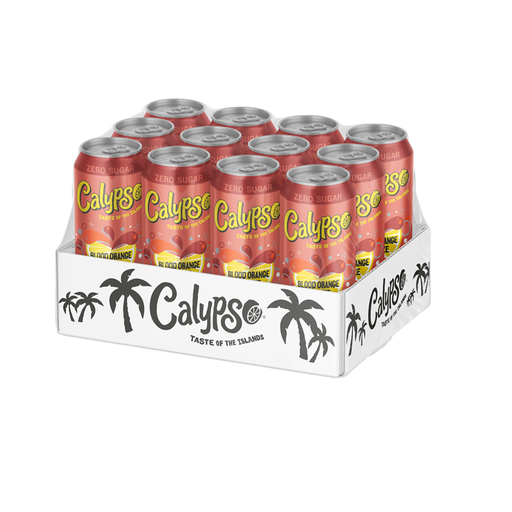 Image unavailable
This sparkling lemonade with a blood orange flavour is another canned option for individual servings. It’s not a substitute for pure orange juice.
The description mentions sucralose and acesulfame K. If juice content matters to you, check the ingredients list on the packaging. Also check the nutritional information associated with the Zero Sugar claim.
No. A fizzy drink can contain juice without being pure orange juice. To find out what you’re serving, check the product description and ingredients list. The DGCCRF distinguishes between terms reserved for fruit juice and those used for other drinks.
Compare the ingredients list and the ‘of which sugars’ figure per 100 ml, rather than relying on the claim on the front of the pack. Carrefour’s listing for Orangina with no added sugars mentions acesulfame K and sucralose. Check that the ingredients suit you and that the option you want is available.
Choose what suits the way you’ll serve it: pour a bottle into glasses, or hand out individual cans. Work out the total volume you’ll need before comparing, for example, a 1.5 L bottle with 33 cl cans.
Sanpellegrino recommends serving Aranciata Rossa at 6–8 °C. Also check the guidance on the cans you buy, particularly if you choose a different option or pack size.