
Livraison le jour même ou le lendemain

Qualité garantie

Débloquez vos offres de bienvenue: Livraison GRATUITE | Jusqu'à -80 % | 30 jours d'essai gratuits à JoyPlus
Téléchargez l'application
Choosing a sparkling lemon lemonade may seem straightforward. Yet between very sugary soft drinks, sweetener-based recipes, individual cans and family packs, the differences are far from insignificant. A lemon-flavoured fizzy drink for everyday use will not necessarily meet the same needs as a Japanese lemonade to discover or a large pack intended for a party.
Before placing your order, three common pitfalls are worth keeping in mind:
The nutrition table allows you to compare products on a like-for-like basis, generally per 100 ml. Traditional lemonade contains sugar, while a sugar-free or zero-calorie version will generally rely on sweeteners.
The LA GOUDALE Traditional Lemonade 75 cl, for example, contains 34.1 kcal and 7.9 g of sugars per 100 ml. By contrast, the V-Talk 0kcal Lemonade 350 ml states 0 kcal per 350 ml, with erythritol, sucralose and acesulfame-K. This difference may influence your decision, but it says nothing about the taste: sugar-free recipes often create a different sweet sensation on the palate.
To compare drinks objectively, check:
A lemon-flavoured drink may contain nothing more than carbonated water, citric acid and a natural flavouring. It may also contain a clearly stated proportion of lemon juice, lime juice or other fruit.
Limo De Goudale, for example, lists a recipe based on carbonated water, sugar, citric acid and natural lemon flavouring, with no declared additives. SAN PELLEGRINO Limonata, meanwhile, states that it contains 11% lemon juice from concentrate and 5% lemon juice.
The term “natural” should be understood in context: it may describe the flavouring or certain ingredients, without meaning that the drink consists exclusively of juice. If you are looking for a short ingredient list, also check for preservatives, colourings and acidity regulators.
Pack size has a direct impact on the price per serving, the space taken up and ease of serving. Cans fit easily in the fridge and are ideal for individual servings. 33 or 35 cl bottles are convenient to hand out at lunch or an event. Larger packs mean you do not have to shop as often, but they can quickly become heavy to carry and store.
Keep unopened drinks in a cool, dry place away from sunlight and high temperatures. Once opened, refrigerate them and drink them promptly to preserve the fizz as well as possible. Served well chilled, sparkling lemonade generally offers a more pronounced tasting experience, especially when its recipe showcases citrus flavours.
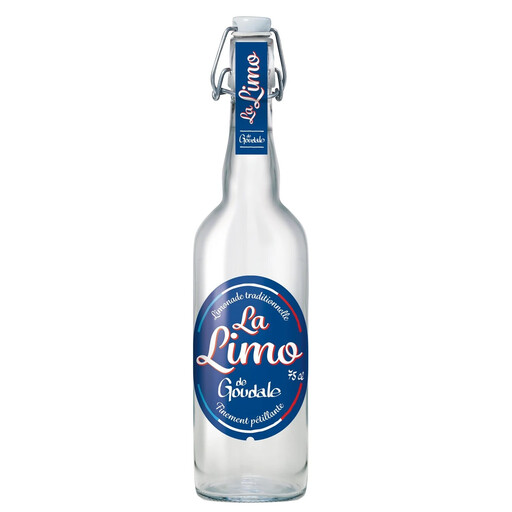
Why this choice suits this profile : At 75 cl, this bottle lets you try the product or enjoy it with a meal shared with others, without committing to a large pack straight away.
The ingredients detail the sugar and natural lemon flavouring, so you will not mistakenly assume that it has a high juice content.
34.1 kcal per 100 ml, 0% alcohol, no declared allergens and a recipe suitable for a vegetarian or vegan diet.
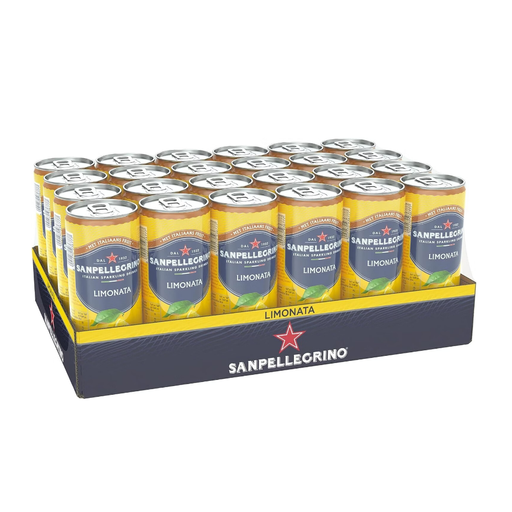
Why this choice suits this profile : Its Italian-style 33 cl cans are equally suited to serving at the table or at a reception.
The product information specifies the proportions of lemon juice: 11% from concentrate and 5% lemon juice.
A pack of 24 cans, Italian origins and no added preservatives according to the information provided.
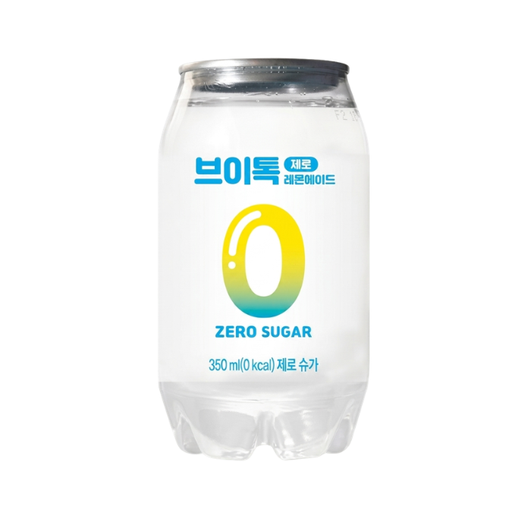
Why this choice suits this profile : This 350 ml Korean bottled drink is aimed at those looking for a lemonade advertised as sugar-free and calorie-free.
The sweeteners are clearly listed, allowing you to make an informed choice rather than focusing solely on the “0 kcal” claim.
0 kcal per 350 ml, a lemon flavour, fizz and no declared allergens in the product information.
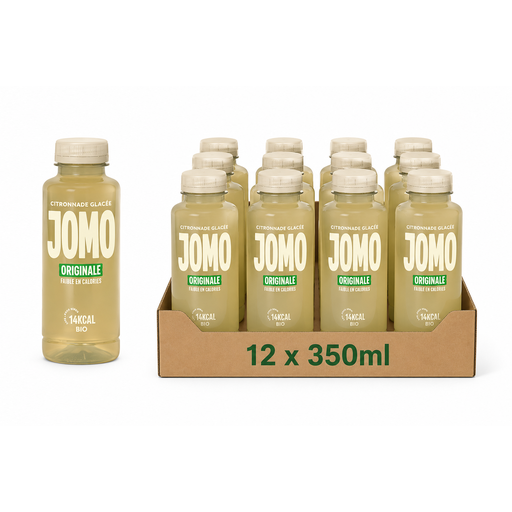
Why this choice suits this profile : Its 35 cl bottles and fruity profile are perfect for individual servings at a meal or gathering.
The product information states 7% lemon juice, along with 14 kcal and 3.2 g of sugars per 100 ml.
A pack of 12, an advertised organic and vegan recipe, no preservatives and a hint of orange blossom.
We have put together a complete, real-time updated list of products meeting these demanding selection criteria and European safety regulations.
Not necessarily. The answer can be found in the nutrition table, taking the applicable labelling rules into account. Some drinks state 0 kcal, while others still contain a small amount of carbohydrates or calories. V-Talk states 0 kcal per 350 ml, but its recipe contains several sweeteners.
To retain as much fizz and flavour as possible, place the bottle or resealable can in the fridge and drink it promptly. Always follow the instructions on the label. Individual cans are particularly convenient if you would rather avoid leaving an opened bottle in the fridge.
For a few people, 33 to 50 cl bottles help to minimise waste. For an event, a pack of 12 or 24 cans will be easier to distribute and serve. Before confirming your purchase, compare the price per litre, the space available in your fridge and the best-before date.