Organisers handing out drinks quickly
If you’re giving a drink to each person, individual containers save you having to pour drinks into cups. E.Leclerc lists, for example, a pack of four 27.5 cl Festalie bottles.


For a sale, start by thinking about how you’ll serve the drinks: individual containers mean no pouring, while a 75 cl bottle is a good fit for a stall with cups and somewhere cool to store it. Then check the product description and ingredients. Sparkling apple juice and a fizzy drink flavoured with fruit juices are not the same thing.
If you’re giving a drink to each person, individual containers save you having to pour drinks into cups. E.Leclerc lists, for example, a pack of four 27.5 cl Festalie bottles.
If you have a counter, cups and somewhere cool to store drinks, the 75 cl apple or apple-and-pear bottles listed by Auchan are suitable for sharing.
If the recipe is important to you, distinguish between carbonated apple juice and drinks that also contain water, sugar or flavourings. Check the ingredients, nutritional information and, if relevant, the alcohol statement on the product you choose.
First decide how you’ll distribute the drinks, then compare the drink category and serving requirements. A convenient format doesn’t replace the need to read the label.
| Criteria | What to check | Who is it for? |
|---|---|---|
| Distribution | The volume of each container and the number of units to hand out. | If I need to give everyone a drink without setting up a serving station, I’ll choose individual portions; around 33% of consumers would make this their priority. |
| Recipe and labelling | The product description, ingredients list, ‘of which sugars’ per 100 ml and alcohol statement if it matters for the event. | I want to know whether I’m buying sparkling juice or a fizzy drink made with fruit juices before choosing a flavour; around 42% of consumers would prioritise clear information about the recipe. |
| Sharing at a counter | Cups, whether you can serve the drink chilled and storage instructions after opening. | To serve several cups from one bottle, I can manage the serving and store the rest according to the label; around 25% of consumers would prioritise sharing drinks at a counter. |
Recipes vary. E.Leclerc lists a Bio Village apple juice made with juice and carbon dioxide, as well as a Festalie drink containing water, juice from concentrate, sugar and flavourings, among other ingredients.
Read the product description and ingredients list rather than relying on the word ‘sparkling’ alone.
A 75 cl bottle needs to be poured, and you’ll need to manage what’s left once it’s opened. Smaller containers can be handed out individually.
Before deciding how much to buy, work out how many people to expect, how many cups you have and whether you’ll have somewhere cool to store the drinks.
This statement doesn’t, by itself, tell you the amount of sugars shown in the product’s nutritional information.
If this matters to you, check the ‘of which sugars’ line per 100 ml and the ingredients list on the packaging.
An online product listing doesn’t confirm that your chosen collection point will have enough drinks for your sale.
Check availability and quantities with the relevant seller before announcing which drinks will be served.
Auchan lists sparkling apple and apple-and-pear drinks in 75 cl bottles, suitable for serving by the cup.
A 75 cl sparkling apple drink to consider if you’re looking for a recipe centred on apple.
A 75 cl organic sparkling apple juice to compare by checking its ingredients list.
Sparkling fruit drinks to consider when small individual containers matter more than serving by the cup.
These options include cans to hand out individually and a 750 ml bottle to serve by the cup. Compare the product descriptions and labels depending on whether you’re looking for a fizzy fruit drink or a recipe centred on juice.
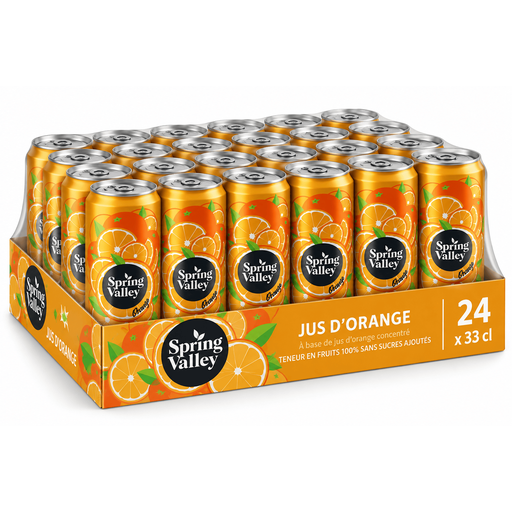 Image unavailable
The pack of 24 330 ml containers is suitable for handing out individually at a sale.
If you’re specifically looking for fruit juice, check the product description and ingredients on the packaging of this sparkling orange drink.
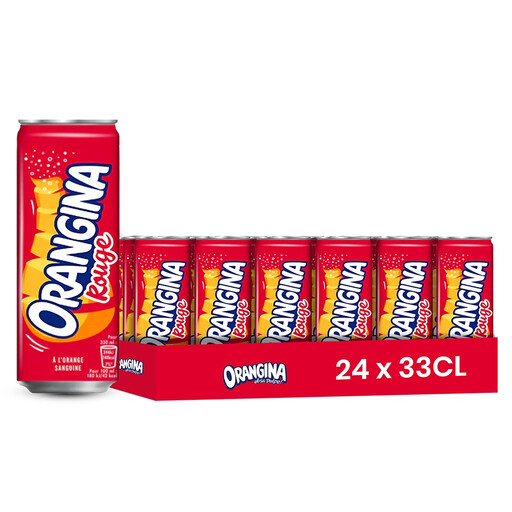 Image unavailable
The 24 330 ml containers make it easy to hand out drinks individually, without serving them by the cup.
To compare this sparkling drink with other fruity recipes, check the ingredients and nutritional information on the product you buy.
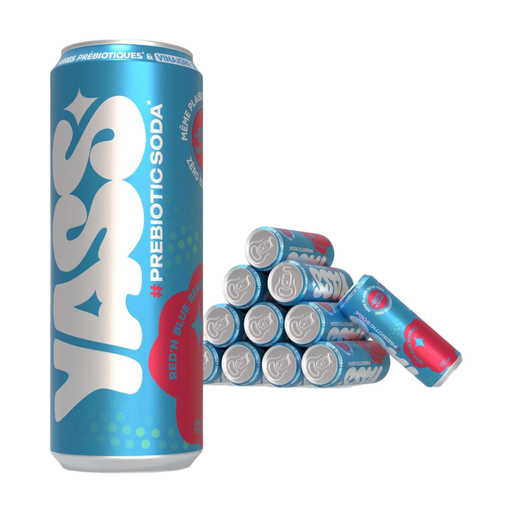 Image unavailable
The pack of 12 330 ml containers is suitable if you plan to hand out the drinks one at a time.
Check the product description, ingredients and alcohol statement on the packaging if these details affect your choice.
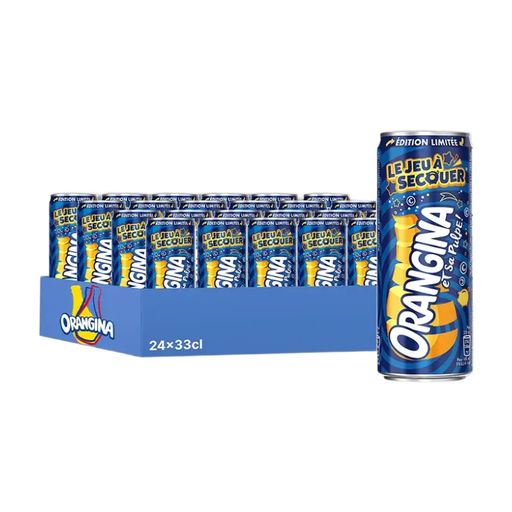 Image unavailable
The 24 330 ml cans can be handed out individually, so there’s no need to provide cups.
If the ingredients matter to you, compare the ingredients list and ‘of which sugars’ per 100 ml with those of the other drinks you’re considering.
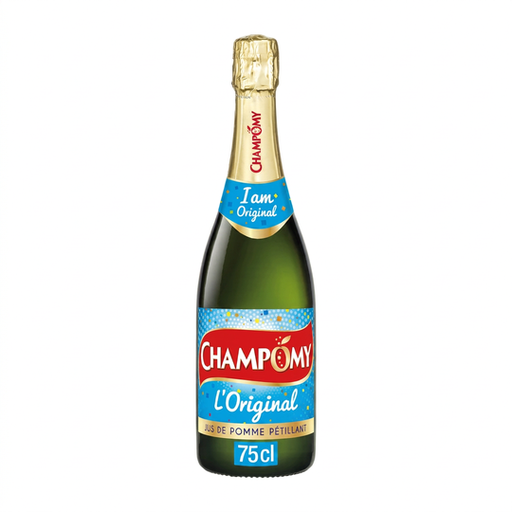 Image unavailable
The 750 ml bottle is better suited to serving at a counter than handing out individually, so make sure you have cups.
Before buying, check the ingredients, nutritional information and storage instructions after opening on the packaging.
No. A sparkling fruit drink may also contain water, juice from concentrate, sugar and flavourings, as is the case with the Festalie product listed by E.Leclerc. Check the product description and ingredients to find out what you’re buying.
Choose individual containers if you want to hand out drinks without pouring or providing cups. A 75 cl bottle is better suited to a stall where someone can serve drinks by the cup and keep the bottle chilled.
Follow the instructions on the bottle you buy and make sure you have somewhere cool to store opened containers. The Thomas Le Prince listings on Auchan advise keeping the drinks chilled and consuming them soon after opening. The Cœur de Pom' listing says to consume its product within five days of opening.
No. Check the statement on each product before using it in your sale communications. E.Leclerc states that the Festalie product is 0% vol. and describes a Bio Village product as alcohol-free; these statements don’t apply to the other drinks.