People keeping an eye on sugar
You want to distinguish between no added sugars and the total sugars listed in the drink, then compare the amount with the serving size.


For a weekday breakfast, start by checking what kind of drink it is: sparkling juice made from fruit and CO₂ is not the same as a fizzy drink that also contains water, sugar or flavourings. Then compare the sugars listed per 100 ml with the amount you plan to serve. Individual portions make serving easier, while a 75 cl bottle means you’ll need to check how to store it after opening.
You want to distinguish between no added sugars and the total sugars listed in the drink, then compare the amount with the serving size.
You’re looking for a sparkling drink made mainly from fruit and CO₂, rather than a recipe based on water, juice from concentrate and flavourings.
You’re choosing between a bottle to share, which means following its storage instructions after opening, and individual portions that save you from keeping an opened bottle.
To compare sparkling pure juice, an apple and pear blend, and a fruit drink in individual portions, start with the product description and ingredients, then check the nutrition information and storage instructions.
| What to compare | What to check | Who is it for? |
|---|---|---|
| Sugars | Compare the “of which sugars” figure per 100 ml with the amount you’ll actually pour. Check separately for any “no added sugars” claim. | If I serve this drink regularly in the morning, I want to know how much sugar is in my glass, even if none has been added. Around 42% of consumers would make this their priority. |
| What’s in the recipe | Read the product description and ingredients: fruit and CO₂, or water, juice from concentrate, sugar and flavourings. | I want a recipe centred on fruit, not just a fruity flavour with bubbles. Around 33% of consumers would prioritise this distinction. |
| Pack size and storage | Check the volume, number of portions and storage instructions after opening for the specific product you choose. | On mornings when everyone helps themselves at different times, I prefer a container that suits how much will actually be drunk, to limit leftovers. Around 25% of consumers would prioritise this practical consideration. |
Bubbles don’t tell you what’s in a drink. The DGCCRF distinguishes between the product descriptions for juices and nectars; a fruit drink may also contain water, sugar and flavourings.
Read the product description, then check the ingredients and the proportion of fruit, if this is shown on the label.
Sugars naturally present in fruit are included in the nutrition information. Auchan’s product listing for Coeur de Pom’ sparkling apple juice, for example, gives 10 g of sugars per 100 ml.
Compare the “of which sugars” figure per 100 ml and take account of how much you pour into each glass.
A large bottle can be convenient for sharing, but you’ll need to follow the storage instructions for the specific product you buy. Auchan’s Coeur de Pom’ product listing says its apple version should be consumed within five days of opening.
If the bottle is likely to remain open for longer than the stated period, compare it with a smaller size, without assuming the ingredients will be the same.
A bottle that isn’t finished within the stated period may go to waste.
Auchan’s range includes 75 cl sparkling apple and apple-and-raspberry drinks.
Auchan’s range includes 75 cl sparkling apple juices, including an apple and pear recipe.
E.Leclerc lists an organic, non-alcoholic sparkling apple juice in a 75 cl bottle.
Auchan lists a traditional sparkling pure apple juice in a 75 cl bottle.
E.Leclerc lists a non-alcoholic sparkling red fruit drink in four 27.5 cl bottles.
These products are best suited to anyone looking for sparkling drinks in individual portions for the morning. Their product names describe drinks or lemonade, so if you’re specifically looking for juice or pure juice, check the product description and ingredients before choosing.
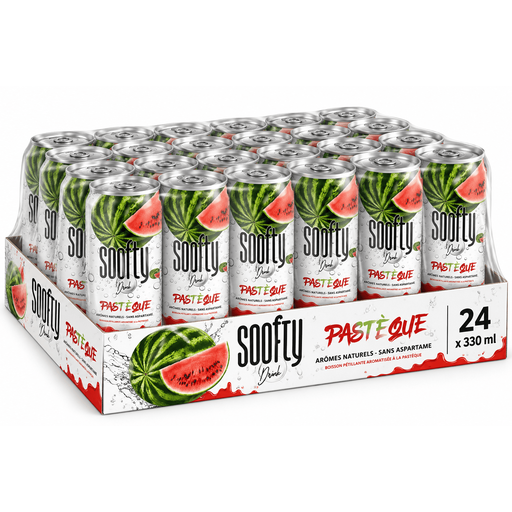 Image unavailable
Worth considering if you’d like to serve individual cans at breakfast. The pack contains 24 × 330 ml cans. To distinguish it from pure juice, check the product description, fruit content and “of which sugars” figure on the packaging.
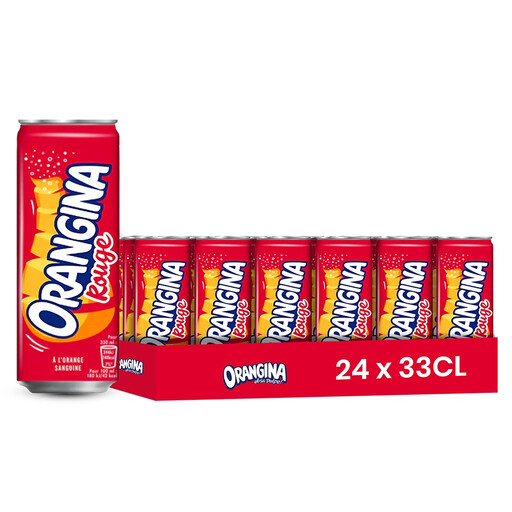 Image unavailable
The pack of 24 330 ml cans is handy for serving individual portions. If you’re comparing this drink with sparkling juice, read the product description and ingredients, and check the nutrition information on the can too.
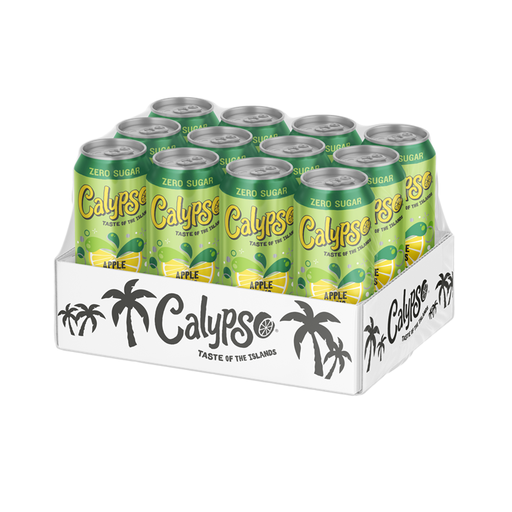 Image unavailable
This pack of 12 33 cl cans is handy for individual portions, but the product name describes a lemonade, not apple juice. If the ingredients matter to your choice, check the label for the ingredients and nutrition information.
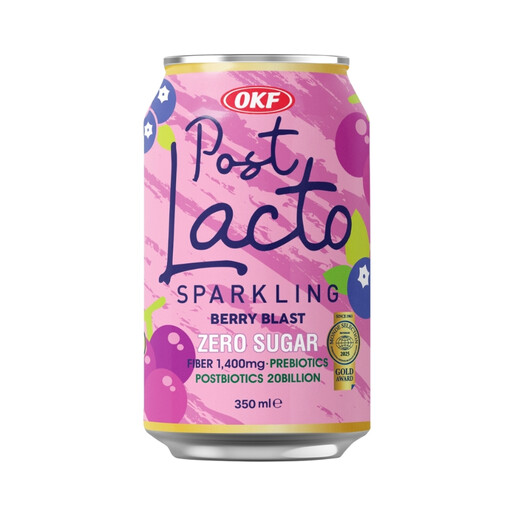 Image unavailable
The 350 ml container is handy for serving one portion without opening a large bottle. To see whether the recipe is right for you, check the product description, ingredients and sugar declaration on the packaging.
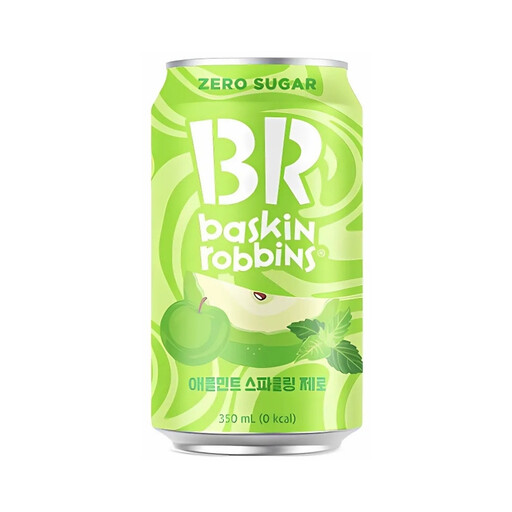 Image unavailable
The 350 ml size may suit you if you prefer an individual drink. The name suggests apple and mint, but doesn’t confirm that it’s apple juice, so check the product description and ingredients on the container.
Read the product description and ingredients rather than relying on the word “sparkling”. The DGCCRF explains that the terms used for juices and nectars are regulated. A recipe containing water, sugar, flavourings and juice from concentrate should be considered a fruit drink, rather than assumed to be pure juice.
No. Fruit can contain sugars even when none have been added. Check the “of which sugars” figure per 100 ml, then compare it with the amount you plan to serve.
Juice isn’t the same as whole fruit. Manger Bouger recommends choosing whole fruit rather than juice, partly because juice contains less fibre. Choose the drink for what it is, rather than treating it as a direct substitute for fruit.
Follow the instructions on the bottle you buy: the recommended storage period can vary between products. For its sparkling apple version, Auchan’s Coeur de Pom’ product listing says to keep it chilled and consume it within five days of opening.
Don’t assume so just because a drink is described as “sparkling”. E.Leclerc’s listings for the Bio Village and Festalie products mentioned here describe them as non-alcoholic. Check this detail for the specific variant you choose.