Who is this choice for?

Parents planning a celebratory snack

You’d like to serve a sparkling drink now and then, without replacing water. Manger Bouger advises limiting juice and other sugary drinks to half a glass a day for under-11s, and a maximum of one glass a day for over-11s.

Shoppers who check the recipe

You want to tell sparkling juice apart from a drink that may also contain ingredients such as sucrose, flavourings or de-alcoholised wine. The product description, ingredients, allergens and ‘of which sugars’ line help you compare products without relying on the word ‘sparkling’ alone.

Families sharing a bottle

You’re planning to serve several glasses at a one-off snack. With a 75 cl bottle, the number of portions and storage instructions after opening matter just as much as the flavour you choose.

What should you compare before buying?

Start by distinguishing sparkling fruit juice from other sparkling fruit drinks, then compare the nutrition information and the size you actually plan to serve.

Criteria What to check Who it matters to
How sugary drinks fit in Compare the sugars per 100 ml, then take the child’s age and the size of the glass served into account. For my child’s snack, I want sparkling drinks to remain an occasional treat, not replace water every day; around 42% of consumers put limiting sugary drinks first.
Ingredients Read the product description, ingredients and allergen information. In particular, look for sucrose or de-alcoholised wine if you want to avoid them. If two bottles have festive names, I want to know which one is juice and which uses a different recipe. Ingredients are the top priority for around 33% of consumers.
Size and storage Work out how many glasses you plan to serve and follow the instructions for refrigeration and consumption after opening. When we share a bottle during the holidays, I look for a size that suits the portions we’re planning, so there’s not too much left over; around 25% of consumers prioritise this practical consideration.

Common mix-ups to avoid

  • Taking ‘no added sugar’ to mean ‘sugar-free’

    Sugars naturally present in fruit are also included in the nutrition information. Auchan’s product pages for COEUR DE POM’ and CHAMPOMY Original each list 10 g of sugars per 100 ml.

    Compare the ‘of which sugars’ line on the same 100 ml basis, then consider how much you’ll serve.

  • Assuming every non-alcoholic sparkling drink is juice

    An aperitif-style drink can be very different from sparkling juice. Auchan’s product page for D’ARTIGNY Fruits Rouges lists, among other ingredients, de-alcoholised wine, sucrose and sulphites.

    Before choosing a drink for a snack, read the product description and ingredients list. Check the allergen information if there are ingredients you need to avoid.

  • Choosing a 75 cl bottle without planning the portions

    A bottle designed for sharing won’t necessarily match the amount you need for one snack. Auchan’s product pages for COEUR DE POM’, CHAMPOMY Original and CHAMPOMY Gold advise refrigerating the bottles and consuming them within five days of opening.

    Estimate how many glasses you’ll serve and follow the instructions on the bottle you buy.

Brands to know

COEUR DE POM’

A 75 cl bottle of sparkling apple juice with fine bubbles.

  • Auchan’s product page lists 99.6% apple and 0.4% CO₂.
  • The same page lists 10 g of sugars per 100 ml: ‘no added sugar’ does not mean ‘sugar-free’.

CHAMPOMY

Two 75 cl sparkling juices to compare by recipe: Original with apple, and Gold with apple and peach.

  • According to Auchan’s product pages, Original contains apple juice and carbon dioxide, while Gold combines 90% apple juice with 10% peach juice from concentrate.
  • These pages list 10 g and 12.1 g of sugars per 100 ml, respectively. So a different flavour is no reason to skip the nutrition information.

SAVEURS DES TERROIRS

A Carrefour sparkling apple juice in a 75 cl bottle.

  • Carrefour’s product page lists apple juice and CO₂ as the ingredients.
  • Read its ‘no added sugar’ claim alongside the nutrition information: on its own, it doesn’t tell you how much sugar is in a glass.

D’ARTIGNY

A non-alcoholic, aperitif-style sparkling drink, distinct from the sparkling fruit juices featured here.

  • Auchan’s product page features a red berry variety in a 4 × 27,5 cl pack.
  • This recipe contains, among other ingredients, water, de-alcoholised wine, red fruit juice from concentrate, sucrose and sulphites. It shouldn’t be compared with sparkling apple juice on bubbles alone.

Sparkling drinks on Joybuy

These two sparkling drinks have fruity flavours and come in different sizes for a snack. Before choosing, check their product descriptions and labels to distinguish them from sparkling fruit juice with a short ingredient list.
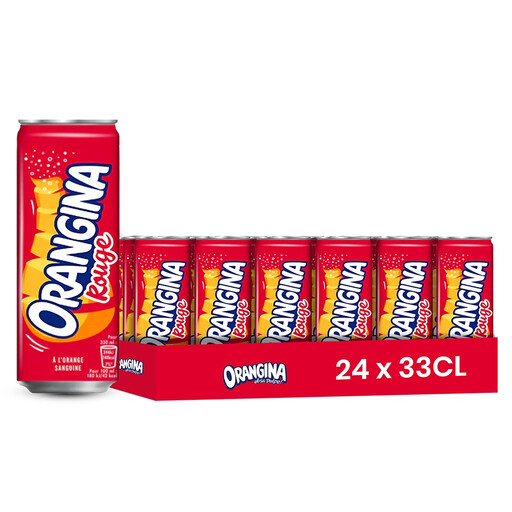
Orangina Orange & Red Berries sparkling drink, pack of 24 × 330 ml

Orangina Orange & Red Berries sparkling drink, 24 × 330 ml

The pack of 24 330 ml cans could suit a shared snack where several drinks are needed. The product name describes a sparkling drink with orange and red berry flavours, not sparkling fruit juice; check the ingredients and sugars on the packaging.

View on Joybuy
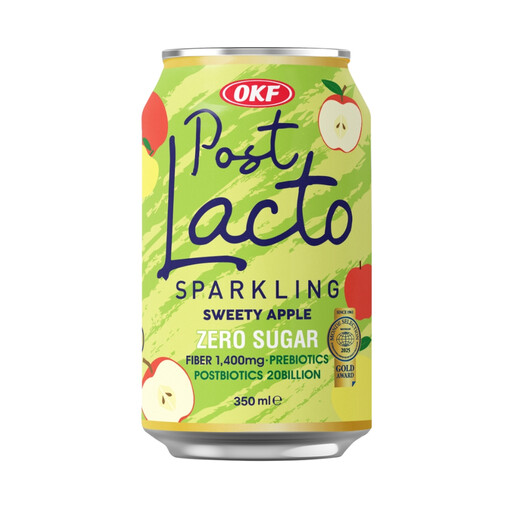
OKF PostLacto Zero Sugar Apple Cinnamon, 350 ml sparkling drink

OKF PostLacto Zero Sugar Apple Cinnamon, 350 ml

This 350 ml size is for anyone looking for a sparkling drink with apple and cinnamon notes rather than a bottle to share. For a snack, check the product description, ingredients and ‘of which sugars’ line on the packaging instead of assuming it’s sparkling apple juice.

View on Joybuy

Frequently asked questions

Can sparkling juice become a child’s everyday snack drink?

No. For children, bubbles don’t change the guidance on juice. Manger Bouger advises limiting juice and other sugary drinks to half a glass a day for under-11s, and a maximum of one glass a day for over-11s. Water should remain the everyday drink.

Does ‘no added sugar’ mean ‘sugar-free’?

No. Juice can contain sugars naturally present in fruit. To find out how much sugar is listed, check the ‘of which sugars’ line in the nutrition information and compare drinks per 100 ml.

How can you tell sparkling juice from a non-alcoholic aperitif-style drink?

Check the product description and ingredients. Auchan’s product page for CHAMPOMY Original lists apple juice and carbon dioxide, while its page for D’ARTIGNY Fruits Rouges lists, among other ingredients, water, de-alcoholised wine, sucrose and sulphites.

How long can you keep an opened 75 cl bottle?

Follow the instructions on the bottle you buy. Auchan’s product pages for COEUR DE POM’, CHAMPOMY Original and CHAMPOMY Gold advise refrigerating the bottles and consuming them within five days of opening.