Hosts looking for a recipe that’s mainly fruit
If you want to serve something sparkling without choosing a flavoured drink or one made with a dealcoholised base, compare the fruit content and ingredient lists on the bottles.


For a fruit-led Christmas drinks party, start with sparkling juices whose ingredient list states the proportion of juice. If you prefer individual servings or a drink made with a dealcoholised base, check the sugar content, stated alcohol level and allergens too: ‘alcohol-free’ does not necessarily mean ‘0.0% vol.’.
If you want to serve something sparkling without choosing a flavoured drink or one made with a dealcoholised base, compare the fruit content and ingredient lists on the bottles.
If you need the alcohol level to be 0.0% vol., look for a clearly stated figure on the bottle. Also check the listed allergens, particularly sulphites in some drinks made with a dealcoholised base.
If you’d rather not open several large bottles, compare smaller formats. Their convenience doesn’t tell you how much juice they contain or how much sugar they have.
Choose this if: you’re primarily looking for a recipe where fruit takes centre stage, such as the sparkling apple drinks described by Carrefour and E.Leclerc.
Bear in mind: this is different from a red-berry-flavoured drink or an aperitif made with a dealcoholised base.
Choose this if: you prefer individual servings and a fruity flavour. E.Leclerc, for example, lists Festalie in a pack of 4 × 27.5 cl.
Bear in mind: this recipe also contains water, sugar and flavourings, so the look of the bottle alone doesn’t make it comparable to pure juice.
Choose this if: you’re looking for a sparkling aperitif-style drink rather than a simple juice.
Bear in mind: Auchan’s listing for D'Artigny red berries mentions sugar and sulphites, but describes its base as both cider and dealcoholised wine. Check the label if this distinction matters to you.
| What to consider | What to check | Who is it for? |
|---|---|---|
| Fruit content | The proportion of fruit or juice, and whether the ingredients include added sugar. | I want fruit to make up most of the drink, rather than choosing based on its festive appearance alone. Around 36% of consumers prioritise this. |
| Alcohol and allergens | The stated alcohol level if 0.0% vol. is essential, as well as any declared allergens. | If I need to avoid any uncertainty about alcohol or sulphites, the label matters more to me than the advertised flavour. Around 29% of consumers put this check first. |
| Serving and flavour | The capacity of each bottle or can, and the stated fruit flavour. | I want to serve individual portions easily and offer a flavour that suits my drinks party. Convenience and taste are priorities for around 21% of consumers. |
| Availability and quantity | The product available at your chosen shop and a size that suits the number of guests. | When getting the table ready, I mainly need enough for everyone and a bottle I can actually buy at my chosen shop. Around 14% of consumers put this need first. |
These two statements don’t mean the same thing: the words ‘alcohol-free’ alone don’t confirm a zero alcohol level.
If 0.0% vol. is essential, check the stated alcohol level on the bottle you choose.
Carrefour lists apple and raspberry for Cœur de Pom apple and raspberry, while the Festalie recipe described by E.Leclerc also includes water, sugar and flavourings.
Before comparing two sparkling drinks, check the product description, ingredients and nutritional information per 100 ml.
A drink made with a dealcoholised base won’t necessarily have the same ingredients as a carbonated apple juice: Auchan lists sulphites in D'Artigny red berries.
If you want to avoid this allergen, check whether it’s declared on the label of the product you buy.
E.Leclerc advises customers to check availability of its Bio Village sparkling apple juice with the relevant store. An improvised replacement could mean a different recipe or format from the one you planned.
Find another drink in the same category and compare its label before making your final choice.
Sparkling apple drinks, including an apple and raspberry option in a 75 cl bottle.
An organic sparkling apple juice listed by E.Leclerc in a 75 cl bottle.
A sparkling red-berry drink available in a pack of 4 × 27.5 cl.
A sparkling red-berry drink made with a dealcoholised base, rather than a simple sparkling juice.
A juice and fruit-drink brand that can help you tell different product categories apart.
These two multipacks make it easy to serve individual portions of sparkling fruit drinks at your Christmas get-together. However, if you’re looking for a recipe made mostly from fruit, compare the ingredients of sparkling juices instead.
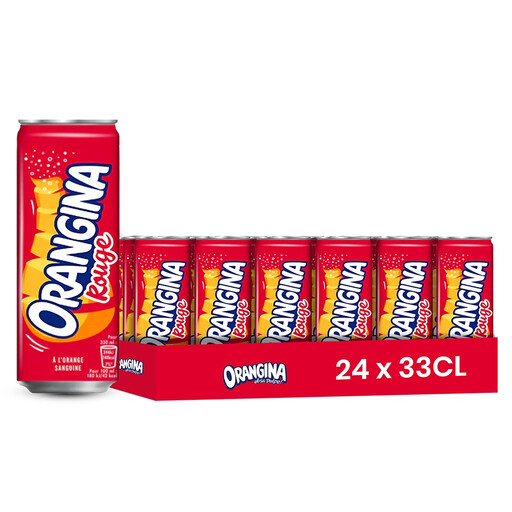 Image unavailable
This multipack offers a sparkling orange and red-berry drink for serving individual portions at your Christmas get-together. It’s a fruit drink, not a sparkling pure juice, so check the juice content and ingredients on the packaging you choose.
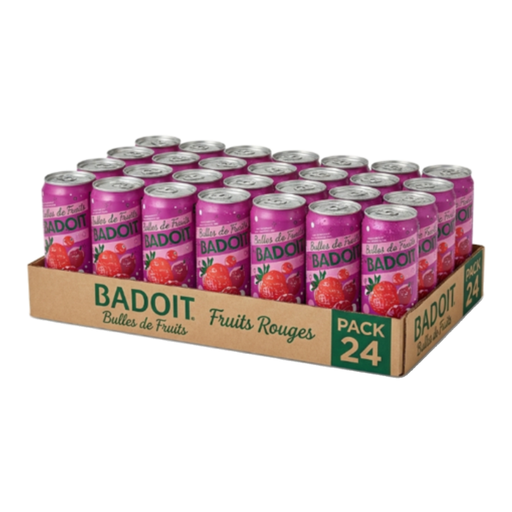 Image unavailable
This multipack of smaller cans is a good choice if you’d like to share drinks among your guests and offer a red-berry flavour. Compare its ingredients with those of a sparkling juice before you decide: a drink made with sparkling mineral water isn’t a juice made mostly from fruit.
No. The words ‘alcohol-free’ alone aren’t enough to confirm an alcohol level of 0.0% vol. If this figure is essential to your choice, check the stated level on the bottle of the variant you buy.
Check the product description and the first ingredients listed, then look at the stated fruit content. Carrefour describes Cœur de Pom apple and raspberry as being made with apple, raspberry and CO₂; the Festalie drink listed by E.Leclerc also contains water, sugar and flavourings.
Yes, if you want to avoid this allergen, check the declaration on the bottle. Auchan lists sulphites in its D'Artigny red-berry drink made with a dealcoholised base; this doesn’t mean that all sparkling juices contain sulphites.
Follow the instructions on the bottle you’ve chosen. Auchan’s listing for Thomas Le Prince sparkling apple and raspberry says to keep it chilled and drink it soon after opening. Don’t assume the same advice applies to every recipe.