Parents mindful of serving sizes
You’re looking for a sparkling drink for a special occasion, without leaving a whole bottle within easy reach of the children. How much you pour matters just as much as the pack size you buy.


For an occasional treat, first choose between sparkling juice and a fizzy fruit juice drink: they may have different product descriptions and ingredients. Then check that it is labelled alcohol-free, the sugar content per 100 ml and the amount you plan to serve. A recipe labelled ‘no added sugar’ may still contain sugars from the fruit.
You’re looking for a sparkling drink for a special occasion, without leaving a whole bottle within easy reach of the children. How much you pour matters just as much as the pack size you buy.
You want to tell the difference between juice made from fruit and CO₂, and a fizzy drink containing juice from concentrate and other ingredients. ‘No added sugar’ is no substitute for checking the nutritional information.
If you’re sharing a fizzy drink, compare the flavours and pack sizes, then check that it’s labelled alcohol-free and read the storage instructions for after opening.
For a children’s snack, first decide how much you’ll serve, then compare the type of drink and its ingredients. Choose the flavour and pack size next, and check what to do if you don’t finish the bottle.
| Criteria | What to check | Who it matters to |
|---|---|---|
| Portion size and frequency | How much you pour, and any other juice or sugary drinks consumed that day. Manger Bouger provides a daily guideline for children aged 4–17. | If I’m serving a bottle to share, I want to control how much each child gets. Around 42% of consumers put portion control first. |
| Ingredients and sugars | The product description, ingredient list and ‘of which sugars’ figure per 100 ml: ‘sparkling’ doesn’t mean ‘sugar-free’. | Before choosing, I want to know whether I’m buying sparkling juice or a fizzy fruit juice drink. For around 33% of consumers, the type of recipe is the main consideration. |
| Flavour and sharing | The flavour, volume, alcohol-free label and storage instructions for the product you choose. | For a shared snack, I’m looking for a flavour everyone will enjoy and a container that makes it easy to manage any leftovers. A fun, practical option comes first for around 25% of consumers. |
Auchan’s product pages for COEUR DE POM’ apple and apple-raspberry sparkling juices each show 10 g of sugars per 100 ml, despite this claim.
Check the ‘of which sugars’ figure per 100 ml and decide how much to pour, rather than relying on the claim on the front of the pack.
According to E.Leclerc’s product page, FESTALIE red berries contains water, juice from concentrate, sugar and flavourings, among other ingredients. Its recipe differs from the sparkling apple juices made with juice and CO₂ described by Auchan.
Read the product description and ingredients for each product before comparing flavours.
The 75 cl size is handy for sharing, but it doesn’t determine how much a child should be served. For children aged 4–17, Manger Bouger recommends limiting the daily total of juice and other sugary drinks to half a glass before age 11, and no more than one glass from age 11 onwards.
Pour out portions rather than leaving the bottle out for everyone to help themselves, and offer water as the usual drink.
Storage instructions vary by product. For CHAMPOMY L’Original, Auchan says to keep it in the fridge and drink it within five days of opening.
Choose a volume that suits the number of portions you plan to serve, and follow the instructions on the bottle you buy.
An opened 75 cl bottle could go to waste if you can’t finish it within the stated timeframe.
Sparkling apple juices, including an apple-raspberry variety, in 75 cl bottles.
Sparkling organic apple and apple-pear varieties in 75 cl bottles.
L’Original sparkling apple juice comes in a 75 cl bottle.
A 75 cl bottle of organic sparkling apple juice, labelled alcohol-free on E.Leclerc’s product page.
A fizzy fruit juice drink made with juice from concentrate, also available in a red berries flavour in a 4 × 27.5 cl pack.
These products let you compare bottled sparkling apple juice with several canned fizzy fruit drinks. For a children’s snack, check the type of drink and the label on each product before deciding how much to serve.
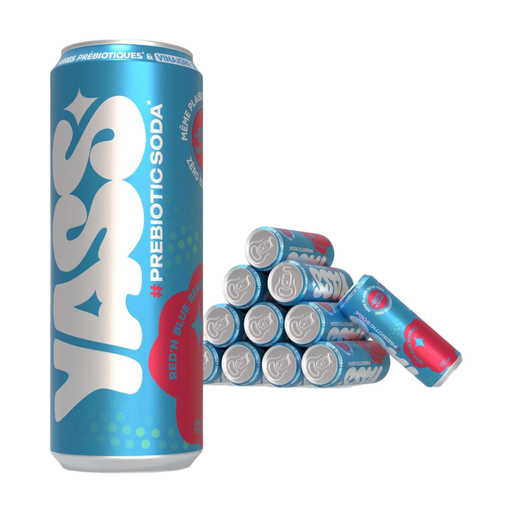 Image unavailable
This multipack is handy for serving cans at a shared snack, but a whole can doesn’t have to be a child’s serving.
This is a sparkling red berry drink, which is different from juice made with just fruit and CO₂. Check that the specific product you choose is labelled alcohol-free.
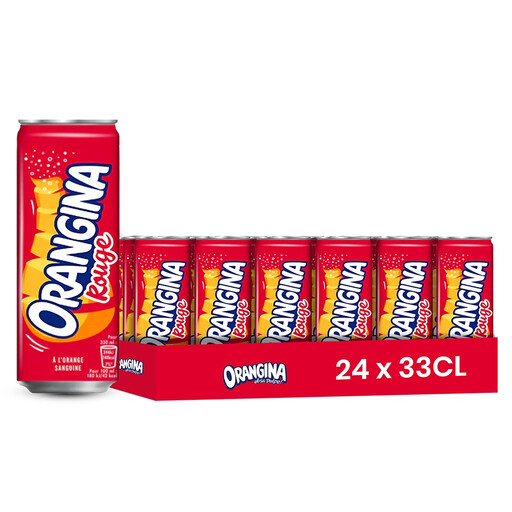 Image unavailable
The orange and red berry flavour could be a good choice if you’re after a fizzy fruit drink rather than sparkling apple juice.
The pack contains 24 cans of 330 ml. Decide how much you’ll pour, and check the ingredients and alcohol-free label on the packaging.
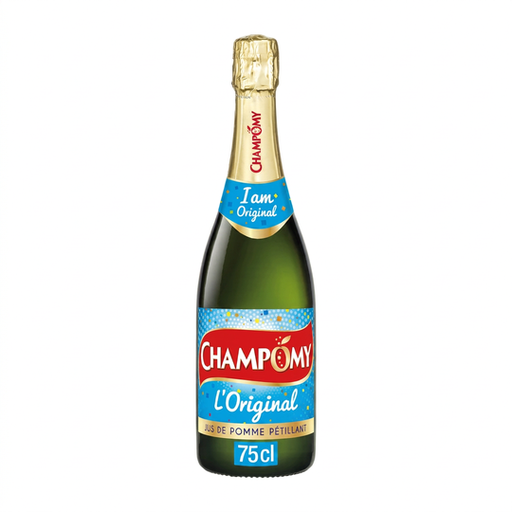 Image unavailable
If you’re planning a shared snack with an apple flavour, this product’s listing says it contains apple juice and carbon dioxide.
The bottle contains 750 ml: pour the amount you want rather than leaving it within easy reach. Check the ‘of which sugars’ figure and the after-opening instructions on the label of the product you buy.
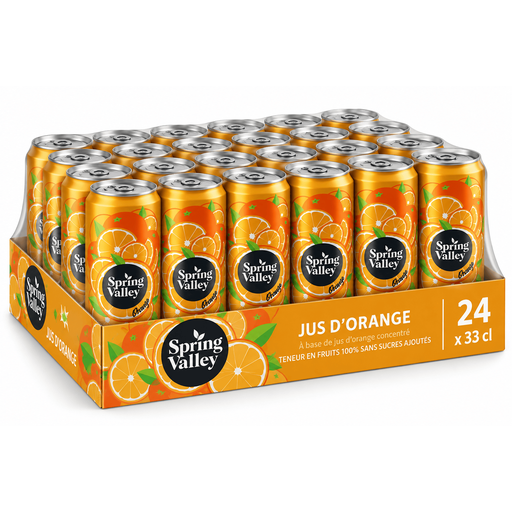 Image unavailable
This sparkling orange drink in cans offers a different flavour and makes it easy to serve individual portions, but it shouldn’t be confused with juice made using just fruit and CO₂.
The pack contains 24 cans of 330 ml. Check the ingredients and alcohol-free label, and decide how much you want to serve.
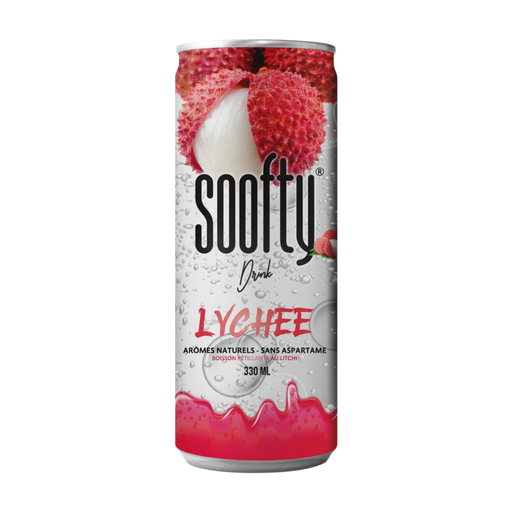 Image unavailable
If you’re considering lychee rather than apple or orange, compare this sparkling drink with sparkling juices by checking its product description and ingredients.
The pack contains 24 cans of 330 ml. Check that it’s labelled alcohol-free, and serve the amount you choose rather than treating a whole can as a child’s portion.
For children aged 4–17, Manger Bouger recommends limiting all fruit juices and other sugary drinks to half a glass a day before age 11, and no more than one glass a day from age 11 onwards. This guideline applies to the whole day, not to each drink offered at snack time; it doesn’t give a recommended amount here for children under 4.
Yes, it may contain sugars that occur naturally in fruit. Auchan’s product pages for COEUR DE POM’ apple and apple-raspberry each show 10 g of sugars per 100 ml, so check the nutritional information on the bottle you choose.
No. The product description and ingredient list help you tell the different categories apart. E.Leclerc’s product page describes FESTALIE red berries as a fizzy drink containing water, juice from concentrate and sugar, among other ingredients, while Auchan’s product page for CHAMPOMY L’Original lists apple juice and carbon dioxide.
Yes. ‘Sparkling’ describes the bubbles; it doesn’t tell you whether a drink contains alcohol. Check the label on the exact product you’re considering. E.Leclerc’s product pages for Bio Village and FESTALIE state that those products are alcohol-free.
Follow the storage instructions on the bottle you buy, and choose a size that suits the portions you plan to serve. Auchan says to keep CHAMPOMY L’Original in the fridge and drink it within five days of opening; instructions may differ for other products.