What should you look for before buying?
First, check the product description and ingredients to decide what type of drink you want. Then compare the nutritional information and packaging of the options that suit your needs.
| What to consider |
What to check |
Who is it for? |
| Ingredients |
Product description and ingredients list: juice, water, sugar and any other ingredients. Also compare the ‘of which sugars’ figure per 100 ml. |
If I want a recipe focused on fruit, I need to be able to tell it apart from a fizzy drink that contains juice alongside other ingredients. Around 50% of consumers put ingredients at the top of their list of priorities. |
| Occasion and serving |
Volume per container, number of bottles and storage instructions after opening; whether it contains sulphites or de-alcoholised wine, depending on your preferences. |
When serving drinks with an aperitif or meal, I’d rather know whether a bottle to share or individual portions will be more practical. This is the top priority for around 33% of consumers. |
| Planning your shop |
Total volume, number of containers and availability at the shop or for your chosen collection option. |
When I’m planning drinks for the week, I want the right amount without unnecessarily opening lots of bottles. Around 17% of consumers put this planning consideration first. |
Individual fruit drink portions on Joybuy
These products are individual portions of fruit drinks to consider for your weekly shop. They shouldn’t be confused with the sparkling fruit juices mentioned above. If you’re looking for pure juice, check the product description and ingredients for each item.
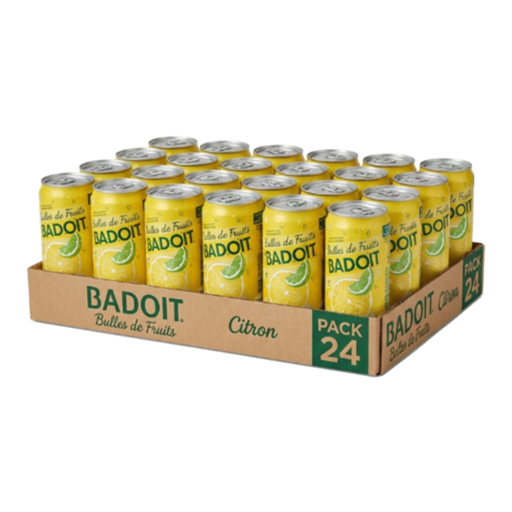 Image unavailable
Badoit Fruit Bubbles Lemon & Touch of Lime, 24 × 33 cl
A multipack of small bottles to consider if you’re planning several individual servings. This is a fizzy fruit drink, not a pure juice. Check the label to compare its ingredients with those of a sparkling juice.
View on Joybuy
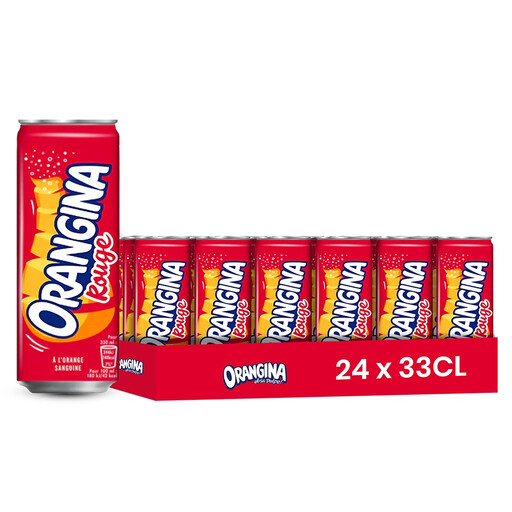 Image unavailable
Orangina Orange & Red Berries Reduced Sugar, 24 × 330 ml
This pack of 24 cans is handy for serving individual portions. This sparkling orange and red berry drink isn’t a pure juice, so check the label to compare its nutritional information and ingredients.
View on Joybuy
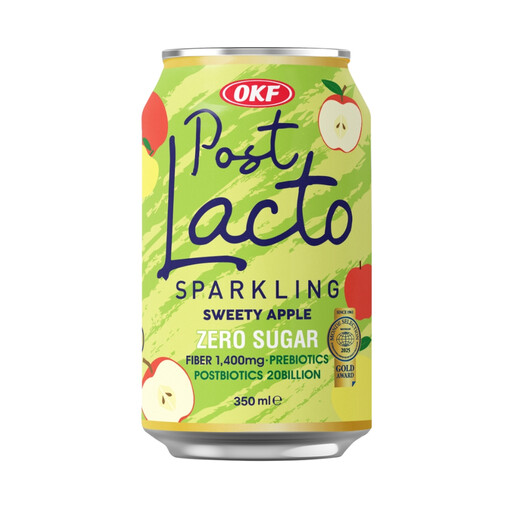 Image unavailable
OKF PostLacto Zero Sugar Apple Cinnamon, 350 ml
The 350 ml container is a handy individual portion. This sparkling apple and cinnamon drink shouldn’t be confused with pure apple juice. Check the ingredients and nutritional information to assess the recipe.
View on Joybuy
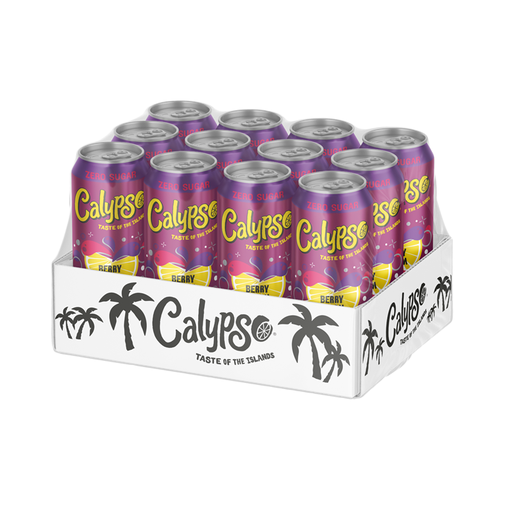 Image unavailable
Calypso Sparkling Lemonade Berry Bloom Zero Sugar, 12 × 33 cl
This pack of 12 cans could be useful if you need individual portions. It’s a sparkling red berry lemonade. If the presence of fruit juice matters to you, check the ingredients list before choosing it.
View on Joybuy
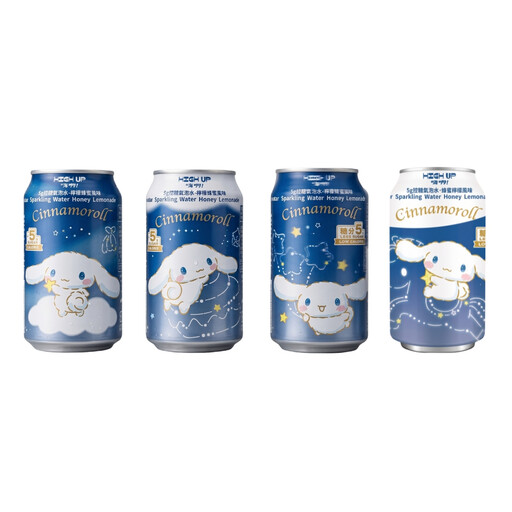 Image unavailable
HIGH UP Cinnamoroll Less Sugar Honey Lemonade, 330 ml
The 330 ml size is suitable for an individual serving of lemon and honey. It isn’t pure fruit juice. If you’re comparing it with sparkling juices, check the product description, ingredients and ‘of which sugars’ figure.
View on Joybuy
Frequently asked questions
Is a ‘sparkling alcohol-free’ drink always a fruit juice?
No. ‘Sparkling alcohol-free’ doesn’t tell you how much juice a drink contains or what else is in it. Auchan’s listing for D’Artigny describes a drink containing water, de-alcoholised wine, red fruit juice from concentrate and sucrose, among other ingredients. Check the product description and recipe to tell the different categories apart.
How can I find a sparkling juice with a short ingredients list?
Start with the product description, then check the full ingredients list for the bottle you’re considering. As examples of specific products, E.Leclerc describes Bio Village as a carbonated apple juice containing 99.5% organic apple juice and carbon dioxide, while Auchan describes Rothgerber as ‘100% pure juice’.
Does ‘no added sugars’ mean ‘sugar-free’?
No. Sugars naturally present in fruit may still appear in the nutritional information. To compare two drinks, check the ‘of which sugars’ figure per 100 ml, even if one is labelled ‘no added sugars’.
What size should you buy for the week?
Choose a size to suit the number of people you’re serving and the occasions you have planned. A 75 cl bottle is made for sharing, while four 27.5 cl containers make it easy to serve separate portions. Compare the total volume and check the storage instructions after opening if you plan to use a bottle over several days.


