Those who want bubbles
For a quick breakfast, the sparkling sensation matters more than the fruit mix alone. Check for the words “fizzy”, “sparkling” or “carbonated”, then check what type of drink it actually is.


If bubbles are a must at breakfast, first look for an explicit statement that the drink is sparkling: “mixed fruit” or “multivitamin” isn’t enough. Then check its product name and ingredients, as a sparkling fruit drink, mixed fruit juice and nectar aren’t like-for-like products.
For a quick breakfast, the sparkling sensation matters more than the fruit mix alone. Check for the words “fizzy”, “sparkling” or “carbonated”, then check what type of drink it actually is.
The product name, ingredients, fruit content where stated, and sugars per 100 ml make it easier to compare products without relying solely on their name or a claim on the front of the pack.
An individual container can be handy to take with you, while a family-size pack serves a different purpose. Check the amount you’ll actually serve and the nutritional information per portion.
Choose this if: you’re looking for a classic juice to serve quickly and don’t need it to be fizzy.
Bear in mind: juice doesn’t replace a portion of whole fruit, according to Manger Bouger.
Consider this if: its recipe and fruit content match what you’re looking for.
Bear in mind: nectar shouldn’t be treated as juice; check the ingredients of each product.
Consider this if: sparkling is your deciding factor and is clearly stated on the product page or packaging.
Bear in mind: containing several types of fruit doesn’t necessarily make a drink mixed fruit juice or nectar.
| Criteria | What to check | Who is it for? |
|---|---|---|
| Bubbles | Look for an explicit statement that the drink is “fizzy”, “sparkling” or “carbonated”, then read the product name. | If I want bubbles at breakfast, I don’t want to accidentally buy a classic juice; around 40% of consumers would make verifiable fizz their main criterion. |
| Ingredients and sugars | Compare the product name, ingredients and “sugars” per 100 ml on the same basis. | To choose between juice, nectar and a fruit drink, I need to understand the recipe rather than rely on “no added sugars”; almost 30% of consumers would put the ingredients first. |
| Size | Check the volume, number of units in a multipack and the amount you plan to serve. | When we’re in a hurry, I look for a container that suits the people who’ll be drinking it; pack size would be the priority for around 30% of consumers. |
“Mixed fruit” and “multivitamin” describe characteristics other than whether a drink is fizzy. The products listed by Carrefour, Auchan, E.Leclerc and Lidl include juices and nectars.
If bubbles are a must, look for an explicit statement that the product is carbonated.
Naturally occurring sugars are still included in the nutritional values. For example, E.Leclerc’s product page for Jafaden mixed fruit nectar with no added sugars states that it contains 9.8 g of sugars per 100 ml.
Read the ingredients list and compare the “sugars” per 100 ml, rather than inferring the amount from a claim on the front of the pack.
According to Manger Bouger, fruit juice doesn’t count as a portion of fruit and contains little fibre compared with whole fruit.
If you want to eat fruit at breakfast, have a piece separately rather than treating juice as an equivalent.
Carrefour’s product page for one Tropicana product describes a 1.5 L bottle of mixed fruit multivitamin juice.
Carrefour’s range includes both pure juices and mixed fruit nectars.
Auchan’s range includes pure juices, juice from concentrate and mixed fruit nectars in a variety of sizes.
E.Leclerc’s product pages for ECO+ and Jafaden show two mixed fruit recipes that you can compare by checking their product names.
Lidl lists one Solevita product as “pure mixed fruit juice”.
These two drinks combine several types of fruit and are described as sparkling drinks. If you’re specifically looking for mixed fruit juice or nectar, check their product names and ingredients before comparing them with those categories.
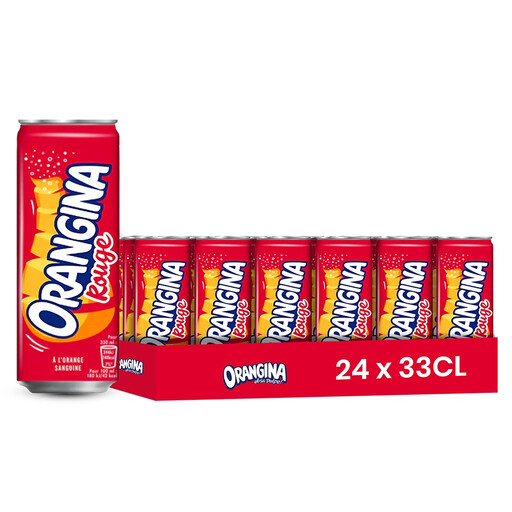 Image unavailable
For a breakfast where bubbles matter, this sparkling drink combines orange and red berries.
Pack of 24 x 330 ml. Check the product name and “sugars” per 100 ml on the packaging before comparing it with mixed fruit juice.
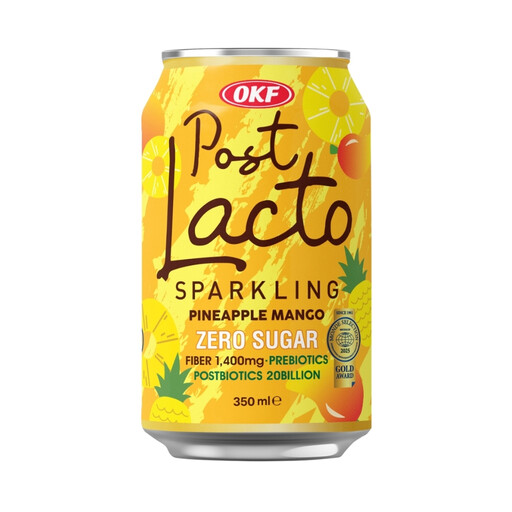 Image unavailable
This option combines pineapple, mango and fizz for those who prefer bubbles at breakfast.
Stated volume: 350 ml. Check the product name, container type and nutritional information on the packaging.
No: according to Manger Bouger, fruit juice doesn’t count as a portion of fruit. If you want to eat fruit, choose a whole piece separately from your juice.
No: a drink can contain naturally occurring sugars even if no sugars have been added. Check the “sugars” per 100 ml; for example, E.Leclerc’s product page for Jafaden nectar with no added sugars states that it contains 9.8 g per 100 ml.
Look for an explicit statement on the product page or packaging that the drink is fizzy, sparkling or carbonated. Check the product name too: containing several types of fruit doesn’t make a sparkling drink mixed fruit juice or nectar.