Hosts planning a non-alcoholic drink
If any of your guests don’t drink alcohol, check the ‘alcohol-free’ wording or the alcohol content on the specific product. A celebratory-looking bottle doesn’t tell you what you need to know.


To serve a bottle at the table during a barbecue, sparkling apple juice with a short ingredient list is a good choice if you’re looking for a fruit-led recipe. If you’d like to offer several flavours or individual portions, consider sparkling fruit drinks instead, but don’t mistake them for pure juice. Sparkling grape juice can also accompany pre-dinner drinks, but check the recipe of the variety you choose. In every case, compare the product description, ingredients, sugars per 100 ml, alcohol information and storage instructions after opening.
If any of your guests don’t drink alcohol, check the ‘alcohol-free’ wording or the alcohol content on the specific product. A celebratory-looking bottle doesn’t tell you what you need to know.
To tell sparkling juice apart from a flavoured fruit drink, read the product description and ingredients, then compare the sugars per 100 ml. The flavour on the label doesn’t tell you everything about the recipe.
Choose a size that suits the number of glasses you’ll be serving and your guests’ tastes. A 75 cl bottle is easy to share at the table, while smaller containers let you offer a selection of flavours.
First, choose between sparkling apple juice, a flavoured fruit drink and sparkling grape juice for pre-dinner drinks. Then compare recipes by checking the product description and ingredients. The format and storage instructions after opening will help you decide what’s right for the occasion.
| Criterion | What to check | Who is it for? |
|---|---|---|
| Recipe and alcohol | Product description, ingredients and ‘alcohol-free’ wording or alcohol content. | If I’m hosting guests who avoid alcohol, I want to identify the drink and its recipe clearly; around 31% of consumers would make this their top priority. |
| Sugars and ingredients | Juice content, added sugar, flavourings and sugars per 100 ml. | If several recipes have fruit-based names, I’d rather compare their ingredients before choosing; around 31% of consumers would prioritise this comparison. |
| Size and storage | Capacity per bottle or can, and storage instructions after opening. | If I want to serve a choice of flavours without leaving a large bottle unfinished, I prioritise individual portions; around 23% of consumers would put this criterion first. |
| Organic, origin or variety | Organic certification, origin and fruit variety for the product you’re considering. | If I’m looking for a specific apple variety or an organic product, I check these details first; around 15% of consumers would make this their main priority. |
E.Leclerc’s product listing for FESTALIE Red Berries mentions water, juices from concentrate, sugar and an acidity regulator, among other ingredients. Its recipe differs from the COEUR DE POM’ sparkling apple juice described by Auchan.
Compare the product description, ingredients list and juice content, if it appears on the label.
Sugars naturally present in fruit still count towards the total. Auchan’s listing for classic COEUR DE POM’ gives 10 g of sugars per 100 ml.
Check the ‘of which sugars’ line in the nutrition information per 100 ml for the products you’re comparing.
For the classic COEUR DE POM’ and CHAMPOMY bottles described by Auchan, an opened bottle should be kept in the fridge and consumed within 5 days. This guidance applies to those specific products only.
Work out how many glasses you’ll need and check the storage instructions before choosing between a large bottle and individual portions.
An opened bottle could go to waste if you can’t finish it within the stated timeframe.
E.Leclerc’s listing for BIO VILLAGE organic sparkling apple juice advises customers to contact their chosen store to check availability.
If you’re counting on a particular product for your barbecue, check it’s available at the store where you plan to shop.
Sparkling apple juice in 75 cl bottles, including classic and Pink Lady varieties.
L’Original sparkling apple juice in a 75 cl bottle, described as alcohol-free.
Organic, alcohol-free sparkling apple juice in a 75 cl bottle.
Sparkling fruit drinks, including a Red Berries variety in four 27.5 cl containers.
Sparkling grape juice drinks that the brand recommends for pre-dinner drinks or with a meal.
These products offer fruity flavours in cans or individual bottles, giving you more choice when serving drinks at a barbecue. They’re fizzy drinks, flavoured drinks or lemonades, so don’t choose them as substitutes for pure sparkling apple juice without comparing the ingredients. If it’s important that your guests avoid alcohol, check the information given for each product.
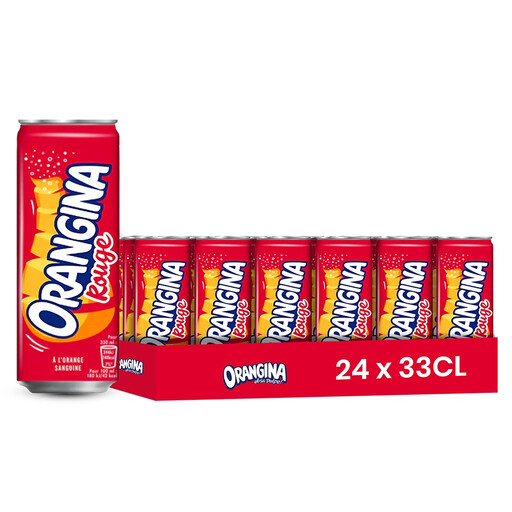 Image unavailable
Serve orange and red berry flavours in individual portions at your barbecue.
A sparkling drink in a pack of 24 330 ml cans. Check the ingredients and alcohol information if these are important to your choice.
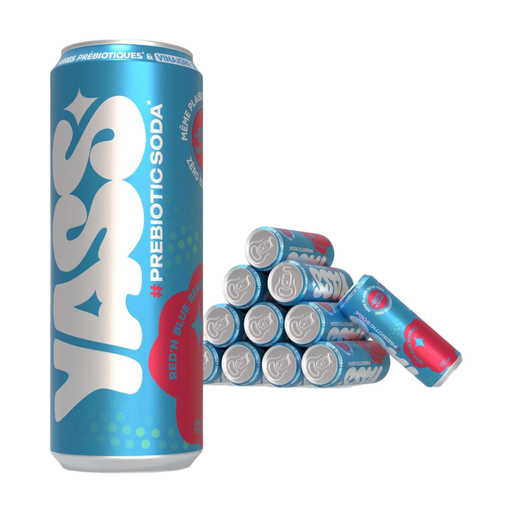 Image unavailable
Serve a berry-flavoured sparkling drink in individual portions.
Pack of 12 330 ml cans. Compare the ingredients list and check the alcohol information before choosing it for guests who avoid alcohol.
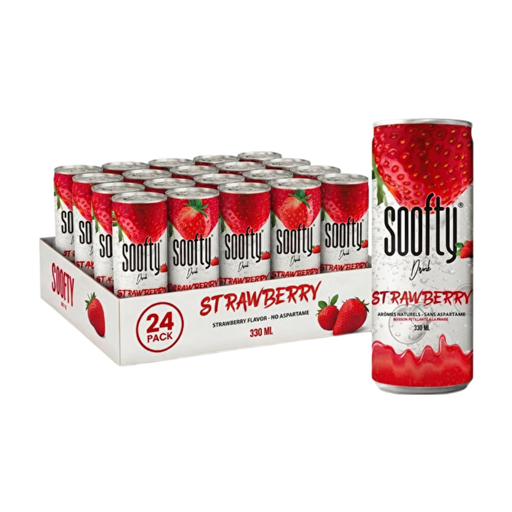 Image unavailable
Serve strawberry flavour in cans rather than from a shared bottle.
Pack of 24 330 ml cans. This is a flavoured fizzy drink, not fruit juice; check the label for ingredients and alcohol information.
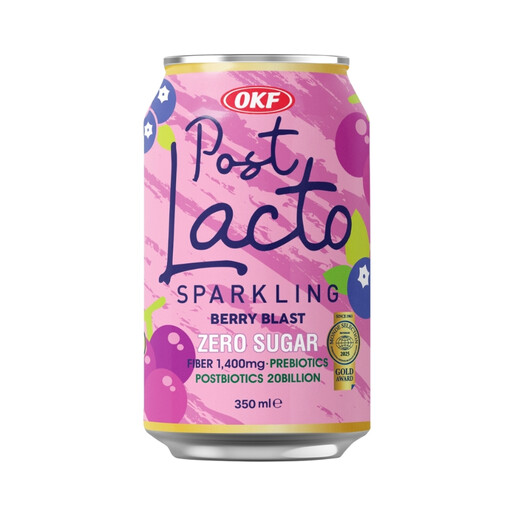 Image unavailable
Serve a berry-flavoured sparkling drink in an individual bottle.
350 ml bottle. ‘Zero Sugar’ is part of this variety’s name: check the ingredients and nutrition information for the product before comparing drinks.
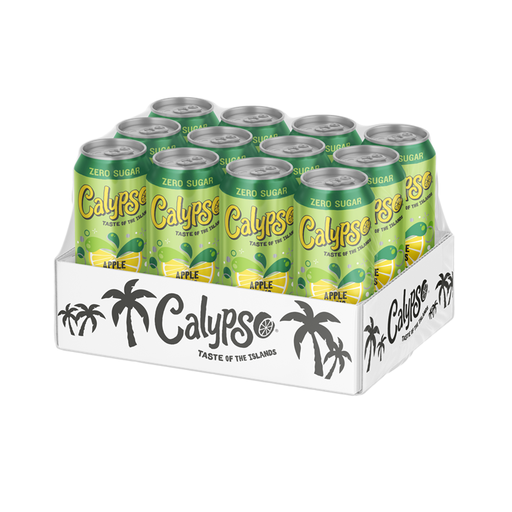 Image unavailable
Offer sparkling lemonade in individual portions to share at your barbecue.
Pack of 12 33 cl cans. The name suggests apple, but that doesn’t confirm the presence of apple juice: check the ingredients and nutrition information for the product.
No. ‘Sparkling’ describes the bubbles, not the amount of fruit. For a barbecue, read the product description and ingredients to tell carbonated apple juice apart from a drink that may contain water, juices from concentrate, sugar and flavourings.
No. Juice can contain sugars that occur naturally in the fruit. Auchan’s listing for classic COEUR DE POM’, for example, gives 10 g of sugars per 100 ml. Compare the ‘of which sugars’ line per 100 ml on the bottles you’re considering.
Follow the instructions on the bottle you buy. Auchan’s listings for classic COEUR DE POM’ and CHAMPOMY advise keeping the bottles in the fridge and consuming the contents within 5 days of opening. This timeframe may not apply to other products.
Check that the specific product is labelled organic, then read its ingredients and nutrition information. E.Leclerc’s listing for BIO VILLAGE organic sparkling apple juice states that it contains 99.5% apple juice from organic farming. The organic label alone doesn’t tell you how much sugar it contains or what it tastes like.