
Livraison le jour même ou le lendemain

Qualité garantie

Débloquez vos offres de bienvenue: Livraison GRATUITE | Jusqu'à -80 % | 30 jours d'essai gratuits à JoyPlus
Téléchargez l'application
Sparkling drinks do not serve the same purpose in every French household: sparkling water for everyday drinking, lemonade at teatime, a fruity drink with a family meal or sparkling wine as an aperitif. Yet with similar-looking packaging and marketing claims, it is not always easy to know what to choose.
Before you get to the checkout, three common pitfalls are worth bearing in mind:
Before comparing two drinks with a similar taste, start by reading the ingredients list. Sparkling water or plain sparkling mineral water may have a very short list of ingredients: natural mineral water and added carbon dioxide, for example.
For sparkling lemonade or a sparkling fruit drink, pay particular attention to:
For example, the BADOIT red berry flavour in a pack of 6 × 33 cl contains 4.2 g of sugar per 100 ml, while Perrier Forever raspberry flavour contains 0 g of sugar and 0 kcal per 100 ml, according to the information provided for these products. The two drinks therefore have different nutritional profiles, even though both offer a fruity note.
For regular consumption, the term ‘natural mineral water’ is not enough to distinguish between two bottles. Check the mineral analysis, paying particular attention to calcium, magnesium, sodium, bicarbonates and dry residue.
For example, the 1-litre bottle of San Pellegrino contains 164 mg/L of calcium, 49.5 mg/L of magnesium and 31.2 mg/L of sodium. Meanwhile, EVIAN sparkling water in 33 cl cans has a residue at 180 °C of 309 mg/L and a pH of 7.2. These figures describe the water’s composition; they are not personalised medical advice.
Your choice will depend primarily on your tastes, the meal you are planning and how often you drink it. Water with a higher mineral content may have a more pronounced flavour, while lightly mineralised water is often perceived as more neutral.
For sparkling wine, crémant or brut champagne, always check:
A François Martenot Bourgogne rosé crémant contains approximately 12% vol. and 72 kcal per 100 ml. JP Chenet Fashion strawberry and raspberry flavour contains 12% vol., while its peach version contains 5.5% vol. These differences significantly affect the context in which the drinks are consumed.
Alcoholic drinks are for adults only. They should be consumed in moderation, are not recommended during pregnancy and must never be combined with driving. According to the information available, the wines presented below contain sulphites.
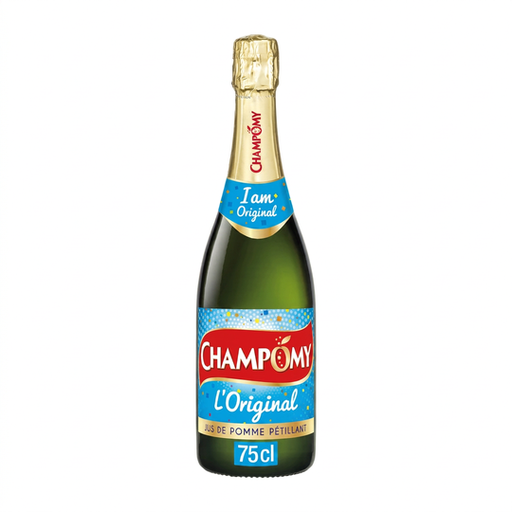
Why this product suits this profile : This alcohol-free drink is an easy addition to a family meal, birthday celebration or any occasion when you want to raise a glass with a festive bottle without the alcohol.
The stated recipe combines apple juice and carbon dioxide, with no alcohol or declared allergens.
An easy-to-serve 750 ml format, with a fruity recipe designed for the whole family.
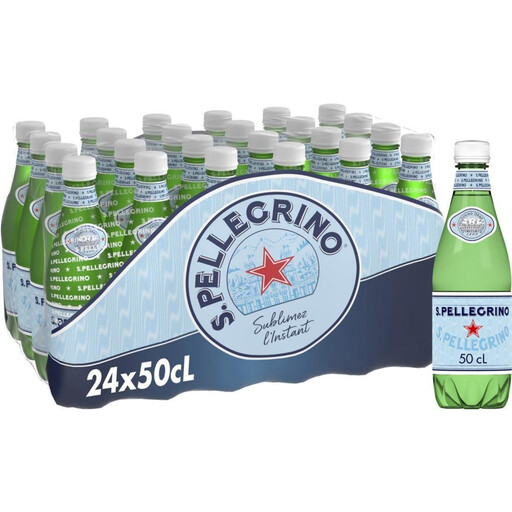
Why this product suits this profile : The pack of 24 500 ml bottles is ideal for offices, receptions, frequent meals and households that would rather not open a large bottle for every serving.
The individual format prevents an opened bottle from going flat over several days.
24 bottles of 500 ml, with 0 kcal and 0 g of sugar per 100 ml according to the product information provided.
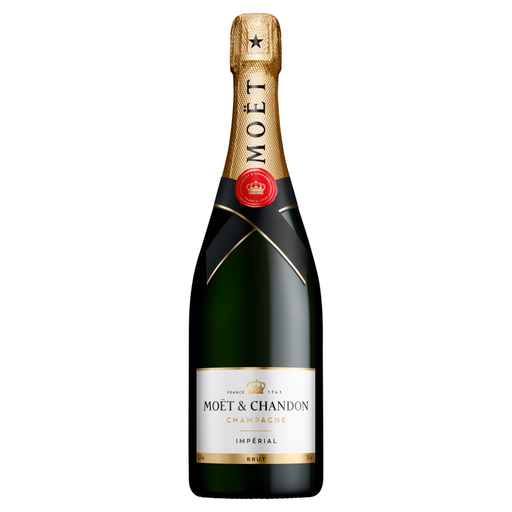
Why this product suits this profile : This bottle of brut champagne is intended for celebratory meals and gifts where the Champagne appellation really matters.
The product information details the blend of Pinot Noir, Meunier and Chardonnay, as well as the presence of sulphites and the brut dosage.
A 750 ml bottle, an alcohol content of 12% vol. and serving guidance between 10 and 12 °C.
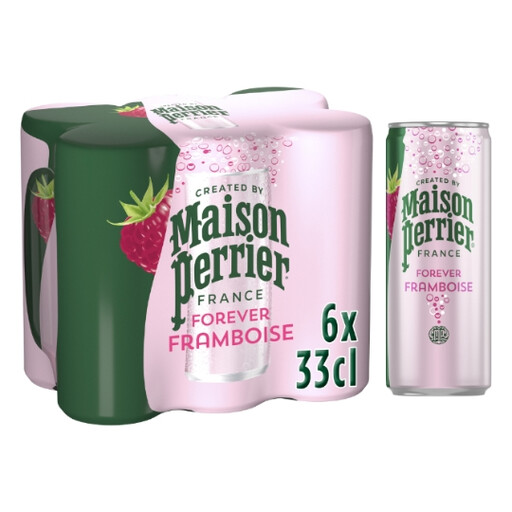
Why this product suits this profile : The individual cans are practical for the office, picnics or a lively alcohol-free aperitif with a raspberry note.
The product information states that it contains carbonated natural mineral water and natural raspberry flavouring, with no sugar or sweeteners.
A pack of 6 × 33 cl, with 0 kcal and 0 g of sugar per 100 ml according to the available data.
We have brought together a complete, real-time updated selection of products that meet these strict criteria and European safety requirements.
Store sparkling drinks away from heat and light. Alcoholic bottles should be kept in a suitable place. An opened can will generally keep in the fridge and should be consumed quickly to preserve its flavour and quality.
The term ‘sparkling water’ is widely used and can refer to different waters containing carbon dioxide. Sparkling mineral water is natural mineral water containing gas that occurs naturally or has been added, according to the information on the label. Its mineral composition, origin and permitted treatments should be checked on the packaging.
Once opened, the gas gradually escapes. Close the bottle securely and place it in the fridge. To preserve an acceptable taste and level of carbonation, you should generally drink sparkling water within 24 to 48 hours. For lemonade or a fruity drink, follow the manufacturer’s recommendations.
No. ‘Brut’ means that the champagne has a limited level of residual sugar, but it is not necessarily sugar-free. It also contains alcohol and often sulphites. The exact amount depends on the cuvée and the information shown on the label.