
Livraison le jour même ou le lendemain

Qualité garantie

Débloquez vos offres de bienvenue: Livraison GRATUITE | Jusqu'à -80 % | 30 jours d'essai gratuits à JoyPlus
Téléchargez l'application
Sparkling drinks have a firm place in French households: sparkling water for everyday use, fruity fizzy drinks for a refreshing break, bottles to share at the table or sparkling wine for special occasions. However, buying online is not without its risks. An attractive photo does not always reveal the size, ingredients or true value for money.
Claims such as “fruity”, “natural” or “less sugar” should be checked against the nutrition table and ingredients list. A drink may contain fruit juice while still providing a significant amount of sugar. Conversely, a recipe made with sweeteners may contain few calories without necessarily being suitable for every consumer.
A 200 to 250 ml can is convenient for individual consumption, but its price per litre may be significantly higher than that of a larger multipack. For a party, office or family, always compare the total volume, number of units and price per litre.
Unopened fizzy drinks should generally be stored away from heat and light, in accordance with the instructions on the packaging. Once opened, some should be refrigerated and consumed quickly. For sparkling wine, the presence of sulphites must be clearly stated, as required by consumer information regulations.
The European nutrition table shows values per 100 ml. This makes it possible to compare sparkling lemonade, fruit drinks and sparkling mineral water, even when pack sizes differ.
For guidance:
For individual consumption, 200 to 330 ml cans help to minimise leftovers after opening. 750 ml bottles are better suited to a meal or drinks reception. Packs of 12 or 24 cans are ideal for storage, parties and events, provided you have a dry, moderate-temperature space.
Sparkling mineral water sold in a multipack, such as SAN PELLEGRINO 24 x 500 ml, provides 12 litres in total. This format is suitable for regular meals and makes it easy to serve individual bottles. For sugary drinks, also check the total amount of sugar per can, rather than looking only at the value per 100 ml.
The right choice mainly depends on when you plan to serve it:
The sparkling wines featured contain alcohol and sulphites. Their sale and consumption are restricted to adults. Alcohol is not recommended during pregnancy and must never be combined with driving.
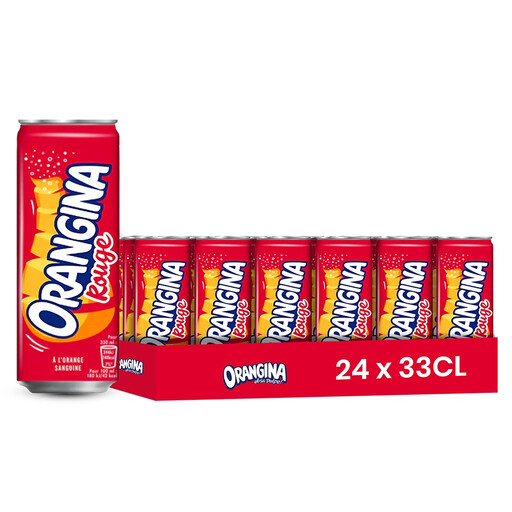
Why this choice suits this profile : With 24 x 330 ml cans, this multipack makes it easy to build up a supply for your home. The product page states approximately 17 kcal per can.
Buying a multipack avoids having to purchase cans individually, while the nutritional information lets you check the stated content.
24 x 330 ml cans, a blend of orange and red berries, and approximately 1.3 g of sugars per 100 ml according to the product page.
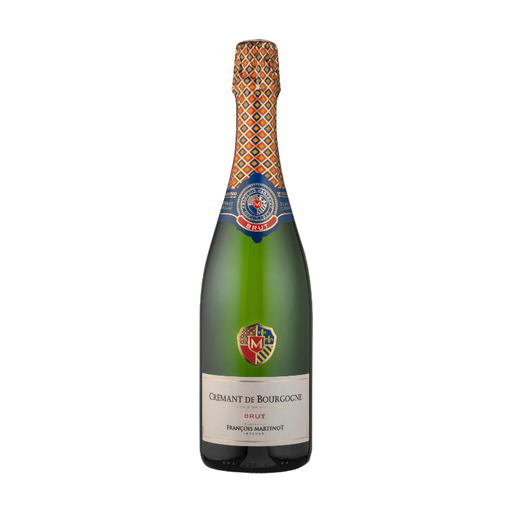
Why this choice suits this profile : This 75 cl bottle is equally suitable for an aperitif or a meal. It carries the AOP Crémant de Bourgogne designation and is described as fresh and floral.
The designation, the absence of a stated vintage and the composition details should be checked directly on the label before opening.
75 cl bottle, 70 kcal per 100 ml according to the product page, with sulphites declared.
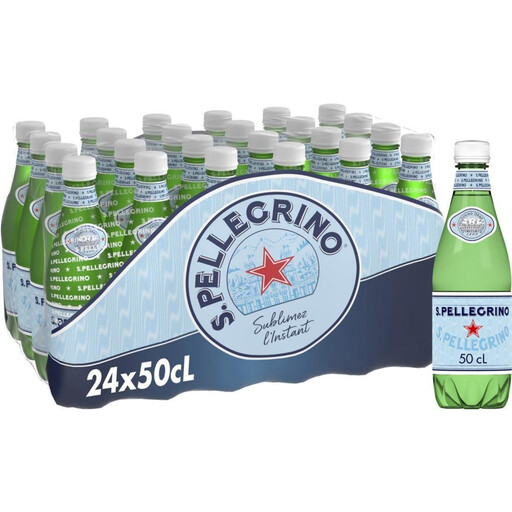
Why this choice suits this profile : The 24 x 500 ml bottles are convenient for meals, welcoming visitors or stocking a professional space.
The total volume of 12 litres is clearly stated, making it easier to compare with other multipacks of drinks.
Natural mineral water, 0 kcal and 0 g of sugars per 100 ml, in a pack of 24 bottles.
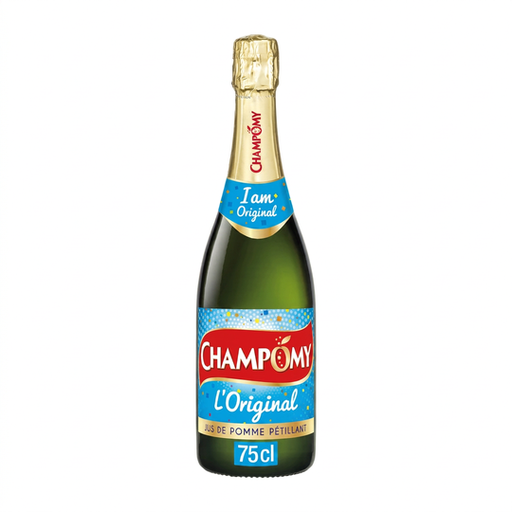
Why this choice suits this profile : The 750 ml bottle is ideal for birthdays, meals and celebrations where an alcohol-free option should be served at the table.
The reference to a recipe made with apple juice and carbon dioxide helps distinguish this drink from sparkling wine.
750 ml format, an alcohol-free sparkling drink presented as being made with 99% apple juice.
We have put together a comprehensive, real-time updated selection of products that meet these selection criteria and European safety requirements.
Start by comparing the amount of sugar per 100 ml, then per serving. Sparkling mineral water contains none. Some reduced-sugar fruit drinks, such as the Orangina Orange & Red Berries mentioned above, contain less than classic fruity soft drinks. Prebiotic drinks may contain fibre as well as sugar, so reading the label is essential.
An opened can quickly loses some of its fizz. It is therefore best to drink it straight away. For NOW COCO in a 250 ml can, the product page recommends refrigerating it and consuming it within two days of opening. Always check the label on the product you receive.
For a group, packs of 12 or 24 cans make serving easier and avoid passing around the same bottle. For a more formal meal, 750 ml bottles are suitable for both the aperitif and dessert. Also provide sparkling mineral water and an alcohol-free drink to accommodate everyone’s preferences.