People who eat lunch without access to a fridge
A single-serve format can save you from carrying an opened bottle around. Do check the storage instructions for the product you choose, though: some canned drinks need to be kept chilled.


For lunch on the go, first choose a size you can carry and store in line with the instructions on the packaging. A single can means you won’t have to take the rest of a 75 cl bottle with you, while a bottle may work well for a meal shared with others. The word ‘sparkling’ alone tells you nothing about the juice content or sugars, so check the product description, ingredients and nutritional information for each product. Manger Bouger recommends choosing water for everyday hydration and limiting fruit juice and sugary drinks as much as possible.
A single-serve format can save you from carrying an opened bottle around. Do check the storage instructions for the product you choose, though: some canned drinks need to be kept chilled.
If what’s inside matters more to you than the format, compare the product description, ingredients, juice content and sugars per 100 ml. A sparkling fruit drink isn’t necessarily fruit juice.
For an occasional lunchtime treat, choose the type of drink you enjoy, but check its juice content, ingredients and format too, rather than relying on the word ‘sparkling’ alone.
For a packed lunch, start by checking the size and storage instructions. Then compare the type of drink and its ingredients: two sparkling fruit drinks in cans may contain different proportions of juice and different ingredients.
| Criterion | What to check | Who is it for? |
|---|---|---|
| Size and storage | Can or bottle size; storage requirements before lunchtime. | When I eat lunch away from home on my own, I want to take a drink with me without having to carry an opened bottle afterwards. Around 42% of consumers prioritise this convenience. |
| Sugars and ingredients | Ingredients and sugars per 100 ml; information on added sugars for the exact product. | If I’m trying to limit added sugars, I need to tell the difference between a recipe that contains sugar and one with no added sugar, without assuming that the latter contains no sugars at all. Around 33% of consumers put this consideration ahead of others. |
| Taste and type of drink | Product description and percentage of juice stated on the packaging. | For an occasional treat, I might prioritise fizz and fruity flavour, while still wanting to know whether I’m buying sparkling juice or a drink containing fruit juice. Nearly 25% of consumers prioritise this flavour profile. |
Ingredients vary from one product to another. Auchan’s product listing for SANPELLEGRINO Limonata states that it contains 16% lemon juice from concentrate and sugar; the listing for Cœur de Pom' sparkling apple juice states that it contains 99.6% apples and 0.4% CO₂.
Check the product description, then the ingredients and juice content, rather than judging by the fruit imagery alone.
A bottle intended for sharing will leave you with more to store and carry after a short break than a single-serve can.
Choose a size that suits your meal. If you take a bottle, check how to store the drink once opened.
The format doesn’t determine how a drink should be stored: Carrefour’s listing for Innocent Juicy Water Fruits Rouges in a can says it must be kept chilled.
Read the storage instructions for the product you choose before taking it with you. If it needs to stay chilled, make sure you can keep it that way until lunchtime.
A recipe with no added sugar may still contain sugars that occur naturally in fruit, so the claim alone won’t tell you how much sugar it contains.
Check the ‘of which sugars’ line in the nutritional information per 100 ml. For everyday drinks, Manger Bouger recommends choosing water.
A sparkling apple juice to consider if you’re planning to share a bottle at lunchtime.
A sparkling apple drink to compare if you have a particular size in mind.
Limonata lets you compare the convenience of a can with the ingredients in a sparkling drink containing fruit juice.
A useful brand to compare with sparkling options when looking at fruit juices and still fruit drinks.
These are sparkling drinks in cans, suitable for taking a single serving with you. Their recipes and pack sizes vary, so first choose a can that suits your break, then check the ingredients and pack quantity.
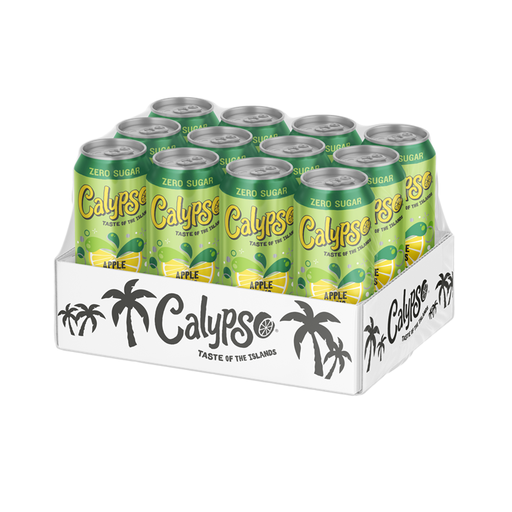 Image unavailable
This multipack of cans is a good option if you’d like to take one serving with you for lunch and save the rest for another occasion.
If you’re comparing sugars and sweeteners, check the ingredients and nutritional information for this product. The ‘Zero Sugar’ wording alone doesn’t tell you everything about the recipe.
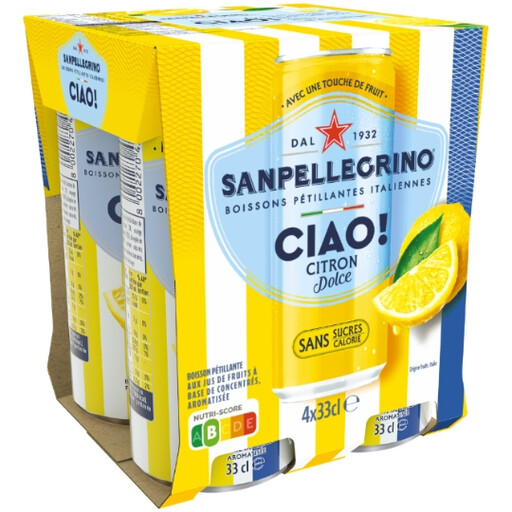 Image unavailable
A single can could go well with lunch away from home if you’re looking for a sparkling drink flavoured with lemon.
Check how many cans are included before ordering, as the pack-size information doesn’t match. Also check the label to compare its ingredients with other lemon drinks.
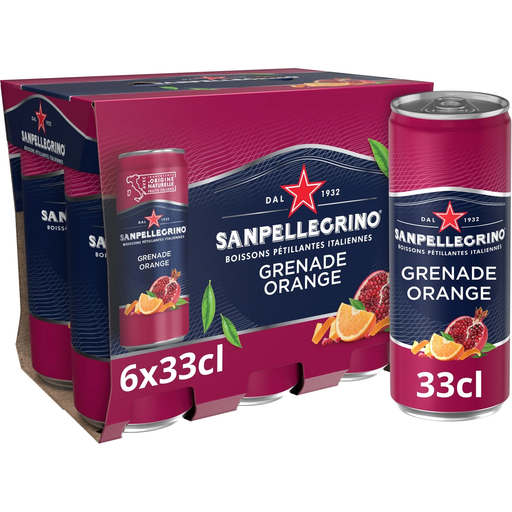 Image unavailable
This pack of single-serve cans could suit you if you’d like a sparkling drink with pomegranate and orange flavours for several lunches.
If sugar content is important to you, compare the ingredients and the ‘of which sugars’ line per 100 ml before choosing this recipe.
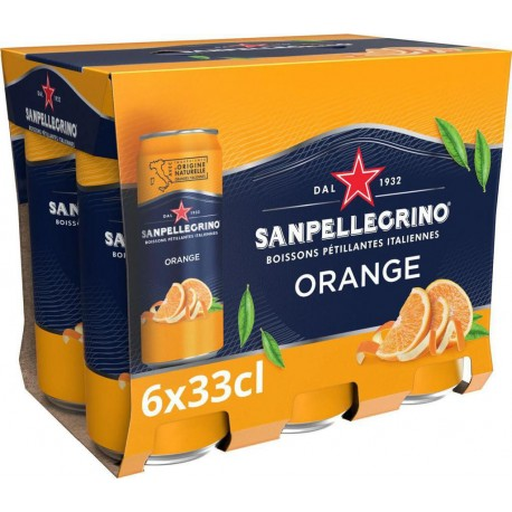 Image unavailable
These single-serve cans are handy for a lunch break if you’re looking for a sparkling orange drink and want to buy several servings.
To tell it apart from fruit juice or a recipe with no added sugars, read the product description and ingredients.
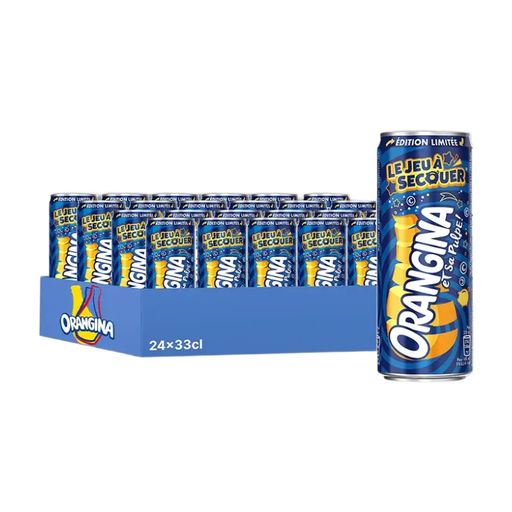 Image unavailable
Each can is a single serving for lunch, but this pack of 24 is best suited to anyone looking to buy several servings at once.
Orangina is described here as a soda. If you’re specifically looking for sparkling juice, check the product description and ingredients rather than relying on the citrus flavours alone.
No. ‘Sparkling’ describes the bubbles, not the product category. Check the product description and ingredients to tell sparkling juice apart from a drink containing fruit juice or a soft drink. The DGCCRF notes that fruit juice and nectar labelling is subject to specific rules for these categories.
Water remains the best choice for everyday hydration. Manger Bouger advises limiting fruit juices, sugary drinks and fizzy drinks as much as possible. For an occasional lunch, compare the ingredients of the drink you’re considering.
Read the storage instructions, as a can may not be suitable to keep out of the fridge all morning. Carrefour, for example, says that Innocent Juicy Water Fruits Rouges must be kept chilled. Choose another product if you can’t meet this requirement.
Follow the sorting instructions shown on the product or its packaging. According to the French ministries responsible for the ecological transition, this label tells you how to sort the packaging in question.