
Livraison le jour même ou le lendemain

Qualité garantie

Débloquez vos offres de bienvenue: Livraison GRATUITE | Jusqu'à -80 % | 30 jours d'essai gratuits à JoyPlus
Téléchargez l'application
The world of sparkling beverages is a jungle: from the simplest sparkling water to ultra-indulgent sodas, the shelves are overflowing. Faced with this abundance, it's easy to feel lost or make a purchase you immediately regret. The gap between a label's promises and the product's reality can be immense. This guide is here to arm you with clear benchmarks to select the bubbly drink that truly meets your needs—whether for daily hydration, a special occasion, or a simple refreshing break.
Before you fill your cart, watch out for these common mistakes that can be heavy on your wallet or disappoint your taste buds.
To see more clearly, focus on these three essential points.
It's the foundation of everything: the water. Its nature directly impacts the final taste and quality.
The nutrition facts panel is your best friend. Take a look at the "Carbohydrates, of which sugars" line to find out the actual amount of sugar per 100?ml. If this number is zero but the taste is sweet, the ingredients list will reveal the presence of sweeteners. The most common are aspartame, acesulfame K, and sucralose. We are also seeing the emergence of alternatives like steviol glycosides (from stevia) or erythritol, often highlighted in beverages with a more "natural" positioning.
The mouthfeel, or perlage, is paramount. We generally distinguish between:
To help you visualize these criteria, here are a few options suited to different profiles.
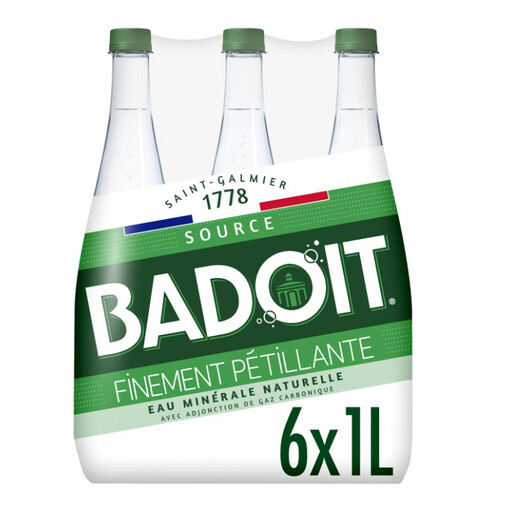
Why it's a perfect match: Ideal for those who want a reliable choice to accompany their meals. A French dining classic, recognised for its consistent quality and subtle taste.
This is a natural mineral water, not just a carbonated spring water. Its mineral composition is stable and its origin is guaranteed, which avoids the pitfall of waters with variable quality.
Fine, delicate bubbles that enhance the flavours of dishes without masking them. Naturally rich in minerals. The beverage value pack format is economical.
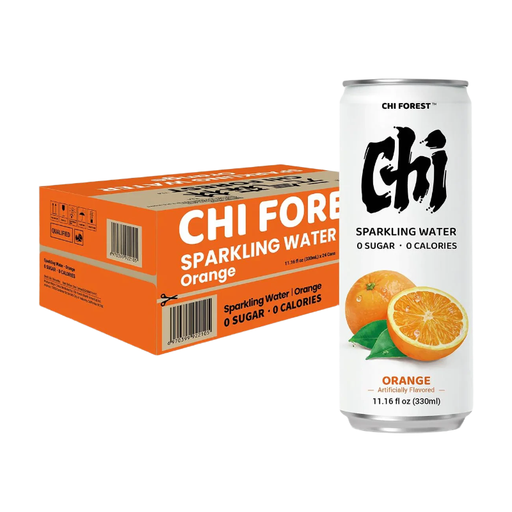
Why it's a perfect match: For health-conscious consumers who want a sugar-free, zero-calorie drink but refuse to sacrifice taste. Perfect for a guilt-free refreshing break.
This drink is transparent about its positioning: zero sugar, zero calories. It uses erythritol and stevia, clearly listed sweeteners, thus avoiding the trap of misleading health claims.
Bright and refreshing citrus taste with no caloric intake. The can format is convenient for on-the-go consumption.
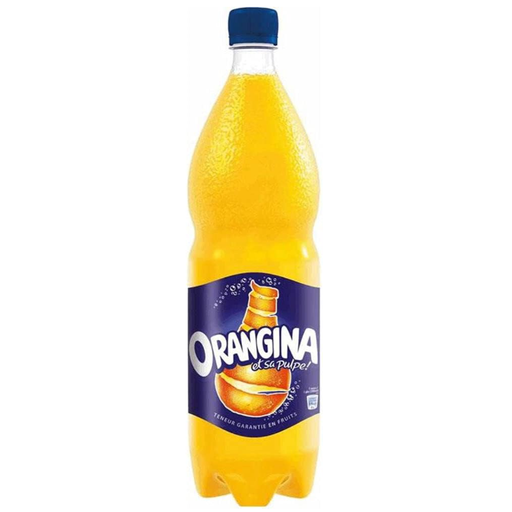
Why it's a perfect match: The go-to choice for social gatherings and afternoon treats. Its unique taste and famous pulp make it a timeless soda.
Unlike sodas that just use flavourings, Orangina includes 10% citrus juice and real orange pulp. This ensures an authentic fruity taste and avoids the trap of meaningless "flavour" claims.
Iconic recipe that needs to be shaken to mix the pulp. The 1.5L family size is practical and economical for sharing.
Explore our full selection of products that meet our strict criteria and comply with current regulations.
1. What is the difference between a naturally sparkling mineral water and a carbonated water? A naturally sparkling mineral water, like Salvetat, emerges from its source with its own bubbles. In contrast, a carbonated water is a water (mineral or spring) into which carbon dioxide has been injected to make it fizzy.
2. Is a "sugar-free" drink always calorie-free? Almost always, yes. The sweeteners used to replace sugar (like sucralose or stevia) provide very few or no calories. The energy value displayed on the nutrition label is therefore usually close to zero. A quick look at the label is the best way to be sure.
3. What's the best way to store an open bottle of soda or sparkling water? To keep the maximum amount of fizz, the secret is simple: reseal the bottle as quickly and tightly as possible, then put it in the fridge. The cold slows down the loss of gas. Consume within 24 to 48 hours to enjoy optimal fizziness.