If you want one bottle for cooking and seasoning, start with a salty soy sauce and choose a size that suits how often you use it. Then check the ingredients, allergens, salt content and storage instructions after opening. A sweet soy sauce is better suited to glazing or caramelising; reduced-salt versions still contain salt.
Who are these options for?
Regular cooks
You use salty soy sauce in several dishes and want a quantity that suits how often you cook. Carrefour Sensation and Tables du Monde product listings both feature 125 ml bottles. Other sizes may also work if you can use them within the recommended time after opening.
Those keeping an eye on salt and allergens
You check the ingredients and nutritional information for the exact product before choosing. Several recipes featured by Auchan and Kikkoman contain soya and wheat; reduced-salt soy sauce is not salt-free.
Fans of sweet sauces
You’re mainly looking for a sauce to use as a glaze or for caramelising. Auchan’s sweet soy sauce is suited to this, but it won’t automatically replace salty soy sauce in recipes.
What should you look for?
First, decide whether you’ll mainly use the bottle for savoury cooking or sweet dishes. Then choose the right size and read the label for the specific recipe you’re interested in.
| What to consider |
What to check |
Who it matters to |
| Size and frequency of use |
Bottle size and storage instructions after opening. |
If I often cook with soy sauce, I want a quantity I’ll have time to use; around 36% of consumers prioritise this. |
| Savoury uses |
Instructions for cooking, marinades and seasoning on the product listing. |
If I want one sauce for several savoury recipes, I look for uses that suit the way I cook; this versatility comes first for around 29% of consumers. |
| Ingredients |
Ingredient list, highlighted allergens and salt per 100 ml. |
If I need to avoid an ingredient or check what’s in a product, the label on each bottle matters more than its category; around 21% of consumers prioritise this check. |
| Sweet uses |
The sauce’s description and sugars per 100 ml. |
If I mainly make glazes or dishes to caramelise, I look for a sweet sauce for that specific use; this is the main priority for around 14% of consumers. |
Mistakes to avoid
-
Choosing a large bottle without thinking about how you’ll store it after opening
A larger bottle is only practical if you’ll use it at a pace that fits the label’s instructions. The product listings for Auchan salty and sweet soy sauces advise keeping them in the fridge and using them within a month of opening.
Before choosing a size, check the instructions for the specific product and consider how much fridge space you have.
-
Using sweet and salty soy sauce interchangeably
Auchan’s product listing describes its sweet sauce as suitable for glazing and caramelising, and states that it contains 66 g of sugars per 100 ml. It doesn’t have the same role as a salty sauce intended for cooking or seasoning.
Choose according to the recipe you’re making rather than relying on the words ‘soy sauce’ alone.
-
Overlooking salt and allergens in a small bottle
Bottle size tells you nothing about what’s inside. The product listing for Auchan salty soy sauce states that it contains 17 g of salt per 100 ml; several of the recipes mentioned here also contain soya and wheat.
Check the ingredients, highlighted allergens and ‘salt’ value on the label of the bottle you choose. ‘Reduced salt’ doesn’t mean ‘salt-free’.
Soy sauce brands to know
Kikkoman
The brand offers a traditionally fermented classic soy sauce and a reduced-salt version, in several sizes.
- According to Kikkoman France, the classic recipe featured contains four ingredients: water, soya beans, wheat and salt. The brand recommends it for both cooking and seasoning at the table.
- The French listing for its reduced-salt version states that it contains 43% less salt than the original, while also listing 9.2 g of salt per 100 ml. Check the exact product and size before comparing labels.
Carrefour Sensation
Carrefour France lists a 125 ml bottle of salty soy sauce.
- The ingredients include 9.7% soya.
- The recipe also contains wheat flour, so check the label if this allergen is relevant to you.
Tables du Monde / Marque Repère
E.Leclerc lists a 125 ml bottle of soy-based condiment under this brand.
- The listed ingredients include 13% soya.
- It also contains wheat. If you’re interested in this product, check availability with the relevant store or online grocery service.
Auchan
Auchan France lists salty, sweet and organic soy sauces in 150 ml bottles.
- These descriptions make it easier to choose according to how you plan to use the sauce; the listing for the sweet version recommends it for glazing and caramelising in particular.
- Nutritional values vary by recipe: the listings featured state 17 g of salt per 100 ml for the salty sauce and 66 g of sugars per 100 ml for the sweet sauce.
Asia Green Garden
ALDI France lists a 150 ml bottle of sweet soy sauce under this brand; another product listing describes a salty version.
- The description ‘sweet’ helps distinguish this product from a salty sauce when recipes call for different uses.
- Check whether the salty version is available before visiting the store.
Suzi Wan
Carrefour France lists a 250 ml bottle of Suzi Wan salty soy sauce.
- The product listing suggests using it with sushi, in marinades and stir-fried noodles, and for seasoning.
- The stated recipe includes soya and wheat, among other ingredients; check the ingredients on the bottle you choose.
Soy sauces available on Joybuy
These products are mainly suited to cooking and savoury seasoning, including a reduced-salt sauce. When choosing a bottle for your cupboard, match its size to how often you use it, and check its ingredients and storage instructions.
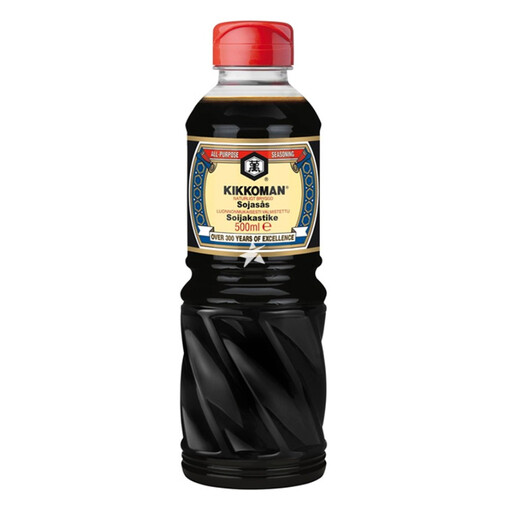 Image unavailable
Kikkoman Traditional Soy Sauce, 500 ml
Worth considering if you want a traditional soy sauce for cooking and seasoning. Match the 500 ml size to how often you use it, and check the packaging for allergens and storage instructions after opening.
View on Joybuy
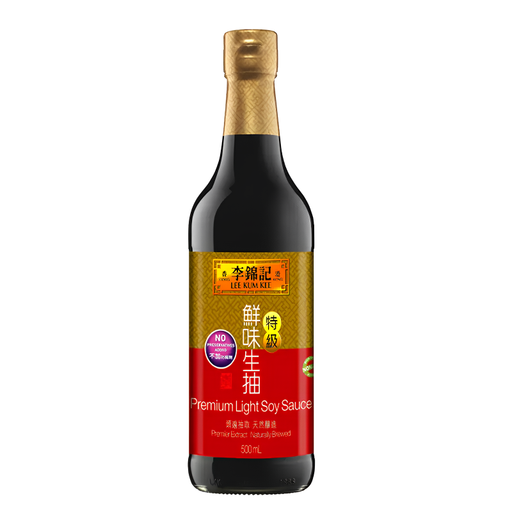 Image unavailable
Lee Kum Kee Premium Light Soy Sauce
One to consider for cooking, marinades or dipping. ‘Light’ is part of the product name, so check the nutritional information if salt content is an important factor in your choice. Don’t assume it means reduced salt.
View on Joybuy
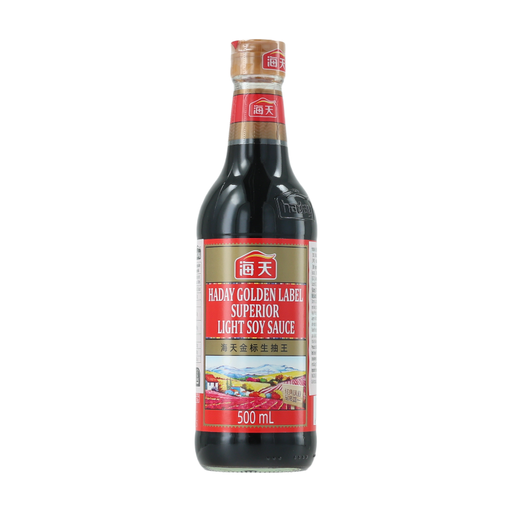 Image unavailable
Haday Golden Label Superior Light Soy Sauce
Worth considering for seasoning, stir-fries or dipping. The name ‘Light Soy Sauce’ doesn’t mean it contains less salt: check the value on the label and the storage instructions after opening.
View on Joybuy
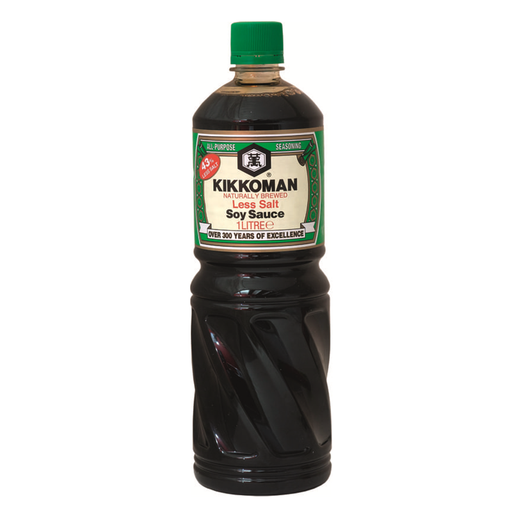 Image unavailable
Kikkoman Less Salt Soy Sauce, 1 L
Consider this if you’re looking for reduced-salt soy sauce and use enough to make a 1 L bottle a practical choice. Reduced salt doesn’t mean salt-free; check the nutritional values for this product and follow its storage instructions after opening.
View on Joybuy
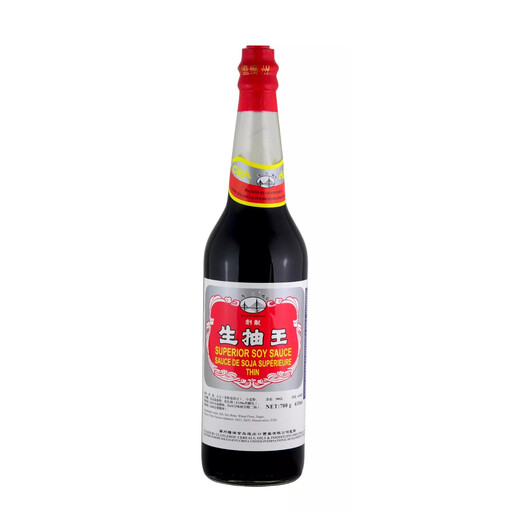 Image unavailable
Haiyin Bridge Premium Light Soy Sauce, 610 ml
Worth considering for marinades, stir-fries or dipping if the 610 ml size suits the way you use soy sauce. Check the allergens, salt content and storage instructions for this bottle before choosing.
View on Joybuy
Frequently asked questions
Can sweet soy sauce replace salty soy sauce?
Not automatically. Choose it when a recipe calls for a sweet sauce, particularly for glazing or caramelising. Auchan’s product listing for its sweet soy sauce states that it contains 66 g of sugars per 100 ml, so it has a different profile from its salty versions.
How should you store soy sauce after opening?
Follow the instructions on the bottle you have. Auchan’s listings for its salty, sweet and organic soy sauces recommend refrigerating them after opening; the listings for the salty and sweet versions say to use them within a month.
Where can you check the allergens in soy sauce?
Read the ingredients list for the exact product and check which allergens are highlighted. The French Ministry of the Economy reiterates this labelling requirement for prepacked food; several of the sauces mentioned here list soya and wheat.
Does ‘reduced salt’ mean salt-free?
No. A reduction is measured against another product and doesn’t necessarily remove all the salt. Kikkoman France states that its reduced-salt sauce contains 43% less salt than its original version, and lists 9.2 g of salt per 100 ml for the product in question. Check the values on the bottle you’re buying.


