People keeping an eye on sugar
If you’re looking for a sauce to season several meals without choosing one intended for a sweet glaze, compare the sugars per 100 ml. Kikkoman and Auchan product listings show that this figure varies between products.


To keep sugar levels down in a soy sauce for meals throughout the week, compare the ‘of which sugars’ figure per 100 ml rather than relying on claims such as ‘salty’ or ‘reduced salt’. Check the salt content and allergens too: a sauce that suits your sugar goals may contain wheat, or have a salt content that affects your choice.
If you’re looking for a sauce to season several meals without choosing one intended for a sweet glaze, compare the sugars per 100 ml. Kikkoman and Auchan product listings show that this figure varies between products.
If soy sauce often features in your cooking, check the ‘salt’ line as well as the sugars. The figures published for the Kikkoman and Suzi Wan products mentioned here differ; a ‘reduced salt’ claim tells you nothing about the sugar content on its own.
If you need to choose a gluten-free sauce, check the claim and ingredients on the exact bottle. Kikkoman Tamari is described as gluten-free, while the Kikkoman reduced-salt and Suzi Wan salty varieties mentioned here contain wheat. Tamari does, however, contain soy.
For your weekly shop, start with your main priority, then check the other details that could influence your choice. Compare the nutritional values per 100 ml and the information on the bottle you’re planning to buy.
| Criteria | What to check | Who is it for? |
|---|---|---|
| Sugars | The ‘of which sugars’ figure per 100 ml and the ingredients list, especially if the sauce is described as sweet. | I want to season my meals without accidentally choosing a sweet glazing sauce; around 36% of consumers would put sugars at the top of their list of criteria. |
| Salt | The salt content per 100 ml, then the sugar content separately if you’re keeping an eye on that too. | I use soy sauce often and want to compare its salt content first; around 29% of consumers would share this priority. |
| Gluten and allergens | The gluten-free claim and the ingredients in the exact product; a gluten-free tamari may still contain soy. | For my cooking, avoiding gluten is essential, but I also need to consider soy; around 14% of consumers would make this their priority. |
| Size and storage | The bottle size and storage instructions after opening. | I want a sauce I can use for several meals without keeping an opened bottle for longer than its label advises; around 21% of consumers would prioritise this practical consideration. |
The reduction claim applies to salt, not necessarily to sugars. Kikkoman lists 3.8 g of sugars and 9.2 g of salt per 100 ml for its reduced-salt sauce.
Read both nutrition figures and decide which one matters most to you.
Auchan’s listing for its 150 ml sweet soy sauce gives 66 g of sugars per 100 ml. A sweet sauce is therefore intended for a different use from one chosen mainly to limit sugars.
If you’re mainly looking for a seasoning sauce, compare the ‘of which sugars’ figures for salty sauces and tamaris before choosing.
Kikkoman Tamari, described as gluten-free, contains soybeans. The Kikkoman and Suzi Wan salty soy sauces mentioned here both contain soy and wheat.
Check the ingredients and allergens on each bottle; gluten-free does not mean soy-free.
The size should suit how often you use the sauce. Auchan’s listing for the 715 ml Suzi Wan bottle advises keeping it in the fridge for six months after opening; this guidance applies to that product only.
Check the instructions on your chosen bottle before deciding on its size.
The range includes a reduced-salt soy sauce and a tamari described as gluten-free. They cater to two different needs.
Its salty soy sauce is one option to compare for seasoning and marinades.
The brand’s salty and sweet varieties let you compare two recipes intended for different uses.
These bottles offer three options for meals throughout the week: a tamari described as gluten-free, a reduced-salt soy sauce and a light soy sauce for seasoning. Compare their nutritional information and ingredients according to your priorities; their names alone don’t tell you how much sugar they contain.
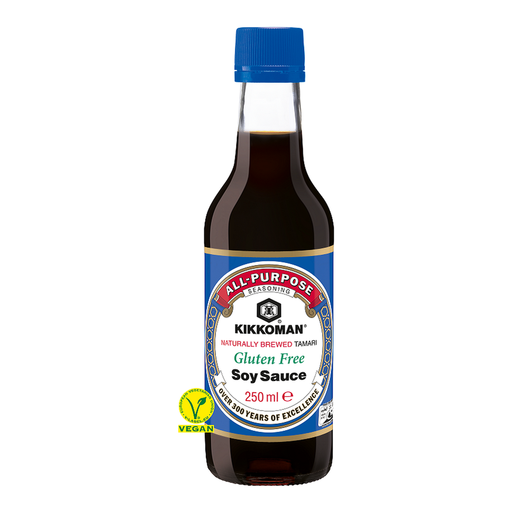 Image unavailable
Worth considering if a gluten-free claim is your top priority for meals throughout the week. This bottle contains 250 ml; check the ingredients if you also need to avoid soy, and check the salt and sugar figures on the bottle you choose.
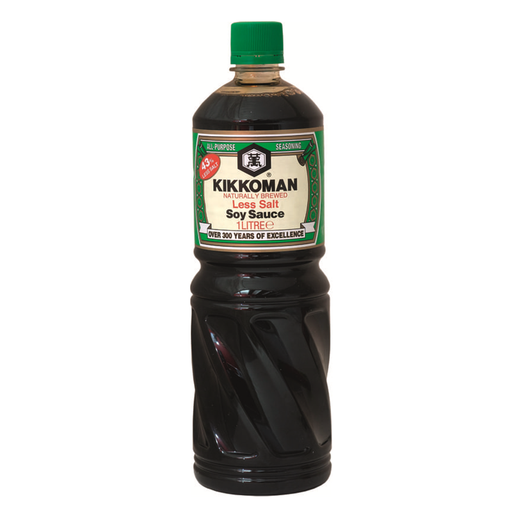 Image unavailable
Worth considering if salt content is your main priority. The bottle contains 1 L; ‘less salty’ doesn’t mean ‘less sugary’, and storage instructions after opening matter when you’re using a bottle over several meals.
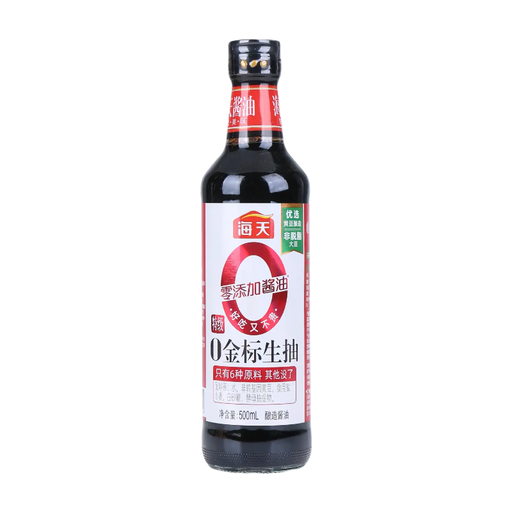 Image unavailable
Worth considering if you’re looking for a soy sauce to season several dishes throughout the week. The bottle contains 500 ml; don’t assume the product is sugar-free based on its name, and compare its nutritional information with that of other bottles.
No: the claim refers to salt, not sugars. Kikkoman lists 3.8 g of sugars per 100 ml for its reduced-salt sauce; compare both figures separately on the product you’re buying.
Read the ‘of which sugars’ figure per 100 ml on each bottle, then check the ingredients and think about how you plan to use the sauce. Auchan’s listing for its 150 ml sweet soy sauce gives 66 g of sugars per 100 ml, while the listing for the 250 ml Suzi Wan salty sauce gives less than 0.5 g. These recipes are intended for different culinary uses.
No. The Kikkoman reduced-salt and Suzi Wan salty varieties mentioned here contain wheat. If you need to avoid gluten, look for a product explicitly described as gluten-free and check its ingredients again; the Kikkoman Tamari mentioned here still contains soy.
Choose a size that suits how often you use the sauce and the storage instructions for that exact product. Auchan’s listing for the 715 ml Suzi Wan says to keep it in the fridge for six months after opening; don’t automatically apply this guidance to another bottle.