Consumers keeping an eye on fat
You compare the amount listed for the same unit before choosing between drinks based on their ingredients and how you plan to use them.


When choosing a soy drink to reduce your fat intake, first compare the nutritional values on a like-for-like basis, then look separately at sugars, protein and how you plan to use it. A ‘no added sugars’ or ‘sugar-free’ claim tells you nothing about fat content, so check the unit shown too: a value per 100 g cannot be compared directly with one per 100 ml.
You compare the amount listed for the same unit before choosing between drinks based on their ingredients and how you plan to use them.
You check the ingredients and sugar content for drinks, cereal or recipes, without assuming that ‘sugar-free’ means lower in fat.
For pancakes, cakes or sauces, you consider the ingredients and protein content, while keeping fat among your selection criteria.
When choosing a soy drink for a low-fat diet, start with the ‘fat’ line, then check the other nutritional information that matters for how you plan to use it. Make sure you compare like with like: product listings may give values per 100 g or per 100 ml.
| Criteria | What to check | Consumers concerned |
|---|---|---|
| Fat | The amount per 100 g or per 100 ml, and the unit used for each product. | If my main aim is to reduce fat, I want to compare values given on the same basis. Around 42% of consumers would put this criterion first. |
| Ingredients and sugars | The ingredients list, the ‘of which sugars’ line and the allergens shown on the label. | For my cereal or drinks, I prefer a plain recipe with ingredients that are easy to check. Around 33% of consumers would share this priority. |
| Cooking and protein | Protein and sugars for the same quantity, as well as ingredients suited to the intended use. | When I use soy drink in pancakes or sauces, its ingredients matter just as much as its fat content. Around 25% of consumers would put this use first. |
These two claims refer to different things. Carrefour and Bjorg product listings give fat values of 1.8 g per 100 g for Alpro Unsweetened and 2.6 g per 100 g for Bjorg Unsweetened Soy.
Check the ‘fat’ and ‘of which sugars’ lines separately in the nutritional information for the product you choose.
A product listing does not guarantee that the drink you want is available in your store or for your chosen delivery method.
Check the exact name, size and availability before planning to use it in a recipe.
Anses warns that using a plant-based drink instead of breast milk or a suitable infant formula may pose risks to a baby.
For feeding an infant, ask a healthcare professional for advice and use a formula designed for their age when appropriate.
Choosing a drink based on its fat content is not enough to determine whether regularly consuming soy is suitable for a particular medical condition. Anses has specifically highlighted exposure to isoflavones from soy-based foods.
If you are following a diet for medical reasons, seek advice tailored to your circumstances rather than drawing conclusions from the label alone.
The classic soy and Unsweetened options let you compare two different recipes from the same brand.
Bjorg Organic Unsweetened Plain Soy Drink is worth considering if you prefer a short ingredients list.
Sojasun presents its plain soy drink as an option for cereal and recipes such as pancakes or sauces.
These soy drinks suit a range of uses, from recipes and cereal to individual servings or enjoying chilled. If you’re choosing one as part of a low-fat diet, check the nutritional information for each product rather than assuming what it contains from its size or name.
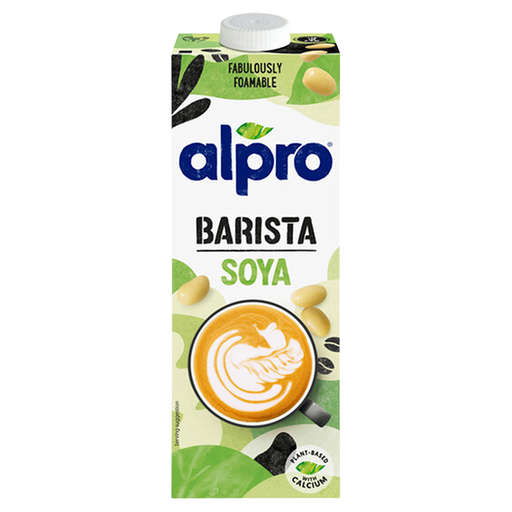 Image unavailable
A soy drink worth considering if you’re looking for a one-litre carton for drinks or recipes. Check its nutritional information on the label before adding it to your shortlist.
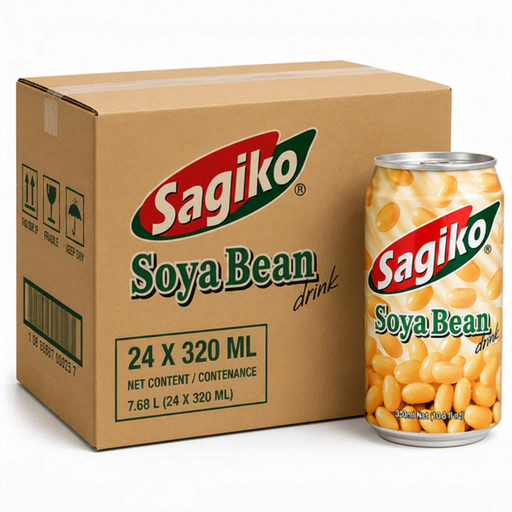 Image unavailable
This pack of individual cartons may suit you if portion size is a factor in your choice. For a low-fat diet, check the fat and sugar content of this drink separately too.
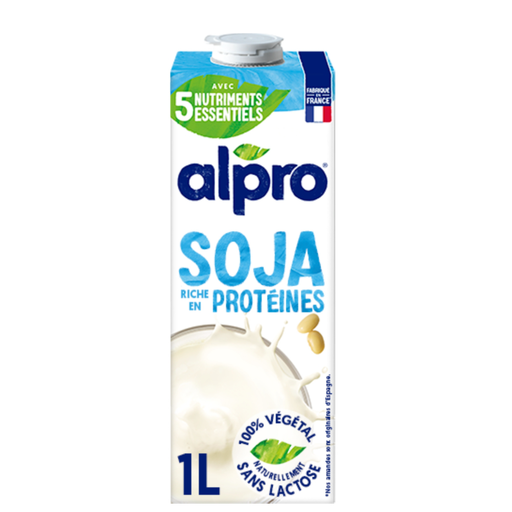 Image unavailable
This classic version is worth considering for drinks or cooking. The Joybuy listing gives values of 2.8 g of fat and 5 g of protein per 100 g, so take both into account depending on your priorities.
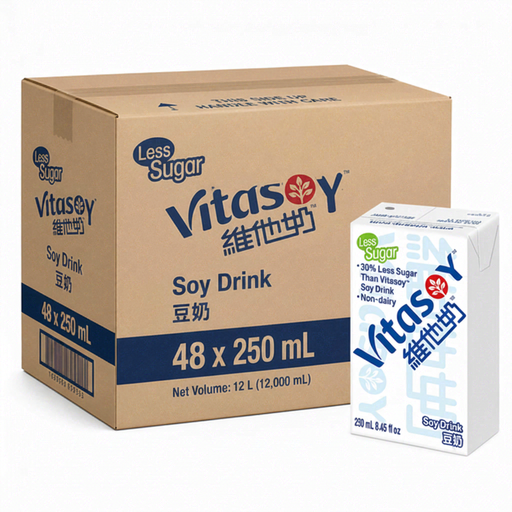 Image unavailable
The small cartons may suit you if you want individual portions. The Less Sugar claim does not tell you about fat content, so check the label and compare drinks on the same basis.
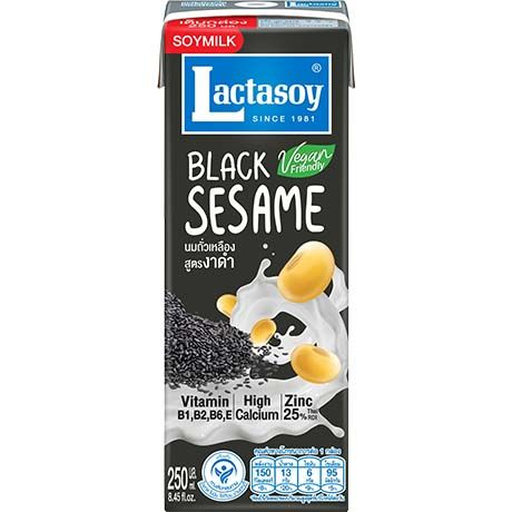 Image unavailable
This soy drink with black sesame comes in a 250 ml carton. If you want to reduce your fat intake, compare its nutritional information with other drinks and check the ingredients and allergen list.
Don’t compare the figures directly as though they use the same basis. To choose based on fat content, look for values given in the same unit on the packaging, then check sugars and protein separately.
No: ‘sugar-free’ and fat content are two separate pieces of information. Carrefour and Bjorg product listings give fat values of 1.8 g per 100 g for Alpro Unsweetened and 2.6 g per 100 g for Bjorg Unsweetened Soy.
Anyone with a known soy allergy should not choose a soy drink. Read the ingredients list and allergen information on the packaging. The DGCCRF states that allergens must be highlighted on the labels of prepacked foods in France.
No. Ordinary soy drink should not replace breast milk or formula suitable for an infant. Anses warns that doing so may pose risks. Ask a healthcare professional for advice about feeding an infant.
Follow the storage instructions on the packaging you buy, as they apply to that specific product. For example, the Joybuy listing for Alpro Soya plant-based drink 1 L says to consume it within five days of opening.