When shopping for a child with diabetes, a plain soy drink labelled ‘no added sugars’ is easier to compare as a starting point than a ‘smooth’ recipe, but that label alone isn’t enough to make a decision. Check the carbohydrate and sugar values per 100 ml, relate them to the portion served and ask the child’s healthcare team how to include the drink in their diet. If soy is often on the menu, also bear in mind the French food safety agency Anses’ advice on isoflavones.
Who is this choice for?
Parents counting carbohydrates at snack time
How much your child actually drinks matters just as much as the values shown per 100 ml. For a child with diabetes, French National Health Insurance advises that their diet and insulin doses should be adjusted with the healthcare professionals looking after them.
Families looking for a flavour their child will enjoy
A ‘smooth’, vanilla or chocolate recipe may catch your child’s eye if they don’t like the plain version. However, its name doesn’t tell you how much carbohydrate or sugar the drink contains.
Households that often serve soy
It’s worth considering how often you serve soy drinks alongside other soy foods. Anses highlights exposure to isoflavones, particularly among pre-pubescent children.
What should you look for first?
Start with the exact recipe and the amount you’ll serve, rather than focusing on the words ‘smooth’ or ‘no added sugars’ in isolation. Your child’s age and how often they eat soy foods also matter.
| Criteria | What to check | Who this matters to |
|---|
| Carbohydrates and sugars |
Both values per 100 ml, then how they relate to the amount served. |
If I need to include the drink in a snack, I want to know how much carbohydrate is in the portion actually consumed. Around 32% of consumers would make this calculation their priority. |
| Flavour and recipe |
The ingredients list and nutritional values for the plain, ‘smooth’ or flavoured version you’re considering. |
If my child doesn’t like the plain drink, I look for another recipe without assuming its flavour tells me how much sugar it contains. Taste would come first for around 25% of consumers. |
| Age and how often your child has soy |
Your child’s age and how much other soy food they eat. |
If soy is often on the menu, I want to consider all these foods with the professional looking after my child. This would be the priority for around 31% of consumers. |
| Finding it in store |
Whether the exact recipe is available at your chosen retailer and what its label says, even if another product from the same brand is available. |
To make my regular shopping easier, I want to be able to find the same recipe again rather than relying on the brand name alone. Around 12% of consumers would put this first. |
Common misconceptions to avoid
-
Assuming ‘smooth’ or a flavour makes a drink suitable for diabetes
The same brand may offer plain and flavoured recipes. Their names don’t tell you how much carbohydrate or sugar they contain, or what ingredients they include.
For every recipe you’re considering, compare the nutritional information per 100 ml and relate it to the amount you’ll serve.
-
Stopping at the ‘no added sugars’ label
This label doesn’t replace checking the carbohydrate and sugar values. French National Health Insurance advises comparing the values per 100 ml, then taking the amount consumed into account.
Check the ingredients list and nutrition table on the carton you’ve chosen before working out the portion.
-
Forgetting about other soy foods
Anses identifies soy as a source of isoflavones and recommends not serving soy-based foods in institutional catering to help avoid excessive consumption. This recommendation does not set a household portion size for each drink.
If your child often consumes soy, discuss their overall intake of these foods with the professional looking after them.
-
Using soy drink as infant formula
For babies from birth to one year, Anses warns of risks if a drink not designed for this purpose replaces breast milk or infant formula.
Don’t use a plant-based soy drink as a substitute; ask a healthcare professional for advice on feeding your baby.
Brands to compare
Sojasun
The brand offers a no-sugar Soy Milk option, separate from its other recipes.
- Carrefour lists ‘100% SOY juice’ among the ingredients for this product.
- This ingredient list doesn’t describe Sojasun’s flavoured or enriched versions, so compare each recipe separately.
Bjorg
The range includes an organic plain soy drink with no sugars, as well as ‘smooth’ and flavoured recipes.
- According to Carrefour’s product information, the plain, no-sugar version contains tonyu made from water and 8% organic soybeans.
- The ingredients in this plain version don’t tell you what’s in Bjorg’s other recipes.
Carrefour Bio
Carrefour offers organic plain soy drinks and organic ‘smooth’ soy drinks under this brand.
- These two product names make it easier to spot different recipes to compare in store.
- Neither ‘organic’ nor ‘smooth’ replaces checking the carbohydrate and sugar values on the carton you’ve chosen.
Bio Village
E.Leclerc offers an organic plain soy drink with no added sugars in a 1 L carton.
- The ‘no added sugars’ label helps you identify this specific product.
- Check its carbohydrate and sugar values on the packaging; the label alone doesn’t tell you everything about its nutritional content.
Alpro
The brand offers plain soy drinks, as well as a range of flavoured and Barista recipes.
- The range of recipes lets you compare different flavours and uses.
- A value or ingredient listed for one Alpro recipe won’t necessarily apply to the others.
Soy drinks available on Joybuy
These two soy drinks come in different pack sizes for your shopping. The Barista and Less Sugar names don’t replace checking the label for the exact recipe before including it in the diet of a child with diabetes.
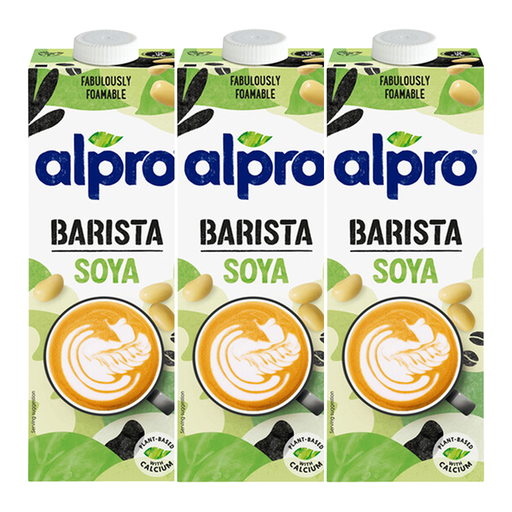 Image unavailable
Alpro Soya Barista, 3 × 1 L
This pack may suit you if you’re looking for larger cartons of soy drink and want to compare the portion served with the values on the label.
Pack size: three 1 L cartons. Barista doesn’t mean ‘no added sugars’; check the ingredients and the carbohydrate and sugar values for this version.
View on Joybuy
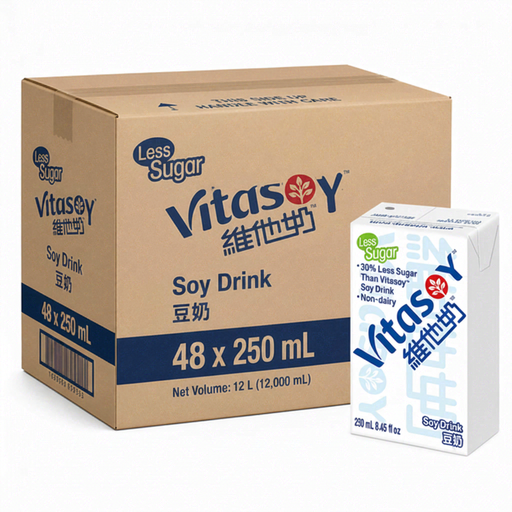 Image unavailable
Vitasoy Soy Drink Less Sugar, 48 × 250 ml
Individual cartons may be handy if you want to pack a drink to take with you; their size doesn’t determine how much to serve your child.
Pack size: 48 × 250 ml cartons. The name Less Sugar isn’t enough to compare it with another recipe. Check the carbohydrate and sugar values on the packaging: figures per 100 g can’t be compared directly with figures per 100 ml.
View on Joybuy
Frequently asked questions
Is a ‘smooth’ soy drink automatically suitable for a child with diabetes?
No. ‘Smooth’ describes a recipe, not its nutritional values. Compare the carbohydrate and sugar values for the exact product per 100 ml, then for the amount actually consumed, following French National Health Insurance guidance on reading food labels.
Can you replace a child’s usual drink with soy drink if they have diabetes?
Any change should be considered as part of their individual diet, especially if it affects how much carbohydrate they consume. French National Health Insurance says a doctor, paediatrician or diabetologist can support adjustments to a child’s diet and insulin doses.
Can soy drink replace milk for a baby?
No, it shouldn’t replace breast milk or infant formula. Anses warns that, from birth to one year, replacing these with a drink not specially designed for infants may pose risks.
What should you do if your child often eats soy foods?
Take account of all the soy drinks and foods they consume, and discuss this with the professional looking after them. Anses recommends not serving soy-based foods in institutional catering to avoid excessive isoflavone consumption; this recommendation doesn’t set a household portion size for each drink.


