Livraison le jour même ou le lendemain

Qualité garantie

Débloquez vos offres de bienvenue: Livraison GRATUITE | Jusqu'à -80 % | 30 jours d'essai gratuits à JoyPlus
Téléchargez l'application
A unique quiet settles in the kitchen as summer fades. The light changes, casting longer shadows, and with it, our appetites transform. Bright, zesty salads give way to a craving for deeper, more comforting dishes. It's a sensory transition that invites us to explore complex flavors—those that tell a story of time and patience. At the heart of this quest for depth lies a humble yet essential ingredient: soybean paste.
Far from a simple condiment, fermented soybean paste is a culinary pillar in many Asian cultures, an alphabet of flavors that allows for the creation of dishes with unparalleled richness. Its magic lies in an ancient process, fermentation, which transforms simple soybeans into a concentrate of umami—that famed fifth taste, deep and savory, that gives a dish its body and soul.
To understand the vast family of soybean pastes is to learn a new gustatory language. Each variation is a dialect, with its own grammar and nuances. In the West, the best-known is undoubtedly Japanese miso, a fermented paste made from soybeans, salt, and a culture called kōji. It comes in a spectrum of colors and intensities. White miso (shiro miso), fermented for a short period, is mild and almost sweet, ideal for light vinaigrettes or a delicate miso soup. In contrast, red miso (aka miso), with its longer fermentation, offers a powerful, salty, and complex taste that lends itself perfectly to marinades for meat or robust stews.
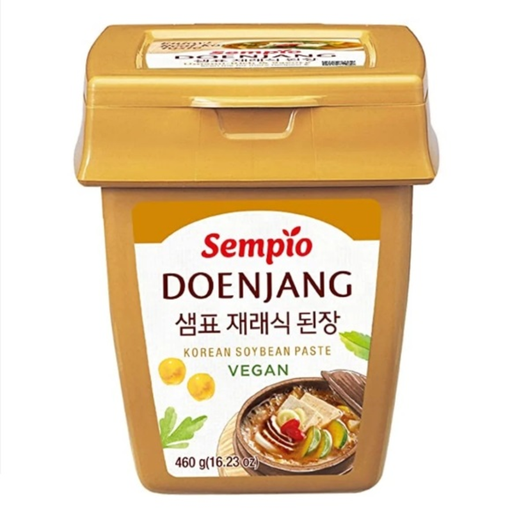
Korea is not to be outdone with its own interpretation, doenjang. This soybean paste, fermented only with brine, is distinguished by a more rustic, earthy, and intense profile than most misos. It is the cornerstone of many iconic stews (jjigae) and soups. For a more immediate experience, ssamjang is a ready-to-use condiment. It's a harmonious blend of doenjang, chili paste (gochujang), garlic, and sesame oil. It is the quintessential Korean barbecue sauce, the one you spread on a lettuce leaf before wrapping it around a piece of grilled meat.
Exploring this universe means opening yourself to a philosophy of cooking where flavor isn't just added, but cultivated. This ingredient embodies slowness and transformation—values that resonate deeply with our current desire for more conscious and thoughtful consumption.
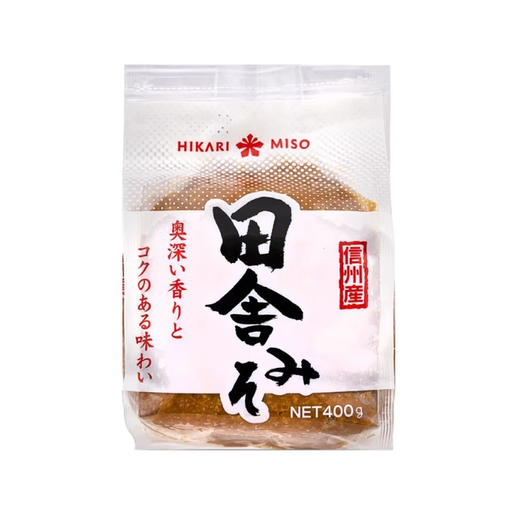
Building your own repertoire of soybean pastes is an exercise in personal curation. There's no need to own them all; rather, it's about choosing a few key references that will serve as a starting point for experimentation. A classic Chinese yellow soybean paste, like the Cong Ban Lv Soybean Paste 150?g, is an excellent, versatile base. Its balanced salty-sweet flavor makes it an ally for vegetable stir-fries, braised dishes, or simply as a dipping sauce for appetizers. For those new to miso, a mild and approachable version like the Hikari Shinshu Miso Paste 400?g is a wise choice. Its creamy texture dissolves easily and adds a subtle touch of umami without ever overpowering the other ingredients.
For evenings when time is short but the craving for a flavorful dish is strong, prepared bases are an elegant solution. An impromptu Japanese hot pot becomes effortlessly simple with a base like the Daisho Miso Kimchi Hot Pot Base 750?g, which combines the richness of miso with the heat of kimchi. Similarly, to recreate the Korean barbecue experience at home, a seasoned paste like the Sempio Ssamjang Seasoned Soybean Paste (Mild) 500?g is indispensable. It offers that perfect balance of flavors that transforms a simple grilled dish into a convivial and memorable meal.
Each jar of soybean paste is a promise of flavors to come, a patient ingredient waiting quietly in the refrigerator. It's a reminder that the simplest things, when shaped by time, can yield the most profound results. Integrating these condiments into our daily lives is to invite a bit of that wisdom into our kitchens.
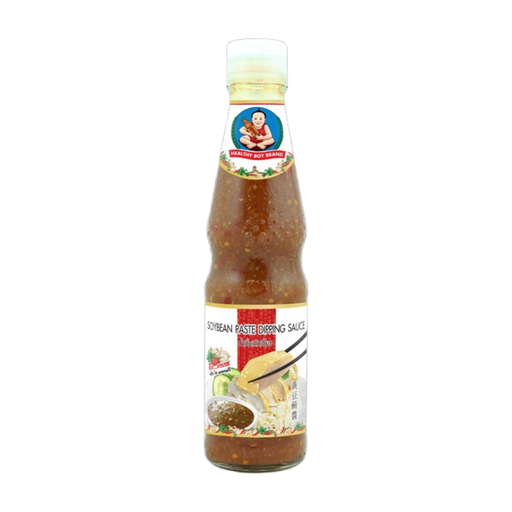
For those who wish to explore further, the complete selection of fermented soybean pastes from Thailand is a true source of inspiration.