
Livraison le jour même ou le lendemain

Qualité garantie

Débloquez vos offres de bienvenue: Livraison GRATUITE | Jusqu'à -80 % | 30 jours d'essai gratuits à JoyPlus
Téléchargez l'application
By our Joybuy product expert, July 28, 2026
Diving into the world of Asian condiments can quickly become overwhelming. On grocery store shelves, terms like soybean paste, miso paste, doenjang, and doubanjiang sit side-by-side, often causing confusion for home cooks. Yet, while they all share a base of fermented ingredients, their flavours, textures, and uses are radically different.
As a product recommendation expert at Joybuy, my mission is to shed some light on the subject. This article will demystify these essential condiments, explain their unique characteristics, and guide you toward the perfect choice for your recipes, whether you're preparing an authentic Japanese miso soup, a comforting Korean stew, or a fiery Sichuan dish.
Before we get to our top picks, here are a few criteria to help you make an informed choice.
The first question to ask yourself is: what type of cuisine are you aiming for? Each paste is an emblem of a specific culinary tradition:
Taste is the deciding factor. All are rich in umami (the famous fifth taste), but with significant nuances:
A quick look at the ingredient list will give you valuable clues. Miso will often contain rice or barley in addition to soybeans. A traditional doenjang, on the other hand, will only contain soybeans and salt. Doubanjiang is distinguished by the presence of broad beans and chili peppers. The texture also varies, from smooth and creamy for some misos to more coarse and rustic for doenjang.
To get you started, here are three products we've selected, each representative of its category and praised for its taste.
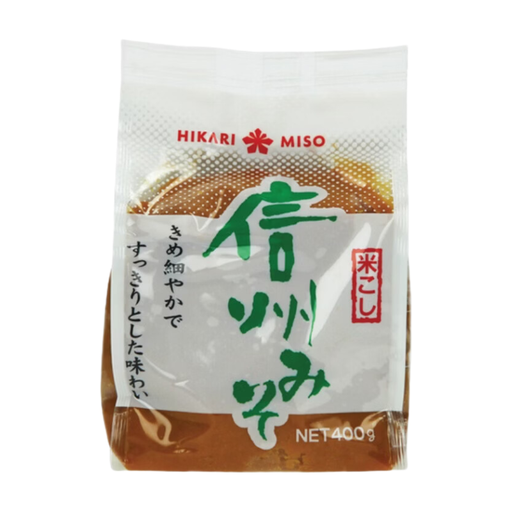
Why we love it?: This Shinshu-type miso (a designation from the Nagano region) is a yellow miso, halfway between white miso (mild) and red miso (more robust). Its flavour is perfectly balanced: a present umami kick, but without the sometimes overwhelming intensity of a long-aged miso. Its smooth texture makes it very easy to dissolve, a real bonus in the kitchen.
Pros?:
Best for?: For enthusiasts of Japanese cuisine who want to try their hand at miso soup, fish marinades (like the famous miso-glazed salmon), or flavourful dressings.
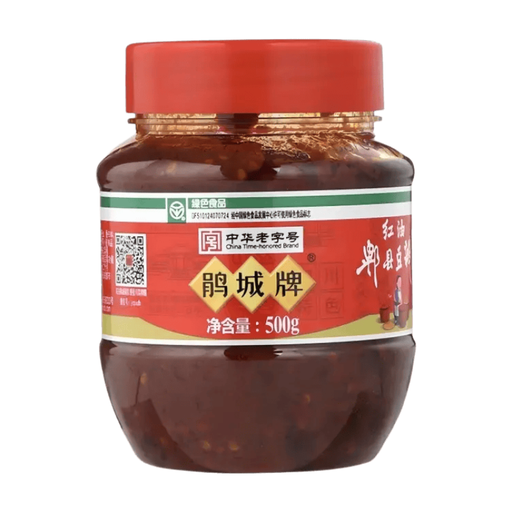
Why we love it?: An authentic doubanjiang from Pixian, a region so renowned for its broad bean paste that it's classified as an Intangible Cultural Heritage. Its bright red colour and intense aroma are the result of a long fermentation process and the addition of chili oil. This is a bold Asian condiment that plays on the salty-spicy duo.
Pros?:
Best for?: Essential for anyone wanting to tackle Sichuan classics: Mapo Tofu, twice-cooked pork (Hui Guo Rou), or Yu Xiang eggplant.
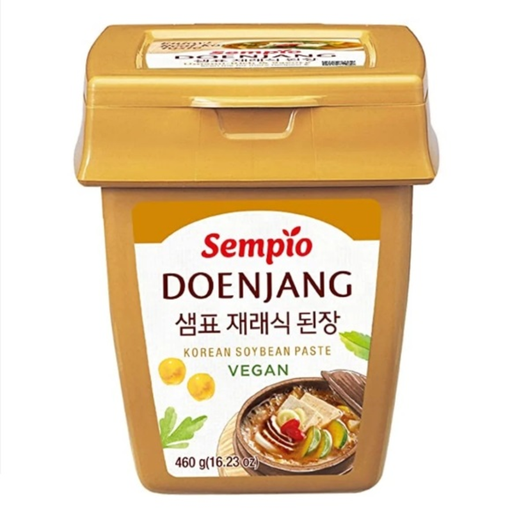
Why we love it?: Sempio is THE benchmark brand in Korea. This doenjang is made using traditional methods, giving it a deep, earthy flavour and an intense saltiness. Its taste, much more robust than miso's, makes it a bold ingredient and the true signature of many Korean dishes.
Pros?:
Best for?: For anyone exploring Korean gastronomy and wanting to prepare an authentic Doenjang Jjigae (soybean paste stew) or use it as a sauce base (ssamjang).
Our selection is an excellent starting point for exploring the fascinating world of soybean pastes. Want to discover other varieties—red, white, or barley miso—or other bean-based condiments? Our full catalogue is sure to satisfy your curiosity.
Discover our full range of soybean and bean pastes on Joybuy.fr
1. What is the main difference between miso and doenjang?? Although both are fermented soybean pastes, the main difference lies in their ingredients and flavour. Miso (Japan) is fermented with a fungus (kōji) grown on rice or barley, which gives it a milder, more nuanced flavour. Doenjang (Korea), on the other hand, is traditionally made only from soybeans and brine, resulting in a more raw, salty, and earthy taste.
2. Are soybean pastes suitable for vegetarian dishes?? Absolutely. They are an excellent ally for vegetarian and vegan cooking. Their rich umami content provides a depth of flavour that can rival that of a meat broth. It's a flavourful base for soups, stews, tofu marinades, or vegetable sauces. Just be sure to check the label: some misos may contain dashi (fish stock).
3. How should I store these pastes after opening?? Once opened, store the container in the refrigerator, tightly sealed in its original packaging or transferred to an airtight container. Their high salt content acts as a natural preservative, ensuring they last for several months or even longer. The cold helps preserve their colour and the freshness of their aromas.