After exercise, choose a soya drink based on what you want from your snack: a clearly stated protein content, a recipe where you can keep an eye on the sugars, or declared calcium and vitamin D. Compare the figures for the amount you’ll drink with the ingredients list. None of these features, on its own, makes a drink a complete recovery solution.
Who are these criteria useful for?
People looking for a higher-protein snack
If you want to know how much your drink contributes to the protein content of your post-exercise snack, check the amount stated per 100 ml and then for your portion. A standard soya drink won’t necessarily have the same protein content as one marketed as high in protein.
People keeping an eye on sugars
If you prefer an unsweetened recipe or want to limit the sugars in your drink, check the “of which sugars” line as well as the ingredients list. Check the protein separately if that’s also important to your choice.
People looking for a fortified drink
If calcium and vitamin D are among your criteria, check that they’re included and see the amounts stated for the specific product. Fortification is a separate consideration from protein content.
Which criteria should you prioritise?
Start with your main post-exercise need, then compare nutritional information on a like-for-like basis. Flavour and pack size can help you choose between two recipes, but they don’t tell you anything by themselves about their protein, sugar or fortification.
| Criterion |
What to check |
Who is this for? |
| Protein |
Compare the grams per 100 ml, then per portion consumed; check the ingredients too. |
For my post-exercise snack, I want to know how much protein my chosen drink actually provides. Around 36% of consumers make this their top priority. |
| Sugars and ingredients |
Check the “of which sugars” line and the ingredients list for the exact recipe. |
If I prefer an unsweetened drink, I don’t want to rely on the word “soya” alone to judge its ingredients. Around 29% of consumers prioritise limiting sugars or choosing a simple recipe. |
| Calcium and vitamin D |
Check that these nutrients are listed for the product you’ve chosen and look at the amounts stated. |
I’m mainly looking for a plant-based drink with clearly stated fortification, without confusing this with its protein content. This is a priority for around 21% of consumers. |
| Pack size and taste |
Check the portion sizes, flavour and corresponding nutritional information. |
After exercise, I prefer a pack that’s easy to take with me or a flavour I enjoy, while still keeping an eye on the recipe. Around 14% of consumers put convenience ahead of other criteria. |
The stated values show why it’s important to compare specific products: Bjorg lists 5.2 g of protein per 100 ml for its Boisson Protéines Soja, while Carrefour’s product listing for Alpro Protéinée Nature states 10 g per 200 ml portion. For a different priority, Sojasun states 120 mg of calcium per 100 ml for its fortified drink; this figure doesn’t apply to all its recipes.
Mistakes to avoid
-
Assuming all soya drinks contain the same amount of protein
Protein content depends on the recipe. The Bjorg and Sojasun product listings state 5.2 g per 100 ml for Bjorg Protéines Soja and 4.7 g per 100 ml for Sojasun Nature, respectively; Carrefour’s listing for Alpro Protéinée Nature gives 10 g per 200 ml.
Convert the figures to the same quantity, then work out how much protein is in your usual portion.
-
Choosing a flavour without checking the sugars
A chocolate flavour doesn’t tell you how much sugar a drink contains. Carrefour’s listing for Alpro Protéinée Chocolat includes sugar in its ingredients, while Bjorg states less than 0.5 g of sugars per 100 g for its Soja Sans Sucres drink.
Read the ingredients list and the “of which sugars” line, comparing equivalent quantities.
-
Assuming fortification means complete recovery
The presence of calcium and vitamin D tells you about a drink’s ingredients, not whether it can meet all your post-workout needs on its own. Anses also reminds us that we shouldn’t assume our usual diet is inadequate for sporting goals.
Consider fortification as one of several label criteria, in the context of your overall diet.
-
Forgetting about allergens and storage
Soya is an ingredient in these drinks, which is important for anyone with a soya allergy. Storage instructions may also vary by product and depend on whether the container has been opened.
Check the allergens listed on the packaging, along with the storage instructions for the product you buy.
Brands to know when comparing products
A brand may offer several recipes. The features below apply to the named products, not to all its soya drinks.
Alpro
Carrefour’s listings for Alpro Protéinée Nature and Protéinée Saveur Chocolat each state 10 g of protein per 200 ml portion.
- The amount per portion is stated for both products, making it easier to compare what you’ll consume.
- The chocolate version includes sugar in its ingredients list. Check the recipe rather than judging its composition by the word “protéinée” alone.
Bjorg
Bjorg offers a Boisson Protéines Soja and a Soja Sans Sucres drink, which cater to different label-reading priorities.
- Bjorg’s product listings state 5.2 g of protein per 100 ml for the first and less than 0.5 g of sugars per 100 g for the second.
- These figures relate to two different recipes; don’t assume they both apply to one drink.
Sojasun
Sojasun offers a Nature drink and a product fortified with calcium and vitamin D.
- According to Sojasun’s product listings, Nature contains 4.7 g of protein per 100 ml, while the fortified version contains 120 mg of calcium per 100 ml.
- The fortification and these amounts apply to their respective products; the ingredients list for the fortified version includes sugar.
Soy
Carrefour’s listing for Biosoy Nature describes it as a soya drink made with French organic soya from a non-GM supply chain.
- The listing specifies the origin of the soya and the positioning of this recipe.
- If you’re choosing a snack primarily for its protein, check the nutritional values for Biosoy Nature rather than trying to infer its protein content from the name.
Soya drinks available on Joybuy
These soya drinks come in a range of pack sizes and recipes for a post-exercise snack. Their inclusion here doesn’t rank them by their contribution to recovery. Choose based on the portion, ingredients and nutritional values of the variant you’re interested in.
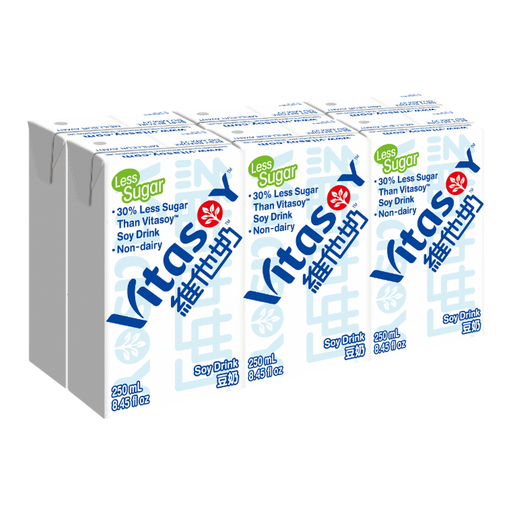 Image unavailable
Vitasoy Soya Bean Milk with Less Sugar, 6 × 250 ml
The individual cartons may suit you if you’d like to take a soya drink with you after exercise.
If sugar or protein content is guiding your choice, compare the nutritional values on the packaging. The name “Less Sugar” doesn’t tell you the exact amounts by itself.
View on Joybuy
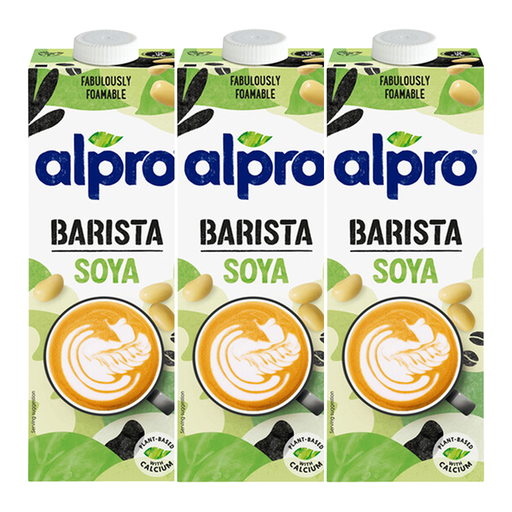 Image unavailable
Alpro Soya Barista, pack of 3 × 1 L
This multipack may suit you if you prefer to pour your soya drink into a glass at home rather than buy individual portions.
If you’re choosing this variant based on its protein, sugars or fortification, check its own nutritional information. Don’t rely on the figures for Alpro Protéinée drinks.
View on Joybuy
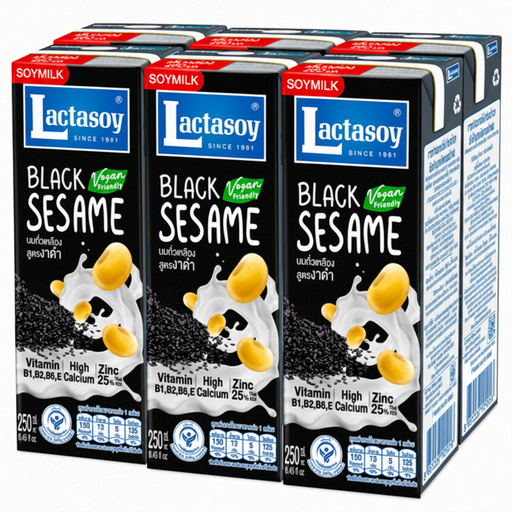 Image unavailable
Lactasoy Soy Milk with Black Sesame, 6 × 250 ml
This black sesame soya drink comes in individual cartons and may appeal if you prefer a take-away portion and this flavour.
Check the nutritional information for the sugar and protein content per 250 ml carton, as well as the allergens if relevant to you.
View on Joybuy
Frequently asked questions
Is a high-protein soya drink enough for recovery after exercise?
No. It can add protein to a snack, but it can’t meet all your post-exercise needs on its own. Anses reminds us that protein is part of your everyday diet and cautions against assuming that your usual diet is always inadequate for sporting goals.
How do you choose between an unsweetened, high-protein and fortified drink?
Choose according to your main criterion: sugars and ingredients for an unsweetened recipe, grams of protein per portion for a high-protein version, or stated calcium and vitamin D for a fortified option. Then compare the figures for the exact product, as recipes from the same brand can differ.
What should you read on the label before buying a soya drink?
Check the ingredients, allergens and nutritional information for the drink you’ve chosen, particularly the protein and sugar content for the portion you plan to have. The European Commission states that the ingredients list, identification of ingredients that cause allergies or intolerances, and nutrition declaration are among the mandatory details for relevant prepacked foods in the European Union.


