Parents who prepare portions at home
You portion out the drink before your child leaves for school. The carton size, storage instructions after opening and number of portions you’ll actually use matter more than simply choosing the largest size.


For a lunchbox prepared at home, first check your child’s dietary restrictions and the school’s guidance. Then consider how much your household can use after opening: a large carton isn’t automatically the most practical choice. Soya is an allergen in its own right; for meals served by institutional caterers, Anses recommends not serving soya-based foods to limit exposure to isoflavones.
You portion out the drink before your child leaves for school. The carton size, storage instructions after opening and number of portions you’ll actually use matter more than simply choosing the largest size.
The ingredients and your child’s specific restrictions come before choosing a recipe. As Assurance Maladie points out, an individual healthcare plan (PAI) can set out the dietary restrictions that apply at school.
You compare recipes and how often you’ll use them, while keeping a family lunchbox separate from a meal served by an institutional caterer. This distinction matters in light of Anses’s recommendation on soya-based foods served in institutional settings.
When choosing a soya drink for a school lunchbox, check dietary restrictions and the school’s guidance before comparing recipes and pack sizes. “4 pint” doesn’t mean exactly 2 L: four imperial pints is about 2.27 L.
| What to consider | What to check | Who is this relevant to? |
|---|---|---|
| Allergens and school rules | Check the ingredients and allergens for the exact product. If there’s a PAI in place, confirm the restrictions with the school. | If my child has a dietary restriction, I need to know whether this drink can go in their lunchbox before choosing a pack size. Around 33% of consumers would put this compatibility first. |
| Soya in meals | Distinguish a family lunchbox from a meal served by an institutional caterer, which is the context covered by Anses’s recommendation on soya-based foods. | If soya is already part of several meals, I want to consider the school setting rather than choose this drink out of habit. This would be a priority for around 27% of consumers. |
| Pack size and storage | Compare the pack size with the portions you’ll use and the stated shelf life after opening. A 2 L soya cooking ingredient isn’t a ready-to-drink beverage. | If I’m filling containers at home, I want a carton my household can finish within the time stated on the packaging. Volume and portion planning would come first for around 20% of consumers. |
| Recipe and nutritional values | Compare the ingredients and nutritional information, particularly sugars and protein per 100 ml. Check the calcium content of the product you choose if that matters to you. | When choosing between an original, flavoured or enriched recipe, I want to compare the labels on the specific cartons. Around 20% of consumers would make the recipe their top priority. |
The 2 L carton listed by Carrefour is an Alnatura soya cooking ingredient, not an original soya drink to pour into a lunchbox. Pack size alone isn’t enough to compare products.
Check the product description, ingredients and intended use before choosing a pack size.
Soya is an allergen. If your child has an allergy, a recipe being dairy-free doesn’t, by itself, mean the drink is suitable for them.
Read the label for the exact product and follow the dietary restrictions set for your child and shared with the school.
Anses recommends not serving soya-based foods in institutional catering to limit exposure to isoflavones. This recommendation doesn’t, on its own, cover every lunchbox prepared at home.
Check who provides the meal and confirm the school’s guidance before packing a soya drink.
The Auchan Bio and Sojasun product listings we checked say to refrigerate the drink after opening and consume it within five days. This applies to those products; always follow the label on the carton you buy.
Estimate how many portions your household will use within the stated time, then choose a pack size to suit.
These products give you some recipes and pack sizes to compare; their features don’t apply to every product from the same brand.
The brand offers several soya drink recipes, including original, flavoured and protein options listed by Carrefour.
The retailer lists Carrefour Sensation soya drinks in 1 L cartons, alongside products from other brands.
The Bio Village product listed is an organic original soya drink with no added sugars, in a 1 L carton.
The Auchan Bio original soya drink listed is available in a 1 L carton.
These drinks offer two ways to prepare a portion: use a small carton or portion out a 1 L carton at home. Before packing one for school, check for the soya allergen, your child’s specific restrictions and the school’s guidance.
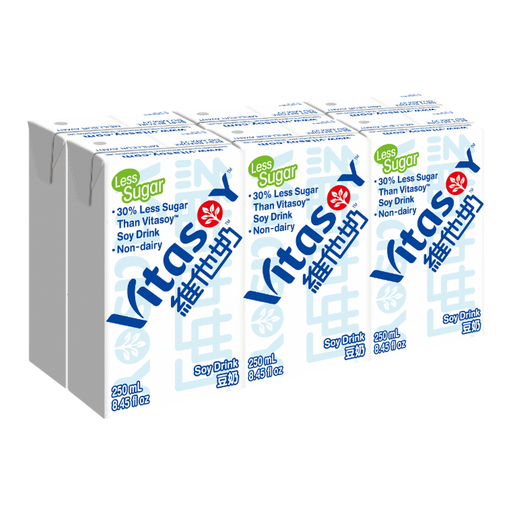 Image unavailable
The six 250 ml cartons make it easy to pack separate portions. The product listing declares soya as an allergen. If protein content matters to you, check the value on the carton label. Also follow the storage instructions after opening.
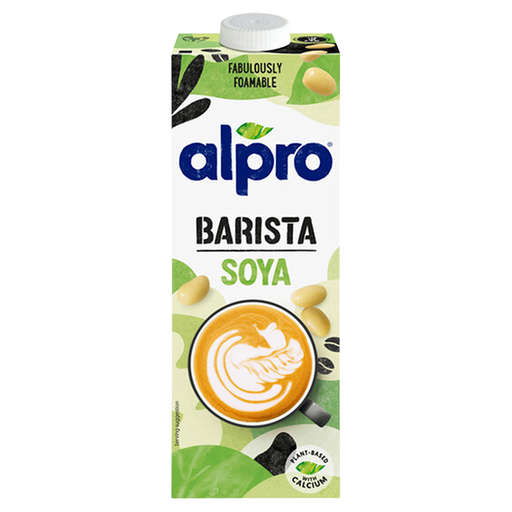 Image unavailable
This 1 L carton can be used to prepare portions at home; it isn’t an individual lunchbox carton. The product listing states that it contains 3 g of protein and 2.5 g of sugars per 100 ml, with added calcium. Soya is listed as an allergen; check the packaging for how long it keeps after opening.
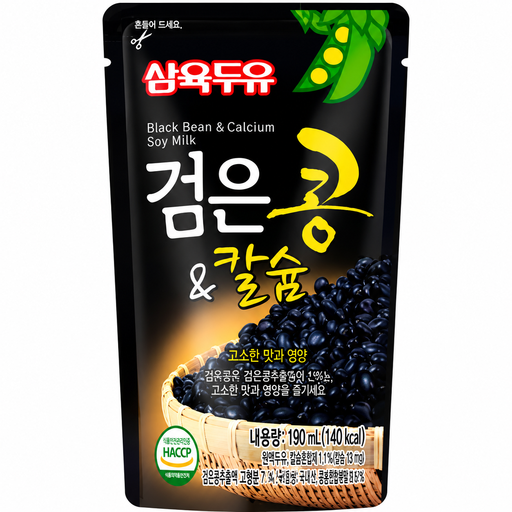 Image unavailable
The 190 ml size is a single portion of soya drink. The product listing mentions added calcium and declares soya as an allergen. If the pack size or calcium content affects your choice, check the number of cartons and nutritional information on the packaging.
No. Recipes vary, and the Bio Village and Sojasun original products listed state that they contain soya juice. However, the category name doesn’t guarantee that another product is milk-free or free from traces. Check its ingredients and allergen information.
Anses’s recommendation not to serve soya-based foods applies to institutional catering and doesn’t explicitly cover every lunchbox prepared at home. Check the school’s guidance and, if your child has a PAI, the dietary restrictions it sets out.
Follow the storage time and temperature stated on the carton you buy. For the products listed, Auchan Bio and Sojasun say to refrigerate the drink and consume it within five days of opening; Auchan Bio specifies a maximum of +6 °C.
Not necessarily: the right size depends on how much your household can use within the stated storage time after opening. The ready-to-drink products listed are mainly available in 1 L cartons; the 2 L product listed by Carrefour is a soya cooking ingredient, not a drink for a lunchbox.