People avoiding lactose, but not soya
A soya drink may suit you for drinking or cooking if soya is suitable for you. ‘Lactose-free’ doesn’t mean ‘allergen-free’, so read the ingredients list.


If you need to avoid soya, a soya drink isn’t suitable, even if it’s labelled ‘lactose-free’. If soya is suitable for you, choose a recipe based on the ingredients and nutritional information that matter to you. Then check that the pack size and storage instructions after opening suit your individual meals.
A soya drink may suit you for drinking or cooking if soya is suitable for you. ‘Lactose-free’ doesn’t mean ‘allergen-free’, so read the ingredients list.
If you open a carton to use across several meals for one, compare its size with how quickly you’ll use it, and follow the storage instructions after opening.
A short ingredients list, a ‘no added sugars’ claim, organic certification or the origin of the soya may help guide your choice. Check these details on each product rather than assuming they apply to an entire brand.
For an individual meal, start with the allergens you need to avoid. Then compare the recipe and pack size with how you plan to use it, as a claim on the front of the pack won’t answer all your questions.
| Criteria | What to check | Who it matters to |
|---|---|---|
| Allergens and claims | Soya as an allergen in the ingredients, and the exact meaning of each claim, particularly ‘lactose-free’. | If I’m looking for a lactose-free drink, I first need to check whether soya is suitable for me; around 31% of consumers may put this compatibility at the top of their list of criteria. |
| Storage after opening | The carton size and the storage instructions for that particular product. | When I’m cooking for one, I want to be able to finish a carton within the stated time after opening. This could be a priority for around 25% of consumers. |
| Recipe and sugars | The ingredients list, whether it says ‘no added sugars’, and the ‘sugars’ line per 100 ml. | For my recipes, I look for a product whose ingredients and declared sugar content meet my criteria; around 25% of consumers may prioritise the ingredients. |
| Organic and origin | Whether it has organic certification and the stated origin of the soya, which may differ from where it was made. | If the origin of the soya or organic certification determines my choice, I look for this information on the specific product; around 19% of consumers may prioritise these criteria. |
A soya drink is still unsuitable for anyone who needs to avoid soya. On its own, the claim ‘lactose-free’ says nothing about other allergens.
Before buying, check the ingredients list and allergen information for the product you’ve chosen.
A product labelled ‘no added sugars’ may still contain sugars, as shown in its nutritional information. For example, the Bio Village product page lists 0.7 g of sugars per 100 ml for the relevant plain soya drink.
Check the ‘sugars’ line per 100 ml as well as the claim and ingredients list.
The product pages for the relevant Sojasun and Auchan Bio drinks say to refrigerate after opening and consume within five days. Make sure this fits the amount you’ll actually use.
Check the instructions on your carton and plan your drinks or recipes within the stated time.
Carrefour France’s product page for an unsweetened Alpro soya drink describes a recipe with added calcium and vitamins.
A plain product listed by Carrefour France declares soya juice as its ingredient.
Carrefour France lists a 1 L carton of plain organic soya drink.
E.Leclerc lists a 1 L plain organic soya drink labelled ‘no added sugars’.
Auchan France lists a 1 L plain organic soya drink made with soya stated to be from France.
These products come in either a small individual carton or multipacks of separately packed cartons for one person’s meals and drinks. Compare the variant, number of portions and packaging information against your criteria.
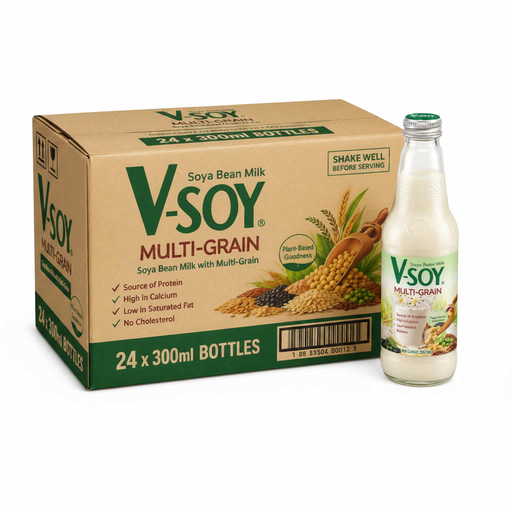 Image unavailable
This multipack of 300 ml cartons may suit you if you’re planning several individual portions. If you need to avoid certain grains, check the ingredients and allergen information on the packaging, and follow the instructions after opening.
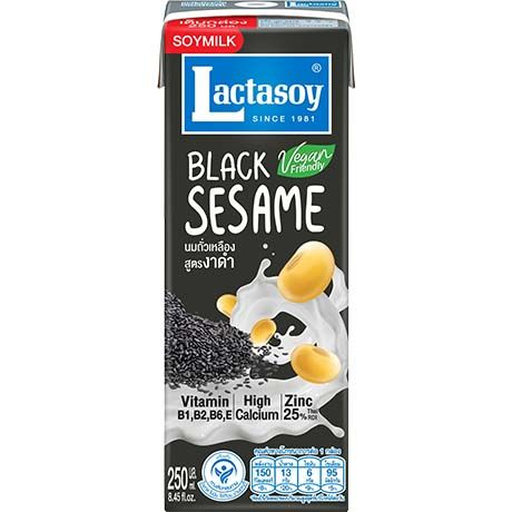 Image unavailable
The 250 ml carton is a single portion. This variant contains soya and black sesame, so check the ingredients and allergen information if you need to avoid either, as well as the sugar information if it matters to your choice.
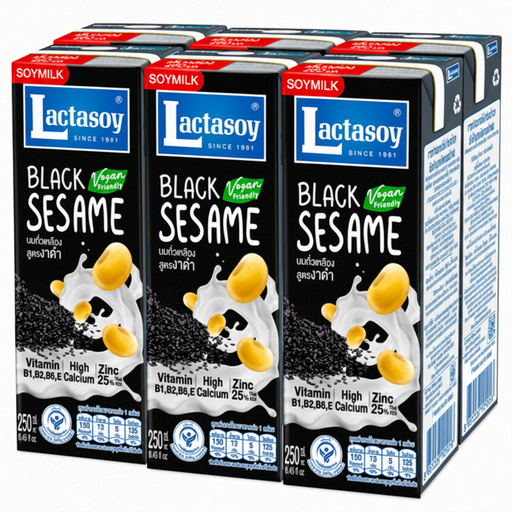 Image unavailable
The six 250 ml cartons let you spread portions across several meals. This variant combines soya and black sesame; read the allergen information and follow the instructions after opening each carton.
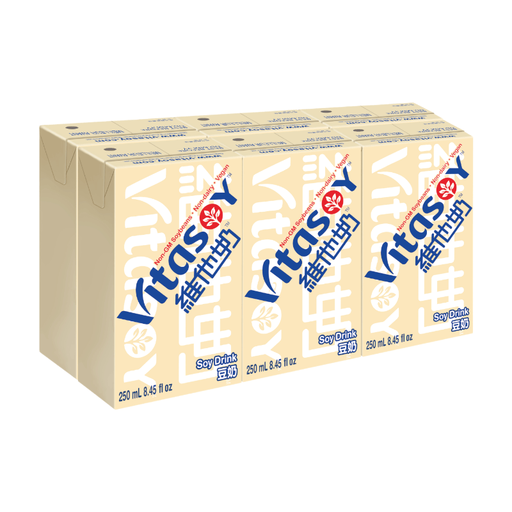 Image unavailable
This pack of six 250 ml cartons is handy for separate portions. If sugar content is part of your decision, compare the nutritional information on the packaging and follow the instructions after opening.
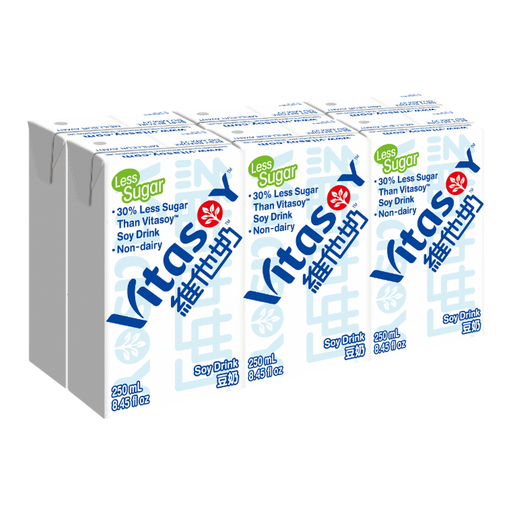 Image unavailable
The six 250 ml cartons are convenient for individual portions. If the ‘with Less Sugar’ variant catches your eye, check the ingredients list and the ‘sugars’ line per 100 ml: its name doesn’t mean ‘no added sugars’. Also check the instructions after opening.
No. ‘Lactose-free’ doesn’t mean ‘soya-free’: a soya drink isn’t suitable if you need to avoid soya. Read the ingredients list and allergen information for each product.
No. Sugars may still appear in the nutritional information. For example, E.Leclerc’s product page for the Bio Village plain soya drink with this claim lists 0.7 g of sugars per 100 ml. Compare this figure across the products you’re considering.
Choose a size you can use within the time stated in the instructions after opening for the product you buy. The product pages for the relevant Sojasun and Auchan Bio drinks say to refrigerate after opening and consume within five days; this timeframe doesn’t automatically apply to other drinks.
No. Don’t use a standard soya drink instead of infant formula without appropriate advice. E.Leclerc’s product page for the Bio Village drink states that it isn’t suitable as a replacement for breast milk or infant formula for babies under one year old.